- J.D. Power’s 2026 China NPS survey shows NIO and AITO tied for top luxury NEV reputation at 48.7, reflecting rising owner satisfaction with NEV products versus ICE peers.
- The study surveyed 69,162 owners across 59 brands and reports NEV Product NPS up to 49.2 while overall NEV NPS reached 42.7, narrowing the NEV–ICE gap considerably.
- Competitive strain will hit sales and service execution as rival NEV products converge, with risks around after‑sales capacity, service NPS declines, and maintaining delivery responsiveness.
J.D. Power on Sept. 17 released its 2026 China Automotive Brand Reputation Index NPS℠, marking the second consecutive year the market research firm has published the study in China.
The study covers 59 automotive brands with sufficient sample sizes across the internal-combustion engine and new-energy vehicle markets, based on feedback from 69,162 vehicle owners.
It evaluates brand reputation across three dimensions — Product NPS, Sales NPS and Service NPS — weighted at 63%, 18.5% and 18.5%, respectively.
Among the 59 brands, only five achieved a balanced performance across products, sales and service, while 92% showed varying degrees of imbalance among the three dimensions.

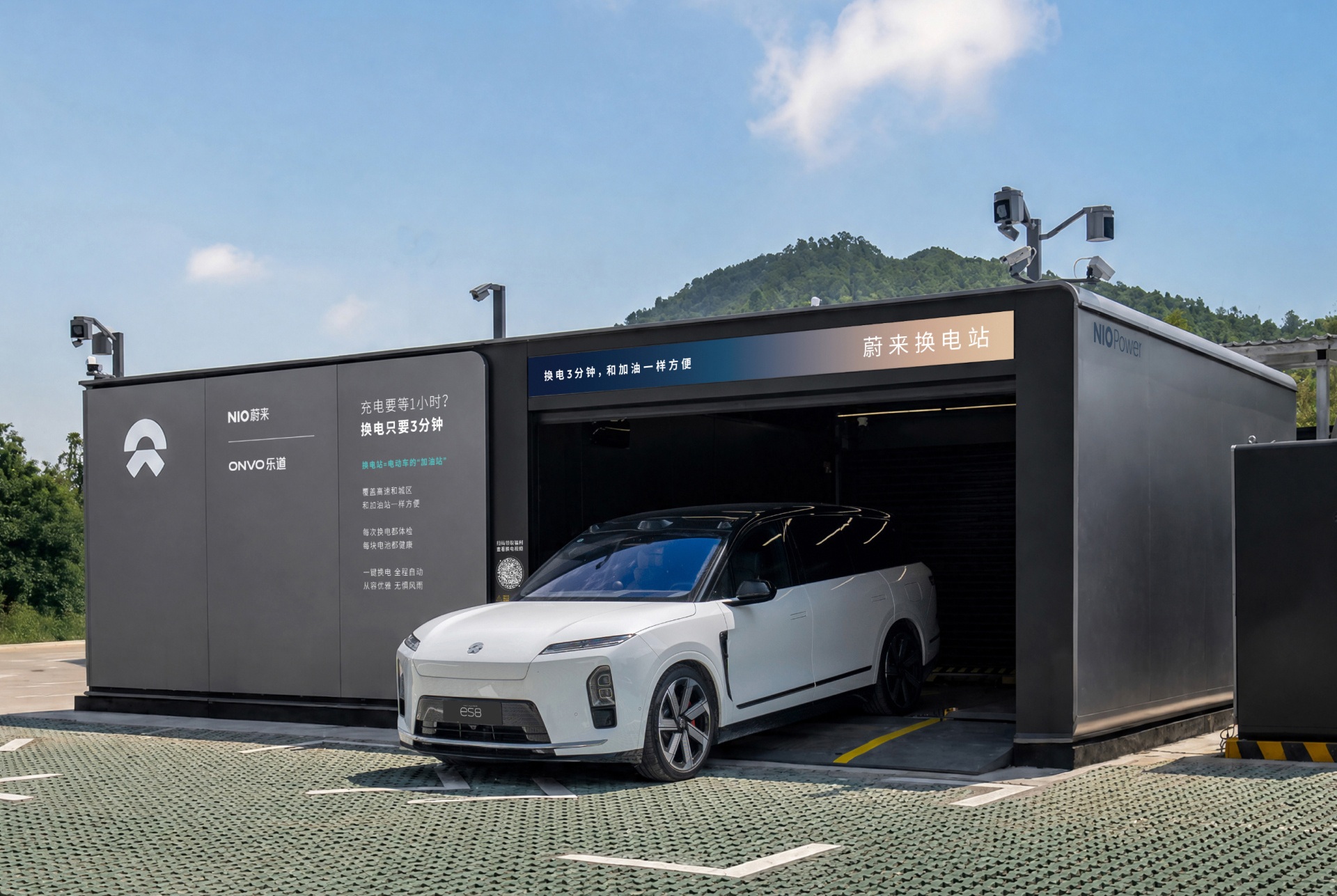
Among luxury NEV brands, the average NPS was 45.7, with NIO and AITO tying for first place at 48.7.
Mainstream NEV brands posted an average score of 42.4. Xiaomi ranked first at 51.5, followed by Deepal and Zeekr at 48.3 and 48.1, respectively.
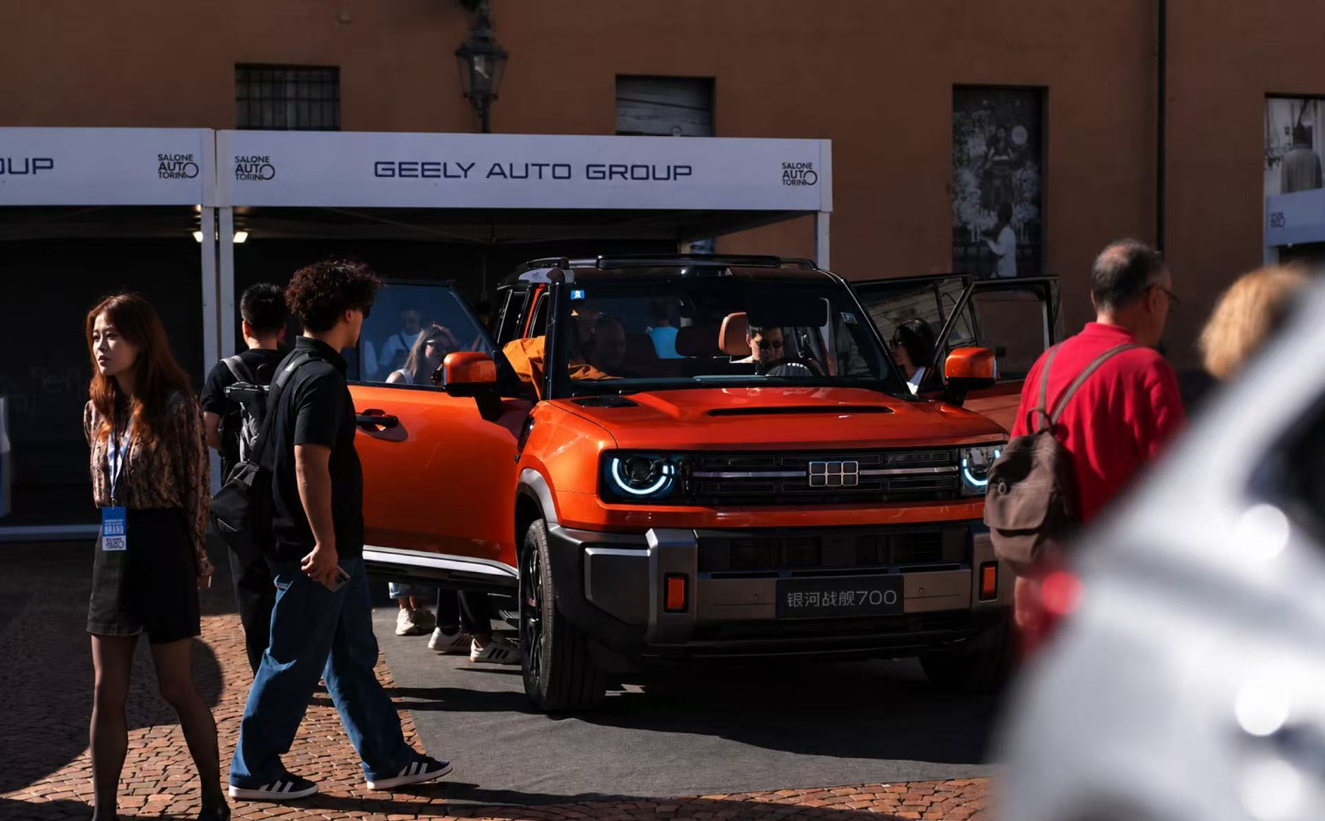
In the ICE segment, Porsche and Geely ranked first among luxury and mainstream brands, with scores of 57.3 and 46.6, respectively.
Beyond the brand rankings, a more notable shift was the narrowing gap in reputation between NEVs and ICE vehicles. The overall NPS for NEVs rose to 42.7 in 2026 from 40.4 in 2025.
The NPS for ICE vehicles, meanwhile, fell from 47.5 to 44.3. As a result, the gap between the two narrowed from 7.1 points to 1.6 points, a 78% reduction in one year.
Product reputation was the main driver of the shift. NEV Product NPS increased by 9.5 points to 49.2, just 0.6 points below the 49.8 recorded by ICE vehicles.

In 2025, the product NPS gap between NEVs and ICE vehicles was still 9.1 points.
The share of NEV owners classified as detractors also fell from 6.2% to 3.7%, while the figure for ICE vehicles rose from 1.1% to 3.2%.
The data suggest that the product differentiation previously built by NEVs around electrification and intelligent features is increasingly translating into more stable owner sentiment.
The improvement in product reputation, however, has not carried over to the service side.
J.D. Power data show that NEV Service NPS fell by 14.9 points year on year, while the share of detractors rose to 15.0%.
ICE Service NPS also declined, with the service NPS gap between NEVs and ICE vehicles widening from 3.9 points to 8.2 points.

The divergence helps explain the current state of China’s NEV market.
Competition at the product level is becoming increasingly similar across automakers, while differences in sales and after-sales experiences remain significant.
This is particularly relevant as NEV models are updated more rapidly and incorporate increasingly complex intelligent features, changing customer expectations around vehicle delivery, repairs, software and after-sales response.
Ann Xie, general manager of J.D. Power China’s Automotive Service Solutions division, said the market currently shows a clear “misalignment between product performance and business effectiveness.”
He said NEVs are building a cycle in which reputation and market share reinforce each other, while ICE vehicles face a disconnect between their relatively high market share and reputation performance.
Discover more from ChinaEVHome
Subscribe to get the latest posts sent to your email.