- Zeekr publicly rejected plans for battery-swapping passenger models, signaling a strategic choice to maintain its premium SUV positioning rather than emulate NIO-Geely integration.
- Zeekr highlights its 900V architecture and top-three full-size SUV sales for the Zeekr 9X, while the article notes NIO's network scale: 4,155 swap stations and RMB 404K average transaction price (about $60.3K).
- Direct rivals include NIO ES8/ES9 and potential Geely-linked premium lines, but execution risks hinge on costly platform redesign, fleet vs consumer integration, and margin pressure from swapping infrastructure.
Zeekr recently said in an official Q&A that it currently has no plans to develop battery-swapping models.
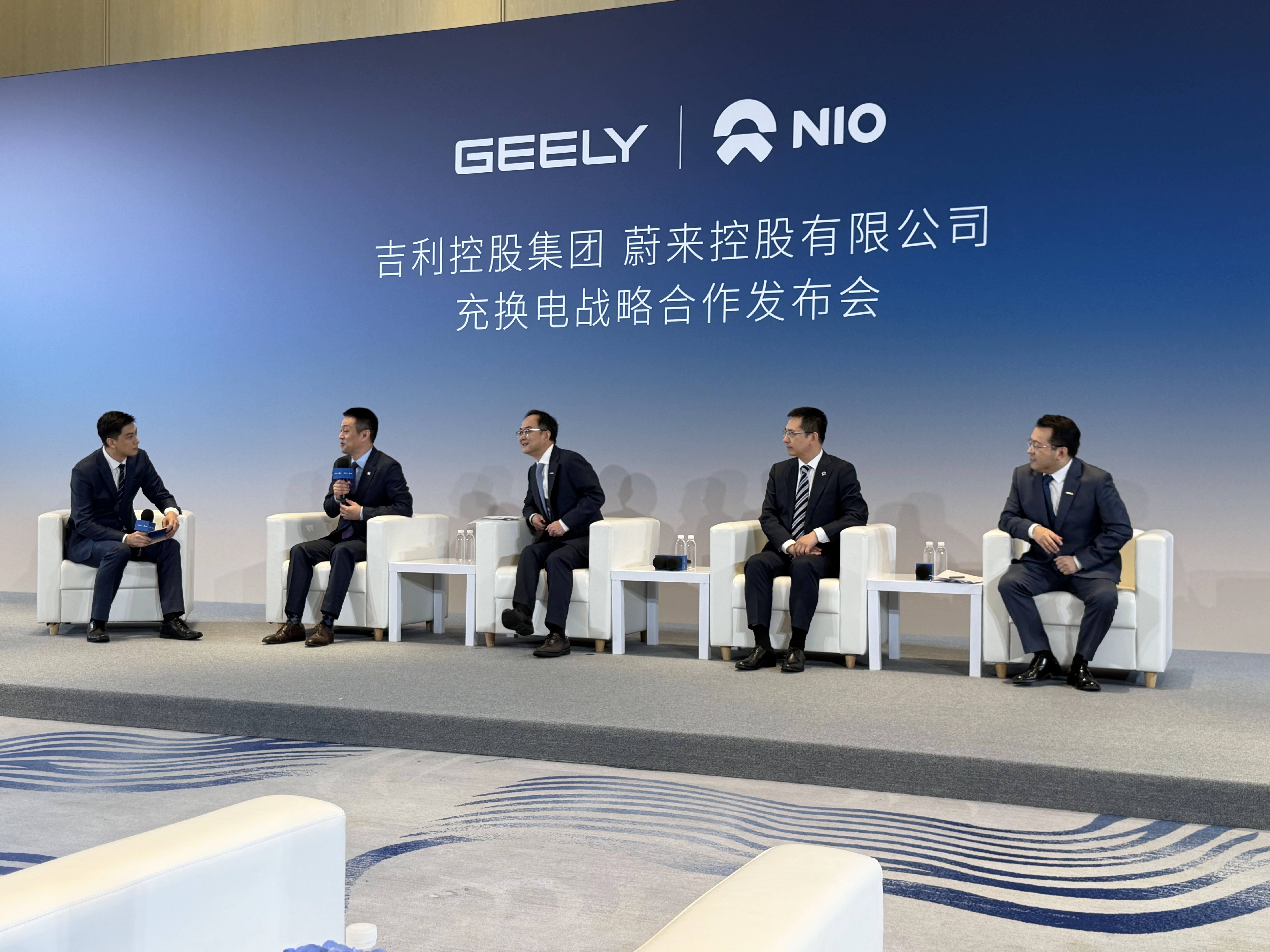
The statement comes after NIO and Geely Holding announced a comprehensive strategic partnership in charging and battery swapping on September 28.

Under the agreement, Geely will acquire a 30% stake in NIO Power by contributing 100% of its E-Energee business plus RMB 640M ($95.5M) in cash. NIO, meanwhile, will acquire a 10% stake in Geely’s Haohan Energy. The two companies will also fully connect their charging networks.
The partnership naturally raised questions about whether Zeekr, another Geely brand, would follow with a battery-swapping model. Zeekr’s latest response suggests otherwise, potentially reflecting its positioning in the premium SUV market.
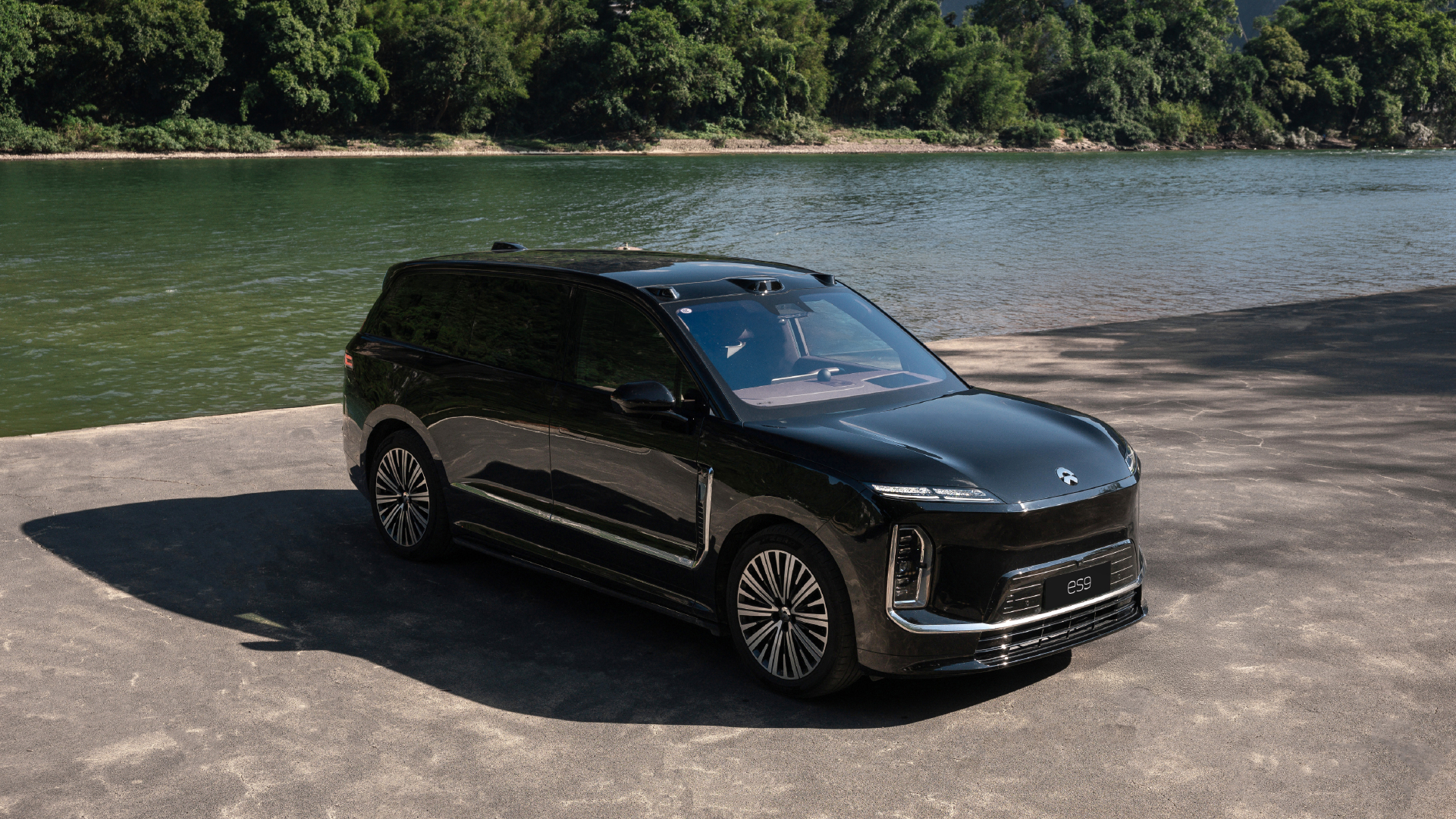
The Zeekr 9X has ranked among China’s top three full-size SUVs in sales. But adding battery swapping may not give it a clear edge against models such as the NIO ES8 and ES9 in the premium SUV segment.
With Zeekr already using a 900V high-voltage architecture, further improving its ultra-fast charging capabilities may make more sense. Rather than redesigning the chassis, battery pack and production system to accommodate battery swapping, Zeekr could focus on high-voltage fast charging to improve the overall charging experience.

Notably, the Geely-NIO partnership covers not only consumer-facing charging and battery-swapping services, but also a major focus on commercial fleets.
Under the agreement, Geely’s battery-swapping operator E-Energee will be integrated into NIO Power, with a focus on commercial vehicles operated by companies such as CaoCao and Robotaxi services.
NIO Power will divide its network into consumer and commercial operations. The consumer side will continue serving NIO owners and future Geely consumer battery-swapping models, while the commercial side will serve fleet operators. William Li emphasized at the partnership launch that the two user groups would not affect each other.
Which Geely brand will eventually launch the company’s first battery-swapping passenger car? There is no official answer yet. Based on brand positioning, Geely Galaxy and Lynk & Co may not be the most natural fits for NIO’s battery-swapping ecosystem.

NIO’s average transaction price in China is around RMB 404K ($60.3K), and its battery-swapping network has long catered to premium customers. NIO may also be reluctant to extend the system to lower-priced brands.
Lotus, by comparison, could be worth watching.
Lotus and NIO entered a strategic partnership on charging and battery swapping as early as 2024. The two companies said at the time that they would cooperate on battery standards, swapping technology, battery asset management, as well as the development and customization of battery-swapping models.
If Geely eventually launches a premium passenger car that fully integrates with NIO’s battery-swapping network, Lotus could therefore be a potential candidate. For now, however, this remains speculation based on the companies’ previous cooperation, rather than an officially confirmed plan.

As of September 30, NIO had 4,155 battery-swapping stations, 5,337 charging stations and 30,780 charging piles across China. Its network had completed more than 120M battery swaps.
Discover more from ChinaEVHome
Subscribe to get the latest posts sent to your email.