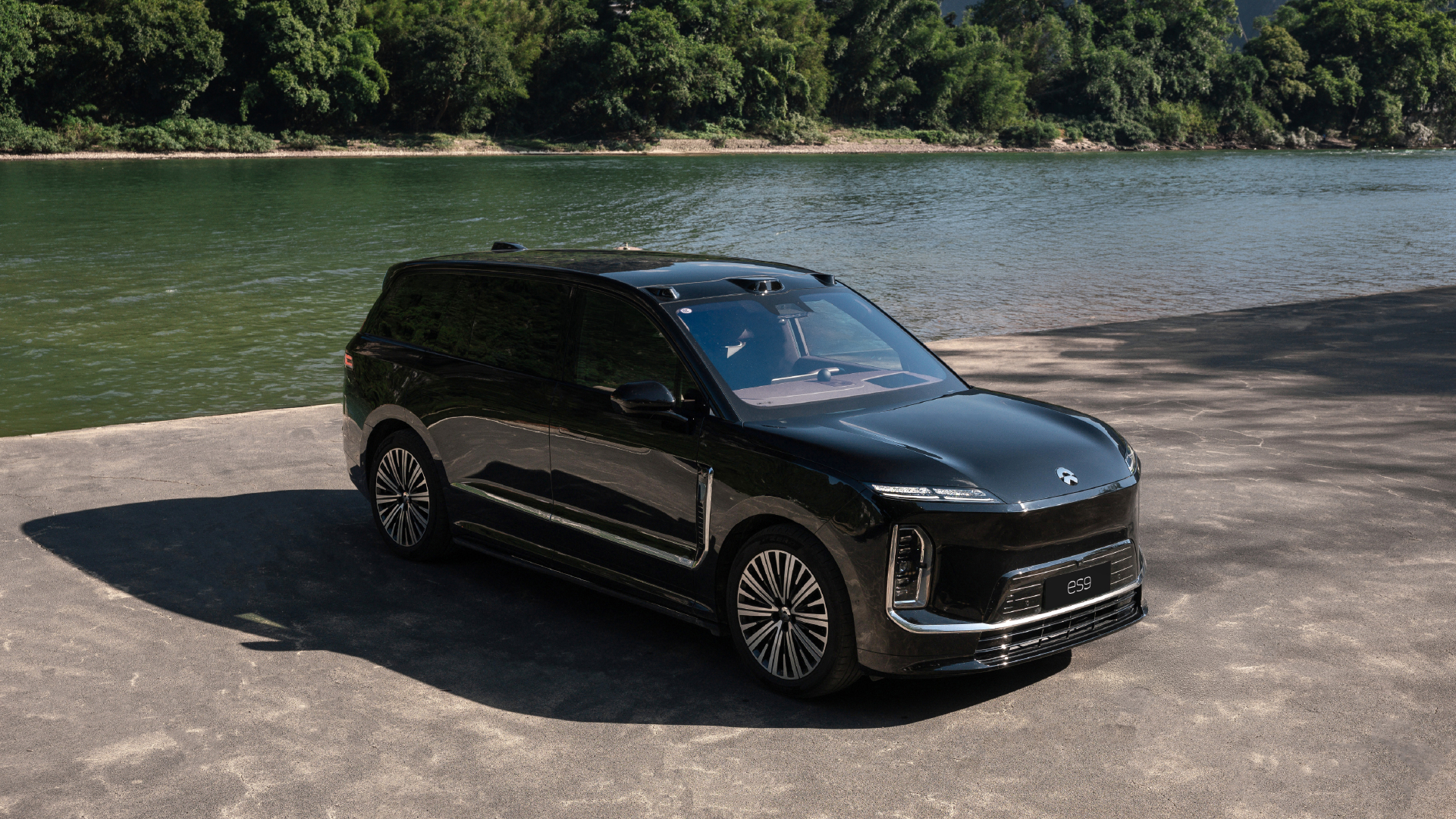
- NIO’s ES9 hit 30,000 deliveries in 119 days, reflecting aggressive volume ramp driven by capturing premium SUV demand and expanding beyond existing NIO owners into new buyer pools.
- ES9 is an all-electric large SUV priced above RMB 500K ($74.6K), reaching 10k, 20k, and 30k delivery milestones in roughly 30, 43, and 46 days respectively, with dealer wait times of three to four months.
- The ES9 directly targets premium large SUVs from Zeekr and others, but risks include sustaining fresh order flow after backlog, intensifying segment competition, and execution of swap-station scale-up.
NIO delivered its 30,000th ES9 on Sept. 23, just 119 days after deliveries began on May 28.
The pace has held up well across each 10,000-unit milestone. ES9 took about 30 days to reach its first 10,000 deliveries, followed by 43 days for the next 10,000 and 46 days for the third.

That is meaningful volume for an all-electric SUV priced above RMB 500K ($74.6K).
ES9 was China’s best-selling all-electric vehicle priced above RMB 500K ($74.6K) for a third consecutive month in August. The new ES8, meanwhile, remained the country’s top-selling large SUV as well as the best-selling model in the RMB 400K+ ($59.7K+) segment, according to CPCA data.
Our previous breakdown of NIO’s sales mix also shows that the two flagship SUVs have become key volume drivers for the NIO brand.

The more important question now is whether fresh orders can keep coming in.
NIO management said during its second-quarter earnings call that wait times for the ES9 Horizon and Executive Signature editions remained at three to four months, while new orders increased in August from July. More than 75% of ES9 buyers were new to NIO.
That suggests ES9 is drawing a meaningful share of demand from outside NIO’s existing owner base, rather than relying mainly on current customers moving up within the brand.
Management also said ES8 and ES9 were maintaining relatively steady sales in the premium market, with gross margins above 20% for both models. As NIO works to improve profitability, the two flagship SUVs are increasingly important not only for volume, but also for its overall product mix.

William Li also highlighted battery swapping when discussing ES9’s appeal.
For large electric SUVs priced above RMB 500K ($74.6K), charging convenience becomes particularly important on longer trips. NIO is continuing to expand its swap network as it looks to preserve that advantage.
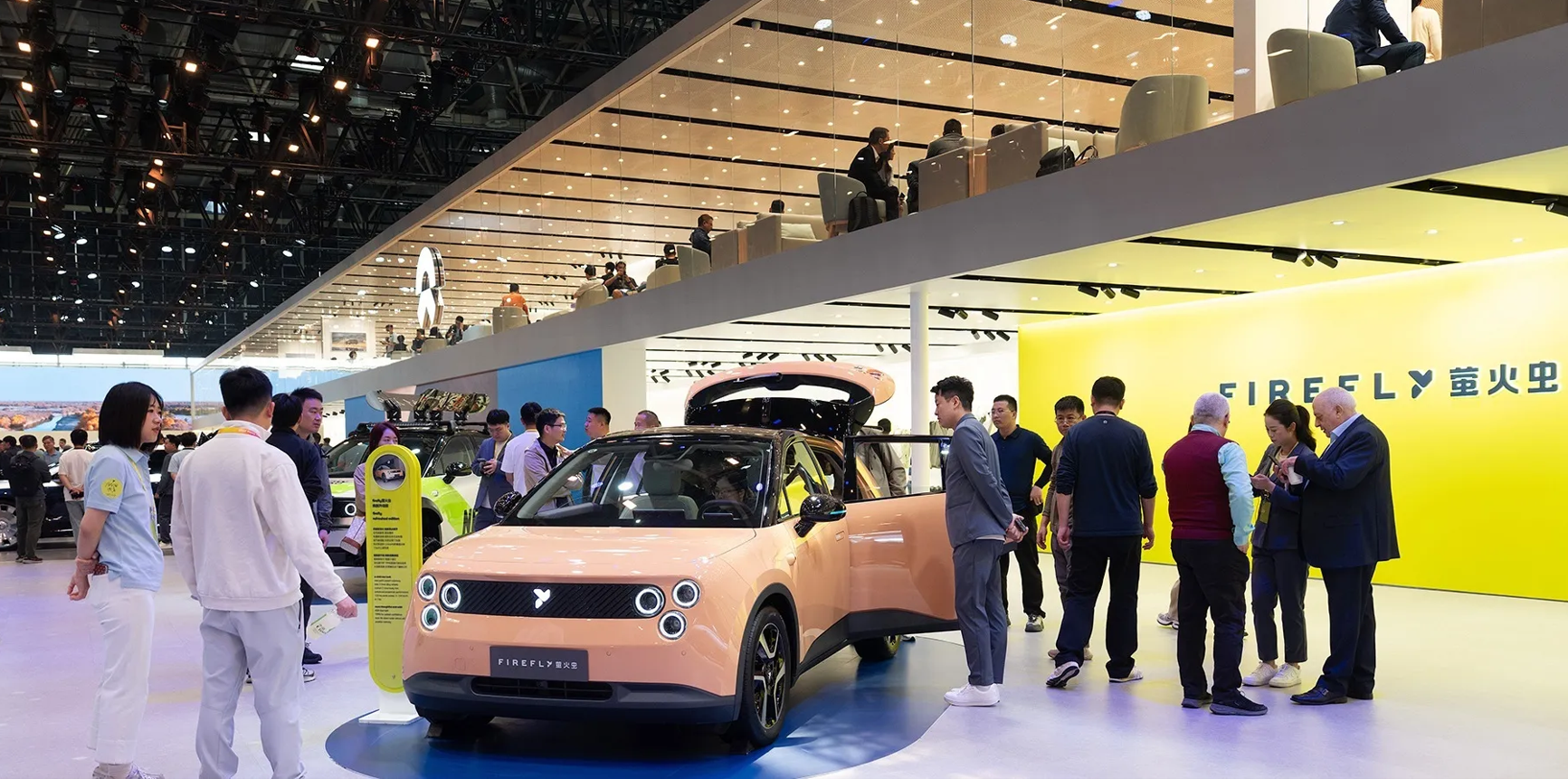
Its fifth-generation battery swap stations entered service in August and can serve vehicles across all three of its brands: NIO, ONVO and firefly.
NIO said during its second-quarter earnings call that the base cost of a fifth-generation station had fallen to about RMB 1.4M ($209K), roughly RMB 100K ($14.9K) less than the fourth generation. Overall operating efficiency across its swap network was also up about 50% from a year earlier.

On Sept. 20, Li told users that production capacity for the fifth-generation stations was ramping up. NIO plans to deploy several hundred this year, with at least 1,000 targeted for 2027.
Competition will only get tougher after the 30,000-unit milestone. More premium large SUVs are entering the market, while Zeekr is preparing an even more upscale Glory Edition of the 9X. The RMB 500K+ ($74.6K+) segment is set to become increasingly crowded.
Once the initial order backlog is worked through, the next test will be whether ES9 can keep attracting fresh demand. NIO’s rollout of fifth-generation swap stations will matter too, particularly as rivals continue to close the gap in range, charging speed and equipment.
Discover more from ChinaEVHome
Subscribe to get the latest posts sent to your email.