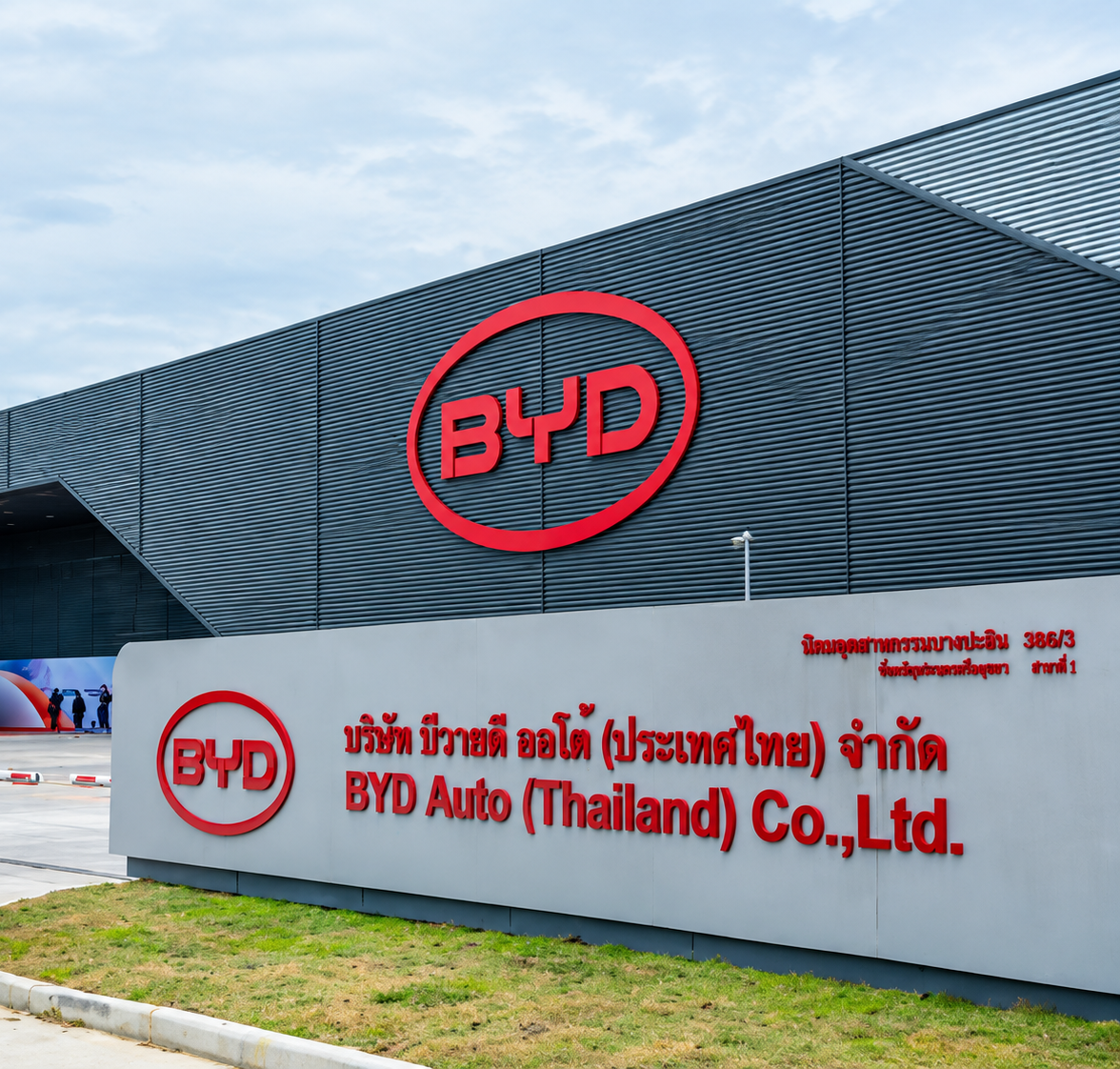
- BYD marked 100,000 NEVs produced at its Rayong, Thailand plant, underscoring expanded local manufacturing to relieve domestic price pressure and capture regional market share.
- The Rayong plant began operations July 2024, has planned annual capacity of 150K vehicles, THB 35B investment (about $5.2B), and 95% Thai workforce with ~50% local procurement.
- Targets regional rivals in Southeast Asian EV and ICE conversion segments, but risks include scaling to 150K capacity, supply‑chain localization, and meeting raised 2026 overseas sales targets.
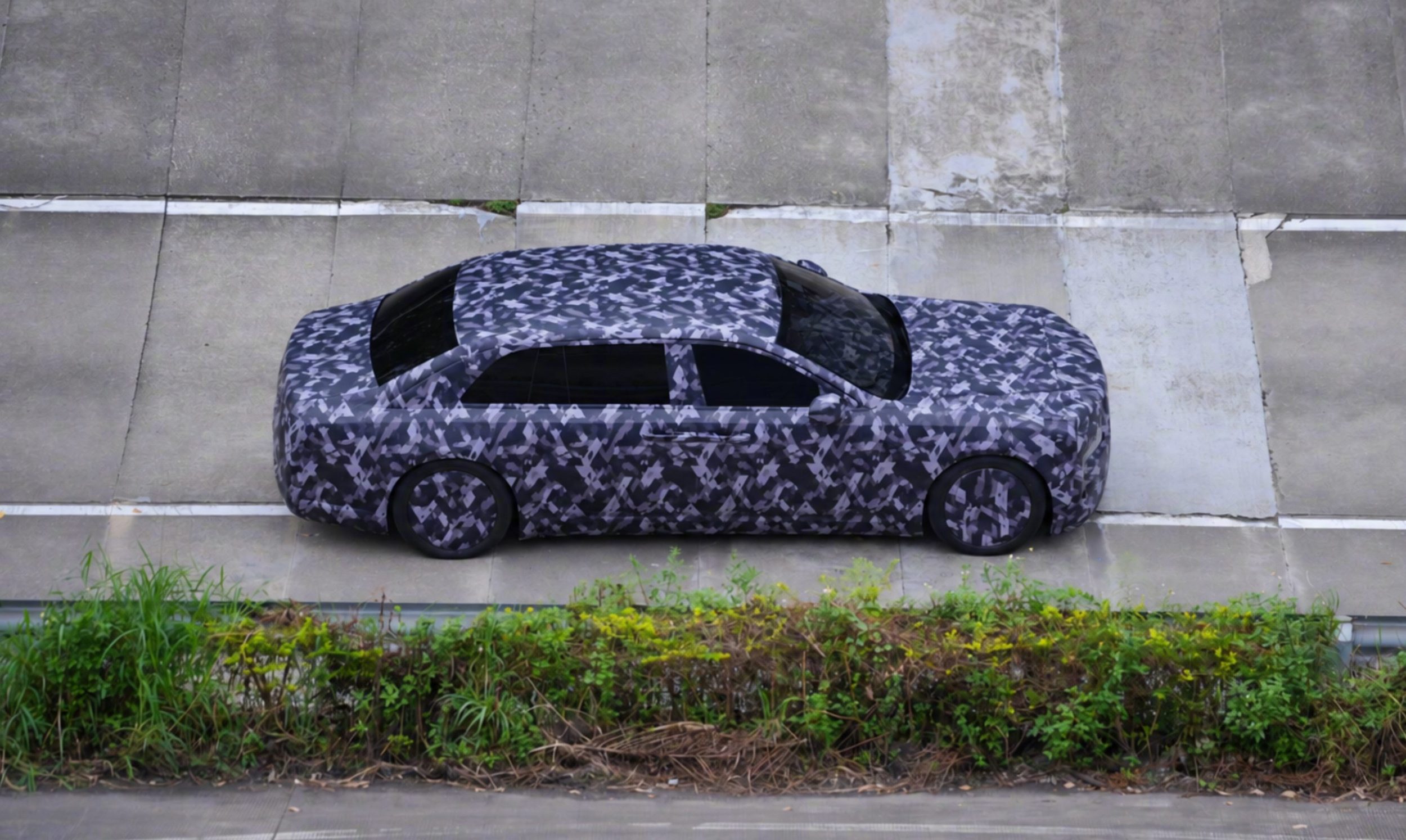
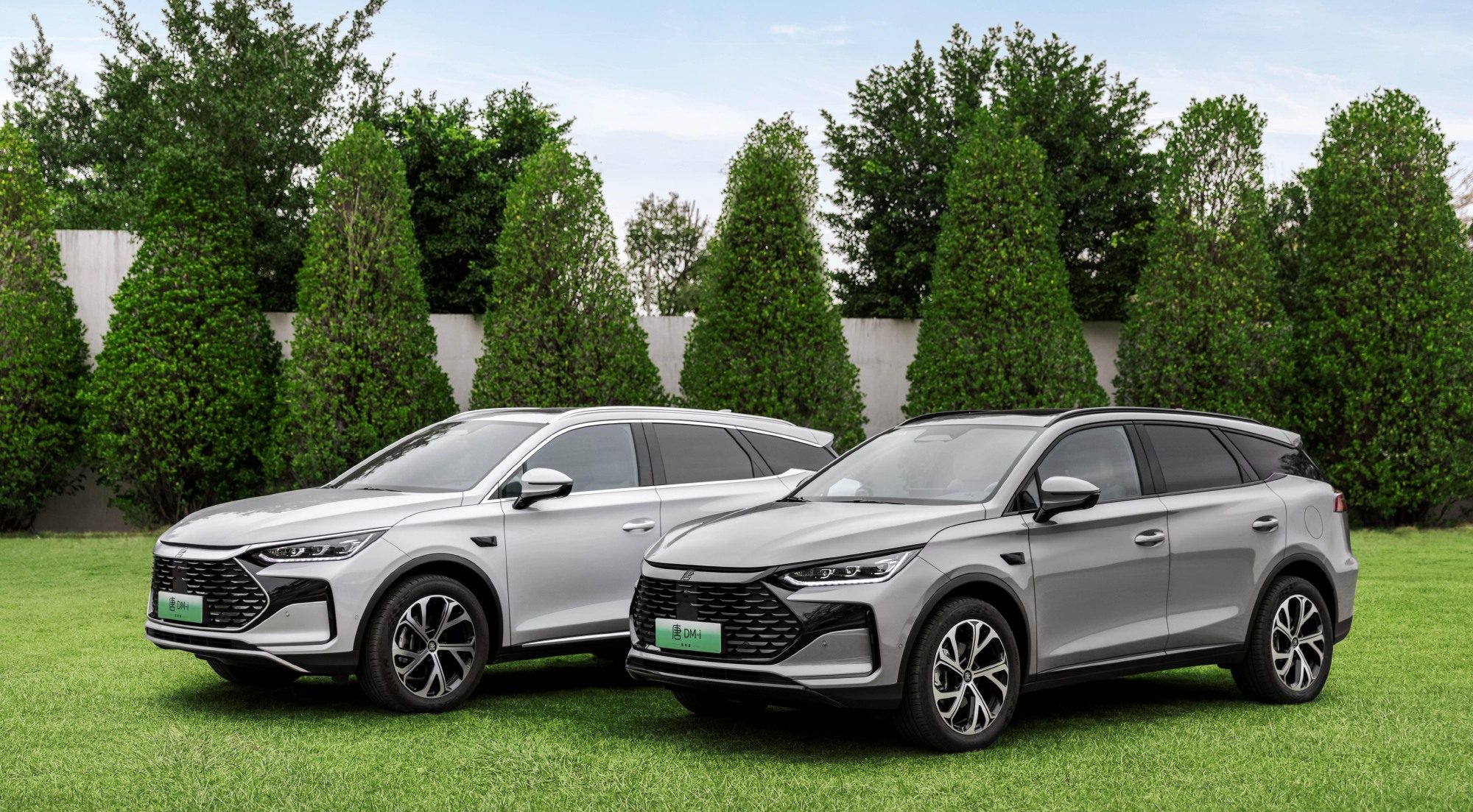
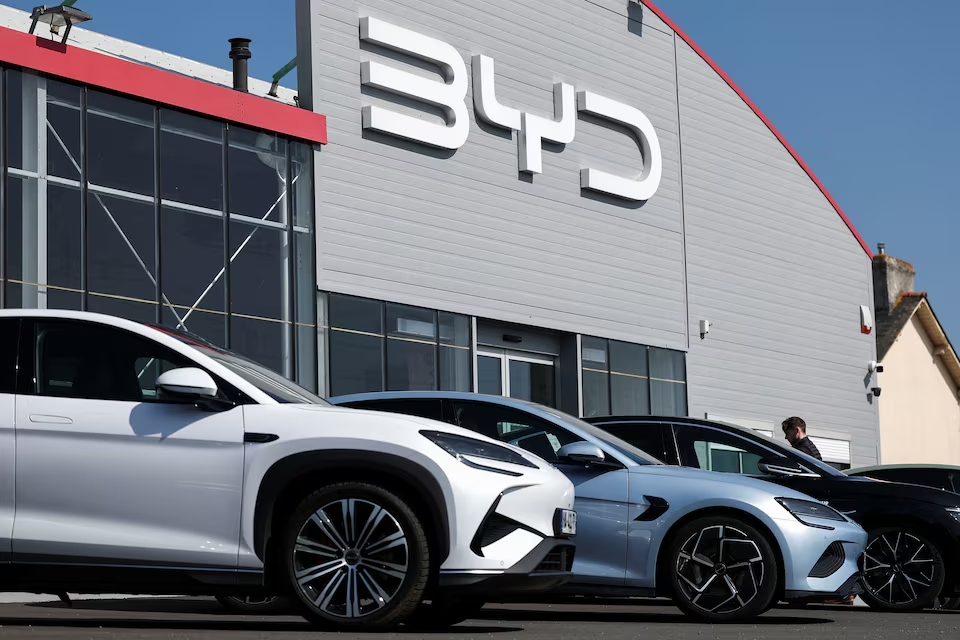
BYD’s Rayong plant in Thailand has produced its 100,000th new energy vehicle (NEV), marking another milestone in the automaker’s overseas manufacturing expansion.
The milestone vehicle was a BYD ATTO 3, the first BYD model launched in Thailand. The SUV has witnessed the company’s journey in the country, from entering the Thai market and establishing its sales network to developing localized production capabilities.

BYD said the rollout of its 100,000th NEV marks a new phase in its localization efforts in Thailand.
Currently, 95% of employees at BYD Thailand’s plant are Thai nationals, while local procurement accounts for around 50% of total sourcing. Five BYD models have already received “Made in Thailand” certification. As production capacity continues to ramp up, the company is further expanding local talent development, supply chain integration and the broader NEV ecosystem.
Located in Rayong Province, Thailand, the Rayong plant officially started operations in July 2024. It is BYD’s first passenger NEV production facility in Southeast Asia. The company previously announced an investment of around THB 35B ($5.2B) to develop the plant, which has a planned annual capacity of 150K vehicles.

Earlier this July, BYD’s Camaçari plant in Brazil also rolled out its 100,000th NEV.
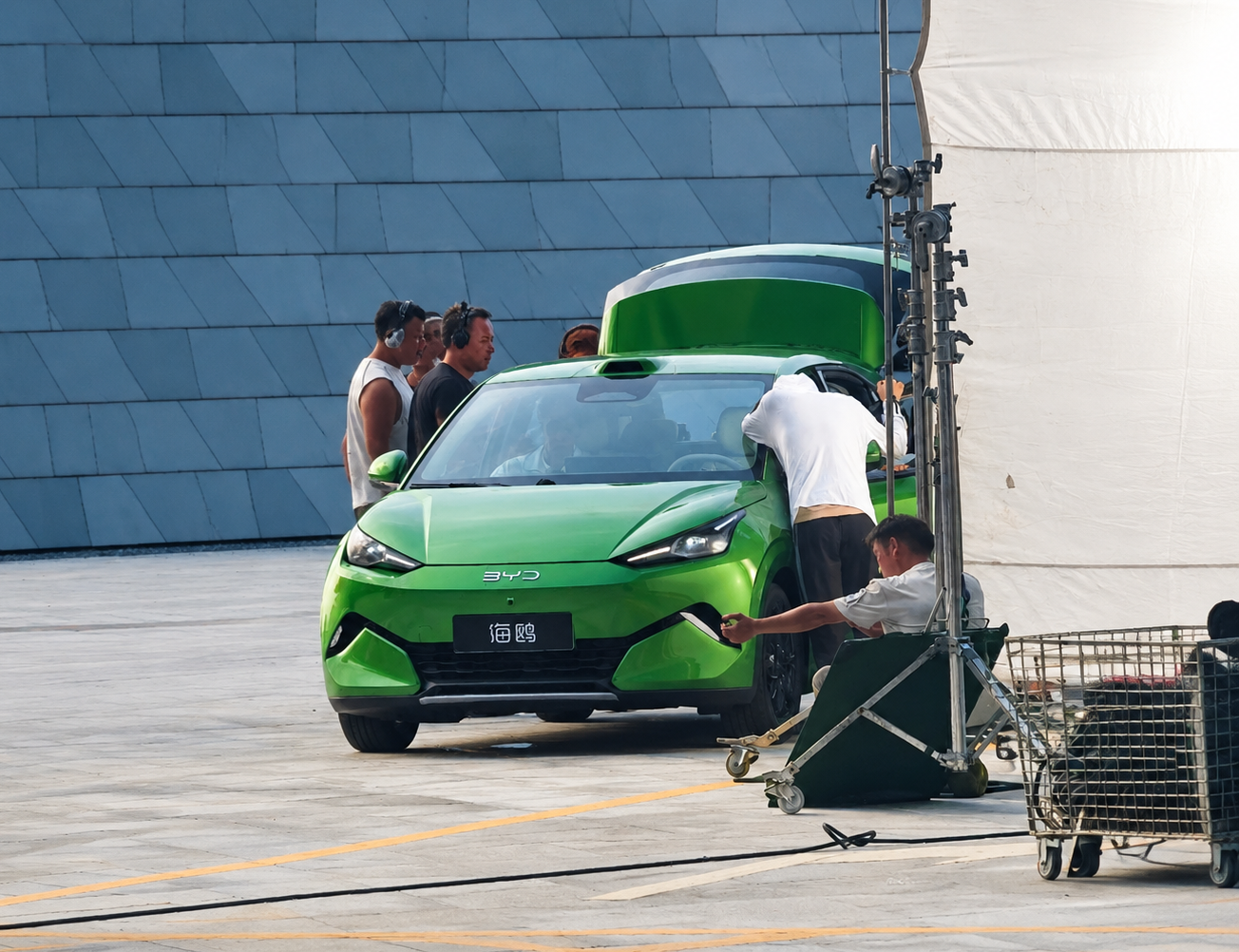
The milestone vehicle was the BYD Dolphin Mini, the first mass-produced model from the Camaçari facility. At the same time, the Brazilian plant’s workforce surpassed 5.5K employees, marking another step forward in BYD’s localized manufacturing strategy in South America.
For BYD, the consecutive production milestones at its Thailand and Brazil plants highlight the rapid expansion of its global manufacturing network.
In Europe, BYD’s first passenger vehicle plant has already been established in Hungary and entered production. The company is also evaluating locations for a second European vehicle factory, with plans to eventually operate three vehicle plants and one battery factory across the region.
Beyond Europe, BYD continues to expand its overseas manufacturing footprint. On Sept. 3, the company officially opened its Subang plant in West Java, Indonesia, which has a planned annual capacity of 150K vehicles.

BYD has accelerated its global expansion this year as competition intensifies in China’s NEV market. In the first half of 2026, the company’s overseas sales reached around 790K vehicles, up 68% YoY, with operations spanning more than 120 countries and regions.
During the same period, BYD’s overseas revenue reached RMB 181.268B ($27.0B), surpassing its China-market revenue of RMB 163.547B ($24.4B) for the first time. Overseas operations accounted for 52.57% of the company’s total revenue.

Driven by rapid growth in overseas sales and revenue, BYD has raised its 2026 overseas sales target from 1.5M vehicles to 1.9M-2.0M vehicles.
Discover more from ChinaEVHome
Subscribe to get the latest posts sent to your email.