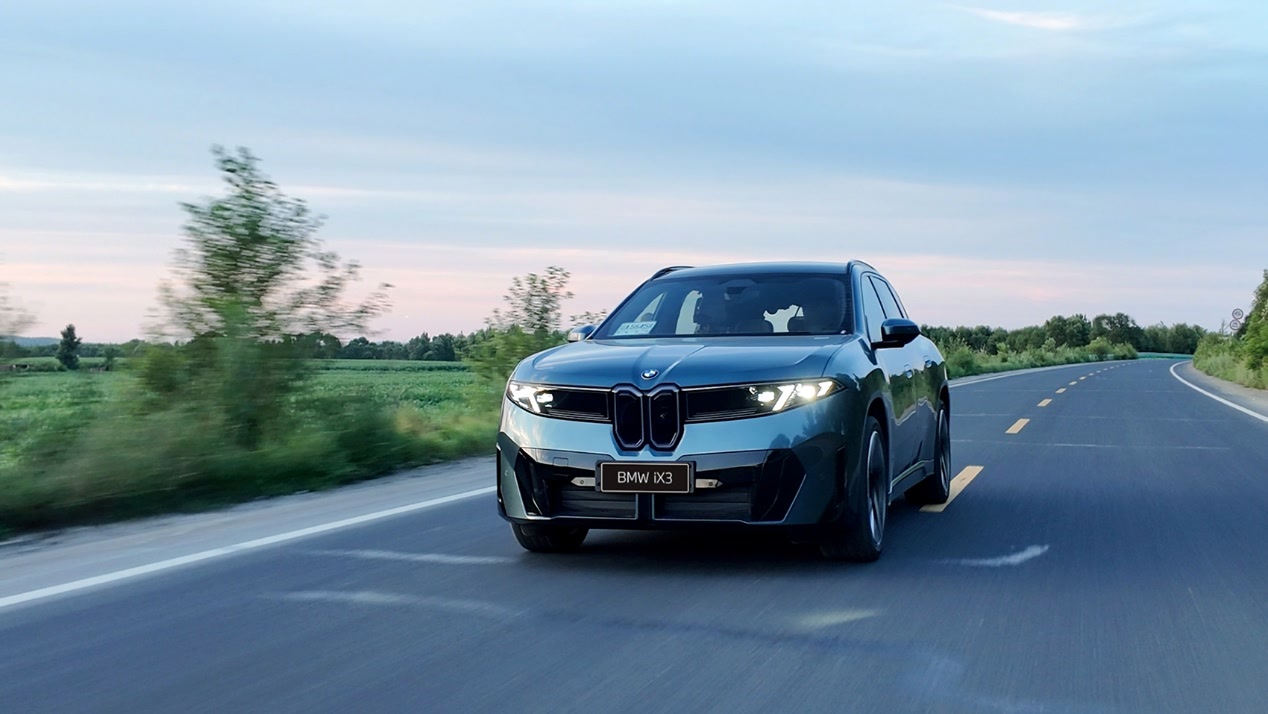
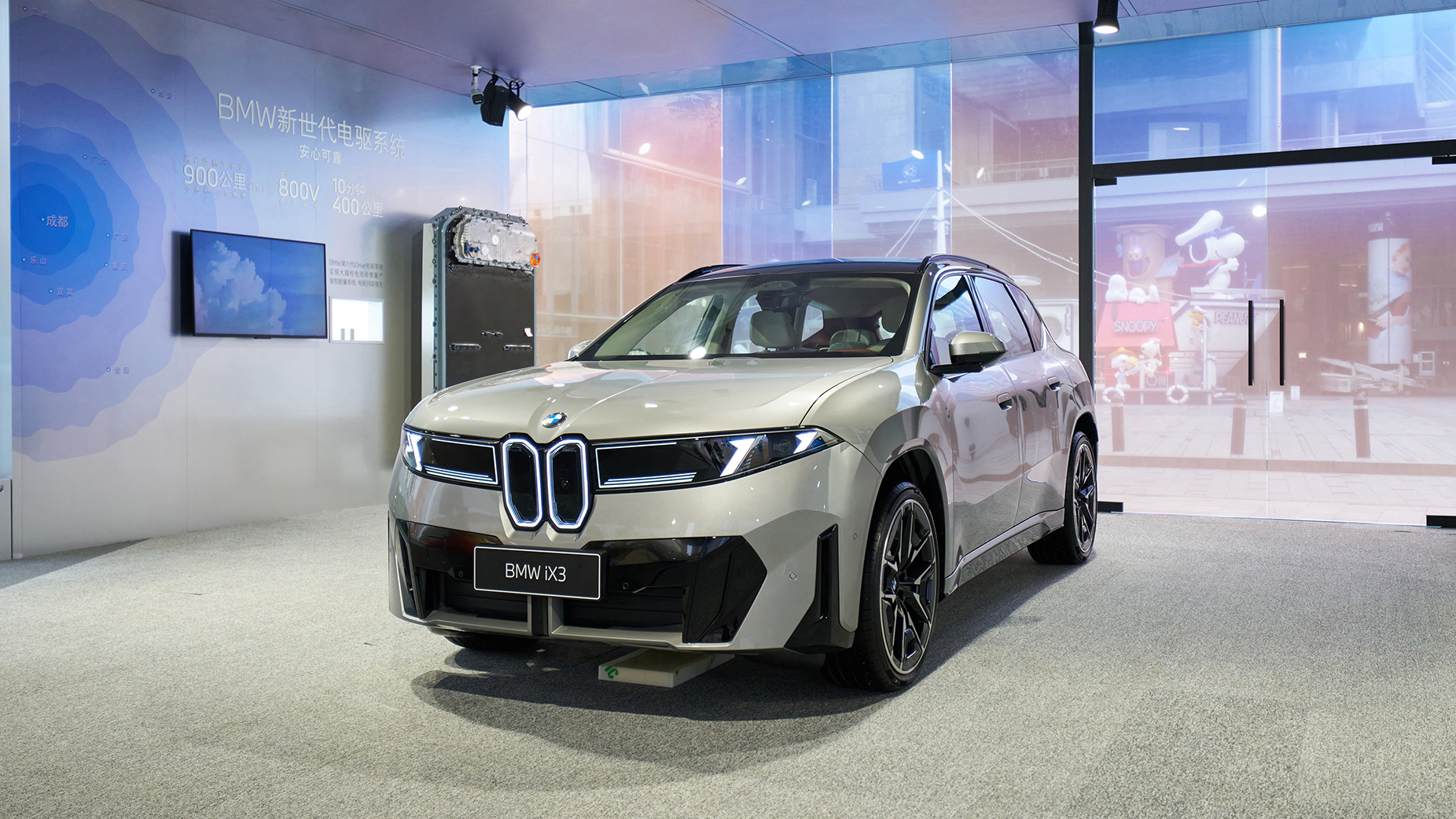
BMW Brilliance Automotive has reportedly begun laying off employees, with around 1,800 jobs affected, or roughly 10% of its workforce, according to Chinese media reports.
The cuts began on November 2 and span nearly all departments, although frontline production workers account for the majority of those affected. Some office and management employees have also been included.

Headquartered in Shenyang, Liaoning Province, BMW Brilliance is responsible for BMW’s vehicle production and sales operations in China.
Employees at the joint venture are generally classified into two categories: P-grade positions, which cover frontline production roles, and G-grade positions, which include office and management staff. Several employees said the layoffs affect both groups, but the vast majority of those dismissed are P-grade workers.
Several employees also said the company is offering a standardized severance package based on an “N+5” formula. Under the arrangement, “N” is calculated using an employee’s gross monthly salary, while the additional five months are based on basic pay and exclude performance-related income.

Before the layoffs, BMW Brilliance’s trade union roster listed more than 19,000 members, a figure that broadly reflects the company’s workforce.
BMW Brilliance has yet to issue an official statement on the reported cuts. It also remains unclear whether the move is part of BMW Group’s broader global workforce restructuring.
The reports from China follow a workforce reduction plan at BMW’s German headquarters. Reuters reported on July 29 that the automaker planned to eliminate several thousand positions in Germany by the end of 2027 through a voluntary departure program.
BMW said the German plan would primarily target administrative and R&D departments, leaving production jobs unaffected. A person familiar with the matter said at the time that BMW Group expected to reduce its global workforce by around 8,000 employees.

The approaches differ significantly. While the reported cuts at BMW Brilliance fall mainly on frontline production workers, the German plan focuses on non-production roles in administration and R&D.
The German program was also negotiated with employee representatives and relies on voluntary departures rather than compulsory layoffs. Reuters described the move as part of BMW’s cost-cutting efforts amid pressure on profits and weak market demand.
BMW’s workforce adjustments come as the group faces mounting business pressures.
In the first half of 2026, BMW Group’s profit before tax fell 29.4% YoY to €4.045 billion ($4.53 billion). Earnings before interest and taxes (EBIT) in its automotive segment dropped 45.6%.
The automotive segment’s EBIT margin fell to 3.6%, down from 6.2% a year earlier and well below BMW’s long-term target range of 8% to 10%.
Deliveries also weakened. BMW Group delivered 1,707,799 vehicles worldwide in the first nine months of 2026, down 4.9% YoY.

China was a particular weak spot. BMW and MINI delivered a combined 376,128 vehicles in the country during the period, down 21.8% YoY. By contrast, BMW continued to grow in Europe and the United States, where deliveries rose 4.5% and 3.4%, respectively.
China, once BMW’s largest single market, has also become a smaller contributor to global sales. Its share of the group’s total deliveries fell from 32.3% in 2023 to 25.4% in 2025.
With profits shrinking and demand shifting across key markets, BMW appears to be using workforce reductions to ease its longer-term labor cost burden.
Discover more from ChinaEVHome
Subscribe to get the latest posts sent to your email.