- BYD has opened pre-orders for the third-generation Tang EV, raising flagship SUV pricing back above RMB 200K after comprehensive upgrades to size, cabin and powertrain.
- The range and performance figures include a CLTC-rated 850 km range for RWD, 770 km for AWD, single 300 kW (408 hp) RWD motor, dual-motor 515 kW (~700 hp) AWD and RMB 225K–260K pricing.
- The Tang will compete with AITO M6, Li Auto i6 and ONVO L80 while risking internal cannibalization with the DaTang, plus pressure from final pricing, demand elasticity and execution on charging and delivery.
BYD opened pre-orders for the third-generation Tang on November 13, with three variants priced from RMB 225K ($33.7K) to RMB 260K ($39K).
For comparison, the current second-generation Tang DM-i starts at RMB 159.8K ($23.9K) and tops out at RMB 189.8K ($28.4K). The new EV’s starting and top-end pre-order prices are approximately RMB 65K ($9.7K) and RMB 70K ($10.5K) higher, respectively.

The Tang has long served as one of BYD’s flagship SUVs in the RMB 200K price segment. However, the second-generation model’s starting price was lowered to around RMB 180K ($27K) two years ago.
With the third-generation model, BYD has pushed the price back above RMB 200K ($30K) following a comprehensive upgrade. Whether buyers are willing to pay more for its larger body, longer driving range and expanded equipment will be a key factor in its market performance.
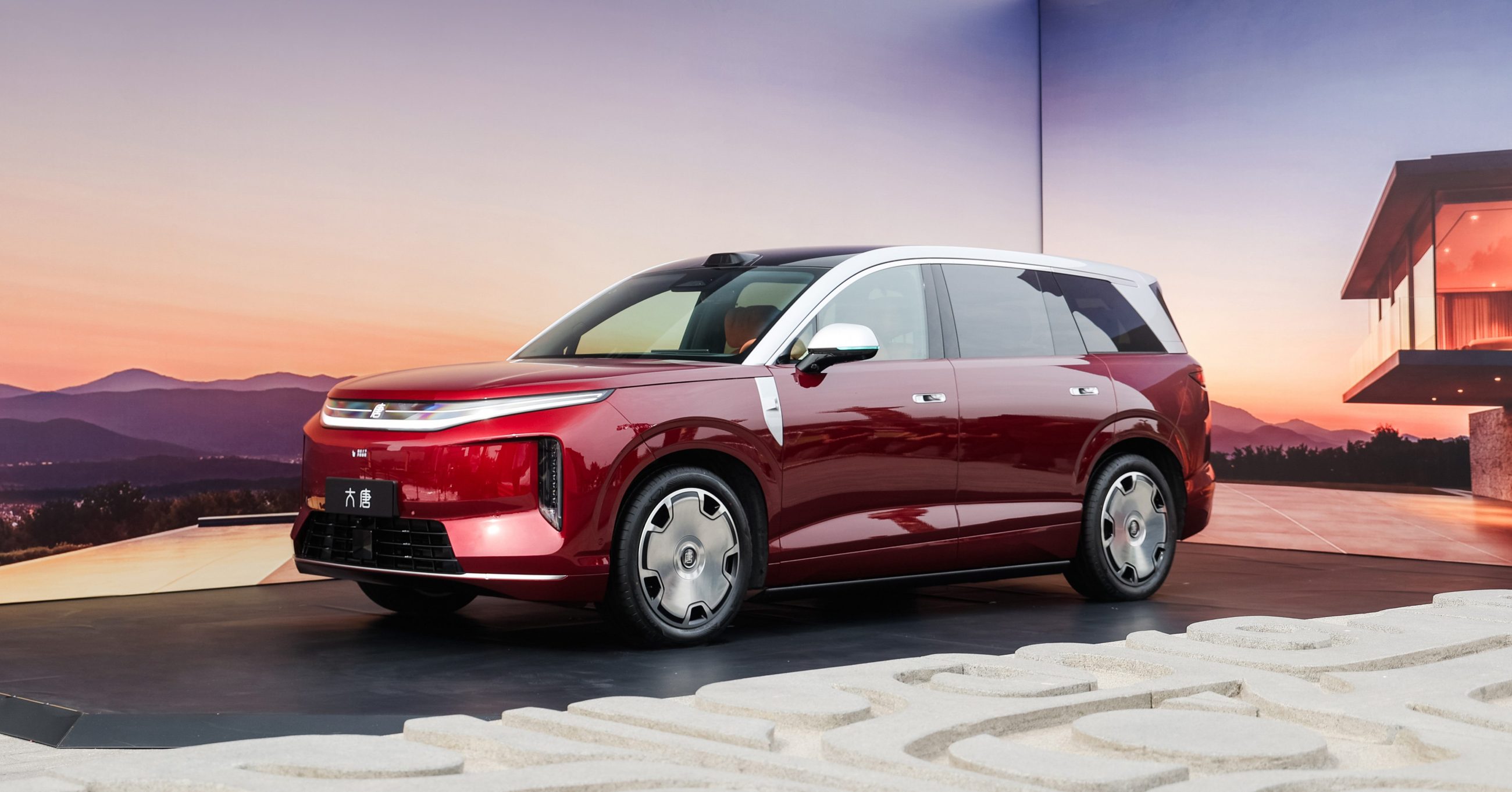
The new model will also face competition from within BYD’s own lineup. The DaTang, the flagship SUV in the Dynasty series’ 9-series lineup, is priced between RMB 239.9K ($35.9K) and RMB 309.9K ($46.4K), overlapping with the Tang EV across several price points.

Although the two SUVs differ in positioning and cabin layout, their overlapping prices create internal competition. We expect the third-generation Tang’s official starting price to land at around RMB 210K ($31.5K).
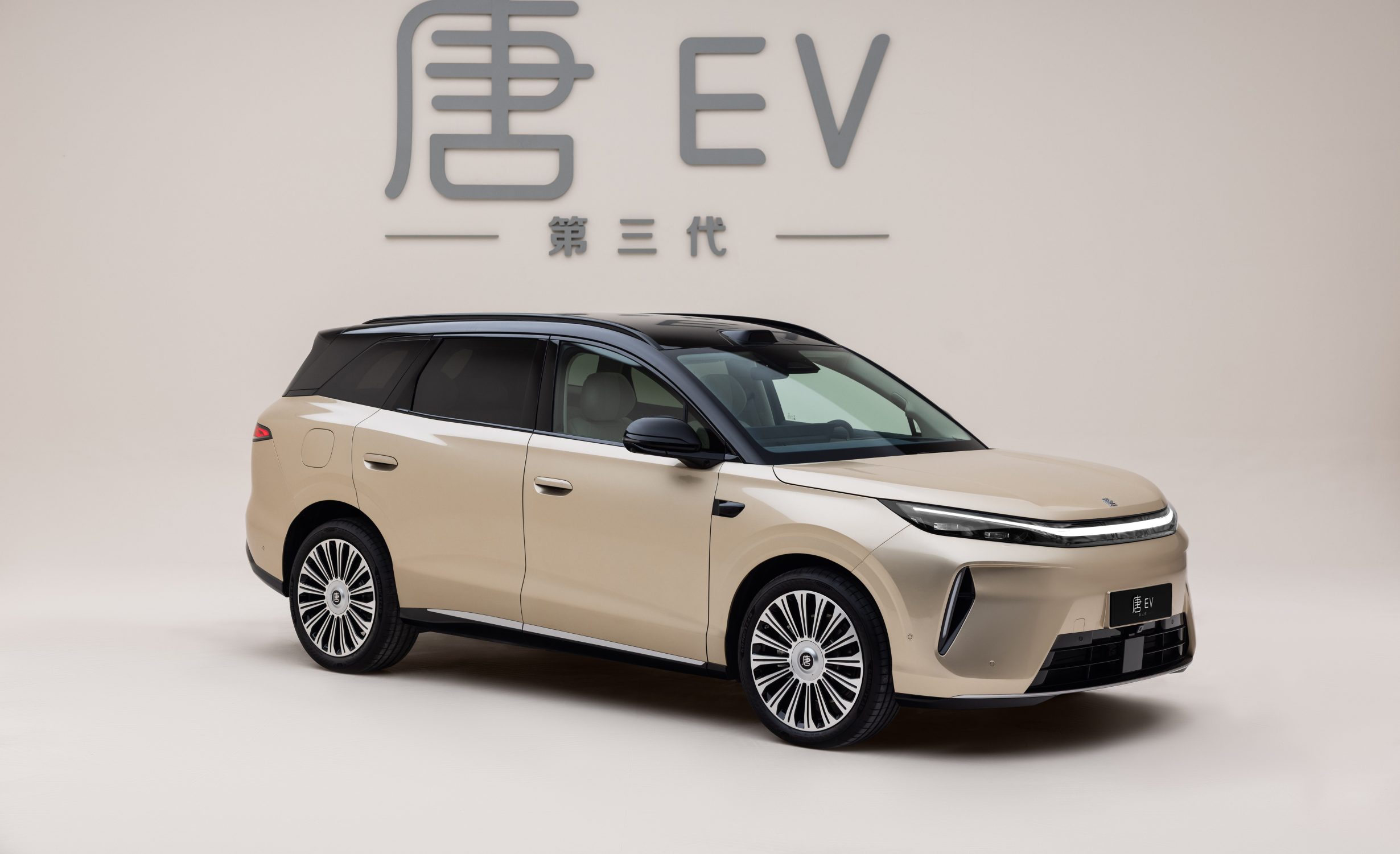
Beyond the higher price, the third-generation Tang EV brings extensive upgrades across its design, dimensions, cabin and powertrain.
The SUV adopts BYD’s latest family design language, featuring a closed-off front fascia and a full-width light bar. Its dimensions have also increased to 5,045 mm long, 1,980 mm wide and 1,760 mm tall, with a 2,950 mm wheelbase.
The interior is a major highlight. The third-generation Tang is the first BYD model to offer two distinct cockpit designs.

The first features a circular steering wheel, a digital instrument cluster and a 30-inch panoramic display. The second comes with an oval steering wheel, a 35.4-inch remote cowl display and a 30-inch panoramic screen.
The Tang EV will be available with rear-wheel drive and all-wheel drive. Both rear-wheel-drive variants use a single 300-kW motor producing 408 hp. The all-wheel-drive version features dual motors, delivering a combined output of 515 kW, or approximately 700 hp.

The CLTC-rated driving range reaches up to 850 km, while the all-wheel-drive version offers 770 km. The SUV will also feature BYD’s Megawatt Flash-Charging technology, which can charge the battery from 10% to 97% in nine minutes.
Overall, the third-generation Tang upgrades nearly every major aspect of the vehicle, from its dimensions and cabin design to its powertrain and battery system. Its pricing has also moved upmarket alongside these changes. Key competitors are expected to include the AITO M6, Li Auto i6 and ONVO L80.

BYD’s main brand has recently gained momentum in the premium segment with the flagship DaTang, setting an encouraging precedent for its efforts to move upmarket while increasing both sales volume and average selling prices. DaTang has delivered more than 10K units for two consecutive months, signaling continued consumer interest in BYD’s higher-end flagship models.
Whether the third-generation Tang can sustain that momentum will depend on its final pricing and how consumers respond to its upgrades.
Discover more from ChinaEVHome
Subscribe to get the latest posts sent to your email.