- Huajing will launch an all-electric Huajing S in 2027 using CATL’s Chocolate battery-swapping system, testing whether shared swap tech can penetrate China’s mainstream family SUV segment.
- The current Huajing S is a full-size six-seat SUV (5,235 mm long, 1,999 mm wide, 1,800 mm tall, 3,105 mm wheelbase) sold as a PHEV for RMB 149.8K–196.8K (about $22.5K–$29.5K); deliveries reached 7,507 units in October and 38,724 cumulative.
- The move targets sub-RMB 200K family SUV rivals and could pressure swap and charging rivals, but execution risks include scaling swap infrastructure, station rollout timing, integration with Qiankun autonomous features, and operational margins.
Huajing, the electric vehicle brand jointly developed by Huawei and SAIC-GM-Wuling, plans to launch a new model in 2027 equipped with CATL’s Chocolate battery-swapping solution, according to a Chinese automotive blogger.
The blogger said the move goes beyond adding another powertrain option to Huajing’s lineup. The new model will serve as a test case for whether a standardized, shared battery-swapping model can gain traction in China’s mainstream family SUV market, particularly in the RMB 200K ($30K) price segment.

Notably, Wuling’s brand and marketing director subsequently reposted the report on social media, highlighting three key elements of the partnership: “Huajing + Huawei Qiankun Intelligent Driving + CATL battery swapping.”
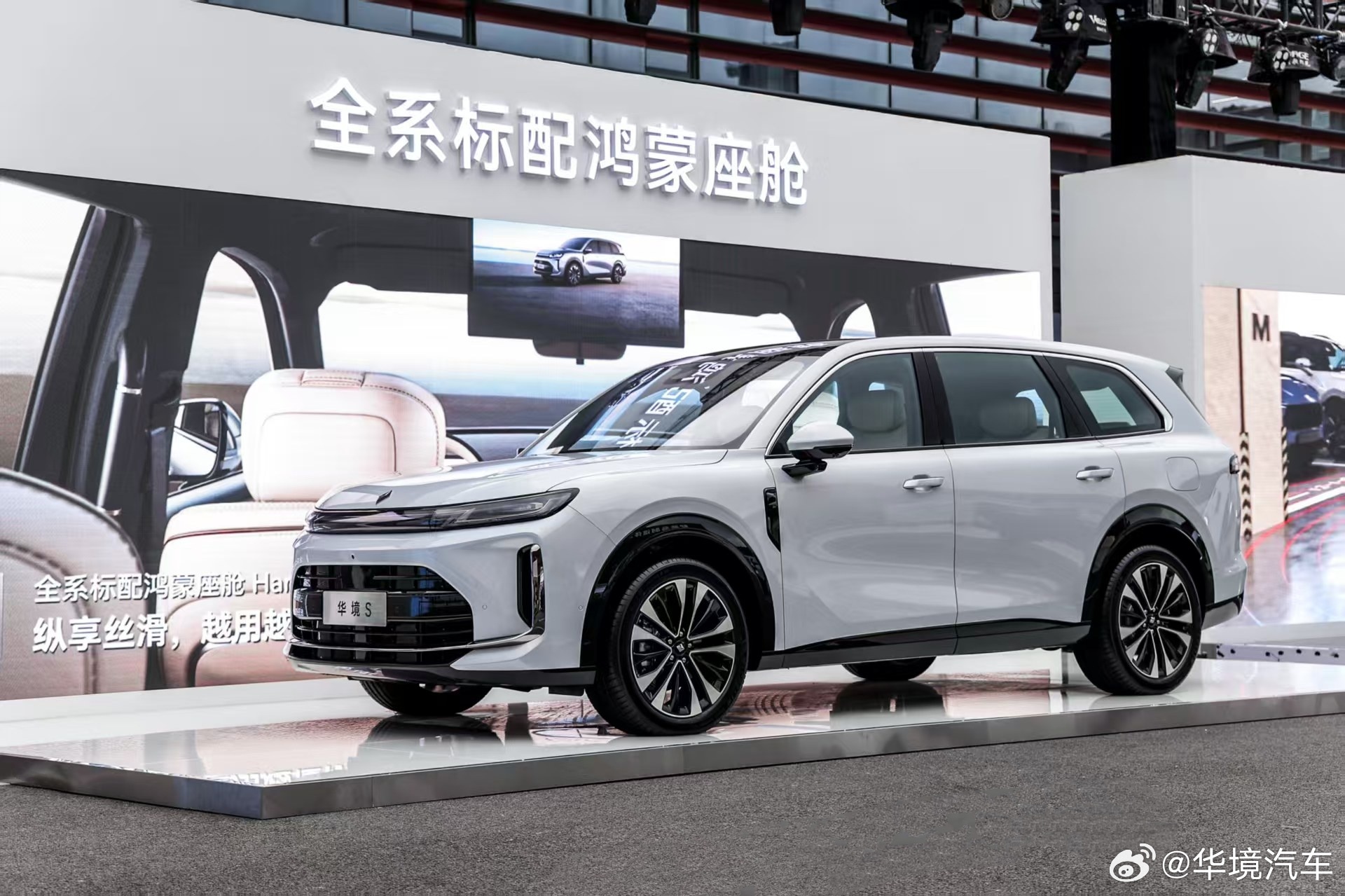
The blogger said the new vehicle will be an all-electric version of the Huajing S, the brand’s first model, which launched in May 2026 at prices ranging from RMB 149.8K ($22.5K) to RMB 196.8K ($29.5K).
The Huajing S is a full-size, six-seat SUV measuring 5,235 mm long, 1,999 mm wide and 1,800 mm tall, with a 3,105-mm wheelbase. It is currently available only as a plug-in hybrid.

The model has gained a foothold in the market. It delivered 7,507 units in October, bringing cumulative deliveries since launch to 38,724. Its main selling points are full-size SUV space at a price below RMB 200K ($30K), along with standard Huawei Qiankun ADAS and a HarmonySpace.
Huajing’s planned battery-swapping model also builds on an existing partnership between SAIC-GM-Wuling and CATL. The two companies signed a strategic cooperation agreement in Ningde, Fujian province, in April this year.
Meanwhile, CATL and Huawei are also advancing their cooperation.
In October, Huawei subsidiary Yinwang joined CATL and Times EV Service in a smart battery-swapping partnership to develop an intelligent charging and swapping ecosystem under Huawei’s Qiankun brand.

The technology allows vehicles to assess their own energy needs, locate a swap station, enter the battery-swapping bay and align themselves automatically.
After completing a fully automated battery swap in 99 seconds, the vehicle can drive away on its own, creating an automated process from energy replenishment decisions to the completion of a battery swap.
Against this backdrop, the all-electric battery-swapping Huajing S could become an important test of how Huawei’s intelligent driving technology and CATL’s battery-swapping network work together in the mainstream family SUV market.
If the model proves successful, other HIMA brands, including AITO and Luxeed, could also introduce battery-swapping models. This would give consumers more options for replenishing energy while bringing fresh competition to the battery-swapping market.
Discover more from ChinaEVHome
Subscribe to get the latest posts sent to your email.