- BMW launched the Neue Klasse i3 in China, signaling a shift to dedicated EV platforms to combat pricing pressure and regain momentum amid falling local deliveries and intensifying competition.
- The lineup spans three variants priced from RMB 249,900 (about $37,500) to RMB 319,900 (about $48,000), with a single-motor 235 kW drive, 0–100 km/h in 4.7s, and CLTC ranges of 708 km, 802 km, and 1,028 km.
- The i3 targets premium long-range EV buyers and competes with established Chinese and European models, but faces execution risks from January 2027 delivery timing, regulatory range scrutiny, and margin pressure in China.
BMW officially launched the Neue Klasse i3 at Auto Guangzhou 2026 on Nov. 27. The lineup comprises three variants priced from RMB 249.9K ($37.5K) to RMB 319.9K ($48K). Deliveries are scheduled to begin in January 2027.

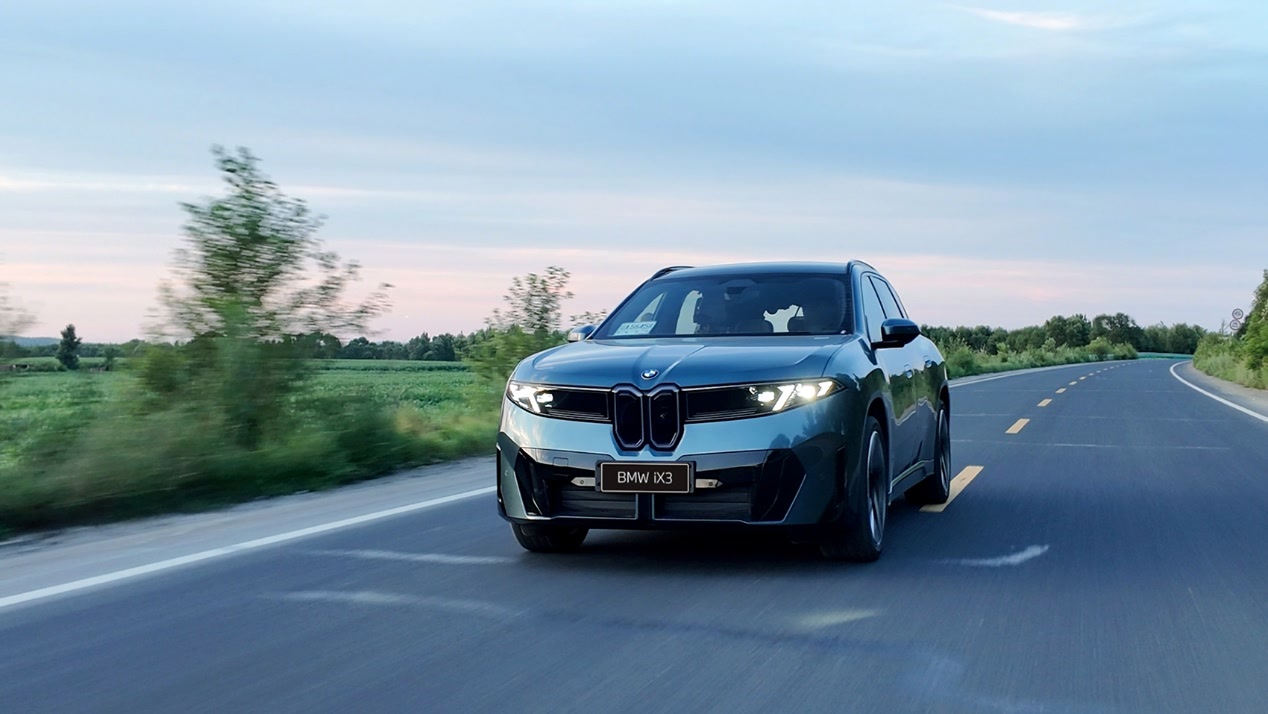
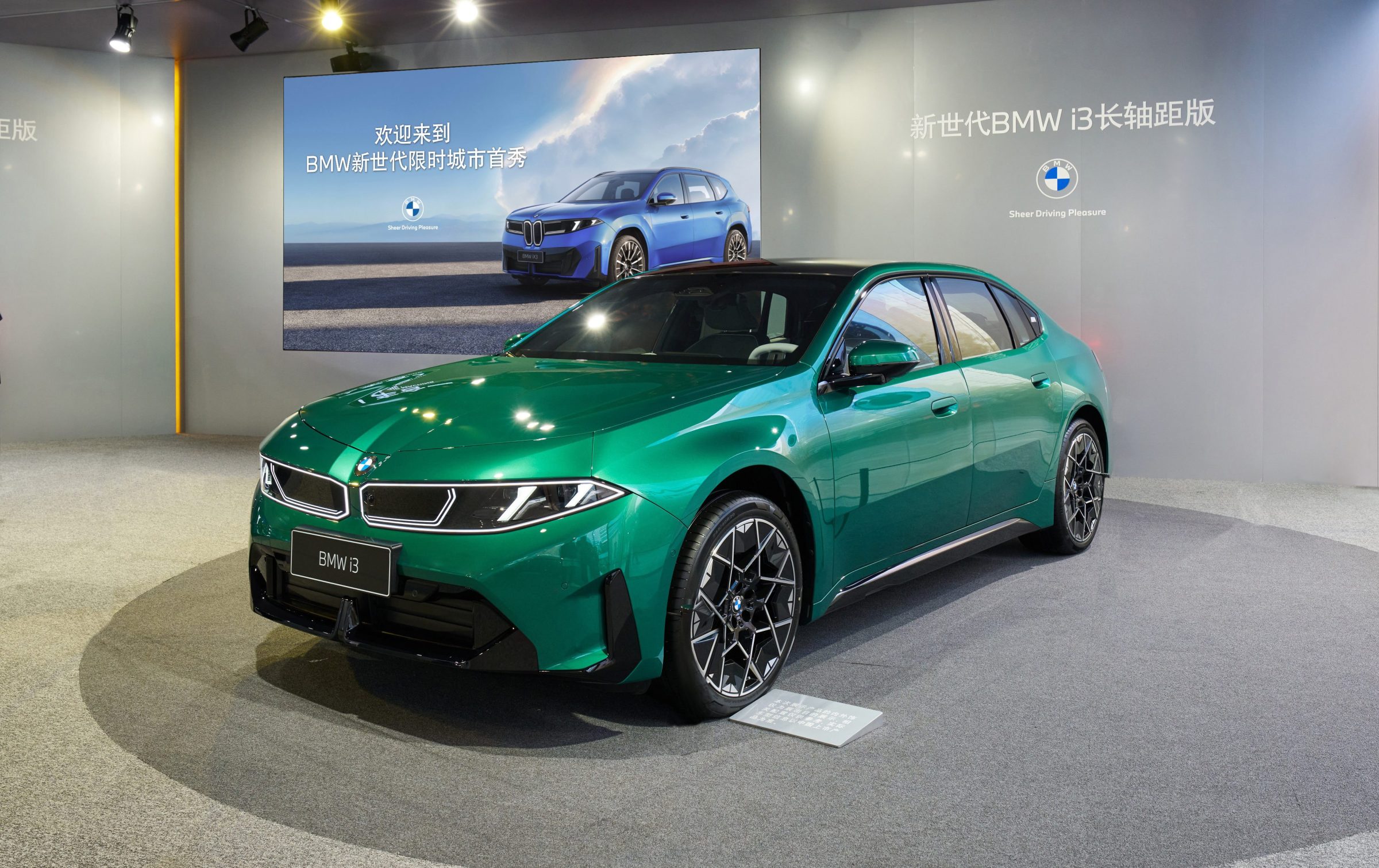
As part of BMW’s Neue Klasse lineup, the i3 adopts an entirely new design language closely inspired by the BMW Vision Neue Klasse concept.
At the front, BMW has reinterpreted its signature kidney grille and iconic quad headlights as a new “Digital Angel Wing” lighting system. Driver-assistance sensors, including radar and cameras, are integrated behind the unified lighting assembly. The front bumper also features active air intakes and air curtains on both sides, giving the nose a cleaner appearance.

The side profile retains BMW’s signature short front overhang and long wheelbase, complemented by a sloping roofline and wide fenders. Together, these elements give the car a low-slung, sporty stance. It also features semi-flush door handles and an illuminated M badge on the C-pillar.
The rear design is relatively understated. Horizontal L-shaped taillights extend outward from the central BMW logo, echoing the front lighting design while emphasizing the car’s width.

The long-wheelbase i3 measures 4,864 mm long, 1,865 mm wide and 1,490 mm tall, with a 3,005-mm wheelbase. That is 39 mm longer than the 2,966-mm wheelbase of the current BMW i3. The new model also offers a 31-liter front trunk and a 420-liter rear cargo compartment.
Inside, the cabin follows a driver-focused layout with contrasting color schemes and BMW’s Panoramic iDrive cockpit. It features a 17.9-inch frameless central display, alongside a standard 43.3-inch Panoramic Vision display, a 3D head-up display and a dedicated multifunction steering wheel.

The powertrain and driving range mark another major departure from the previous i3.
Unlike its predecessor, which was developed on a combustion-engine vehicle platform, the Neue Klasse i3 is based on BMW’s new all-electric NK platform. It uses a sixth-generation eDrive single-motor system with a peak output of 235 kW. The car accelerates from 0 to 100 km/h in 4.7 seconds and reaches a top speed of 200 km/h.
BMW offers three battery configurations across the lineup. The i3 30L uses a 77-kWh lithium iron phosphate (LFP) battery and has a CLTC range of 708 km. The i3 40L comes with 86.9-kWh ternary lithium large cylindrical cells, delivering 802 km of CLTC range. The range-topping i3 50L packs 113.4-kWh ternary lithium large cylindrical cells and offers up to 1,028 km on the CLTC cycle.
In a previous long-distance challenge conducted without recharging, the i3 50L covered 1,213 km, achieving 118% of its rated range.

The launch marks another step in BMW’s Neue Klasse EV rollout in China. The i3 will join the Neue Klasse iX3 in carrying the brand’s next-generation electric lineup. Its market performance will offer a key indication of how BMW’s electrification strategy is progressing in China.
That transition comes as BMW faces mounting pressure in the Chinese market. The automaker delivered 114,355 vehicles in China in the third quarter of 2026, down 24.8% YoY. Deliveries for the first nine months totaled 376,128 units, a 21.8% YoY decline.
Discover more from ChinaEVHome
Subscribe to get the latest posts sent to your email.