- BMW began local Neue Klasse production in Shenyang with the iX3 rolling off the line, signaling a push to arrest China sales declines and localize key components for competitiveness.
- The locally made iX3 goes on sale and for deliveries on November 25; Gen6 power battery production and Energy Master pre-production are already running at the Shenyang base.
- The move targets premium EV rivals in China but execution risks include weak China demand, shrinking margins, workforce cuts, and the need to scale localized battery supply reliably.
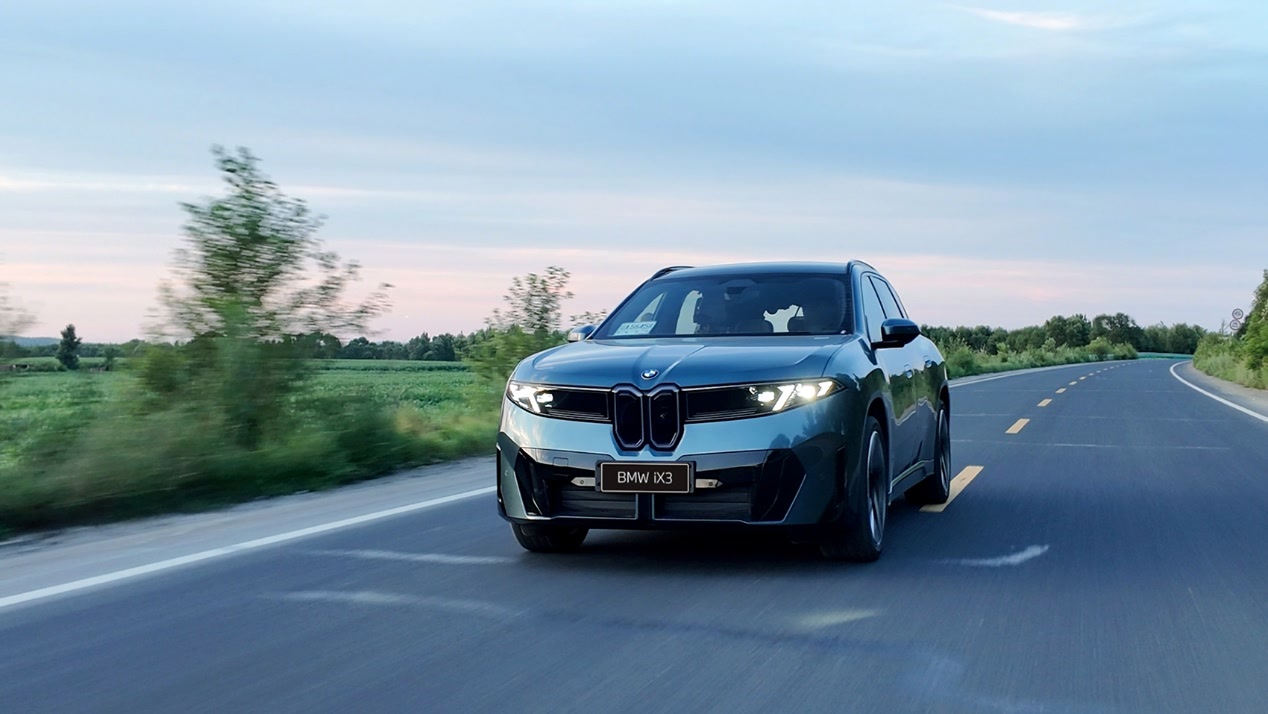
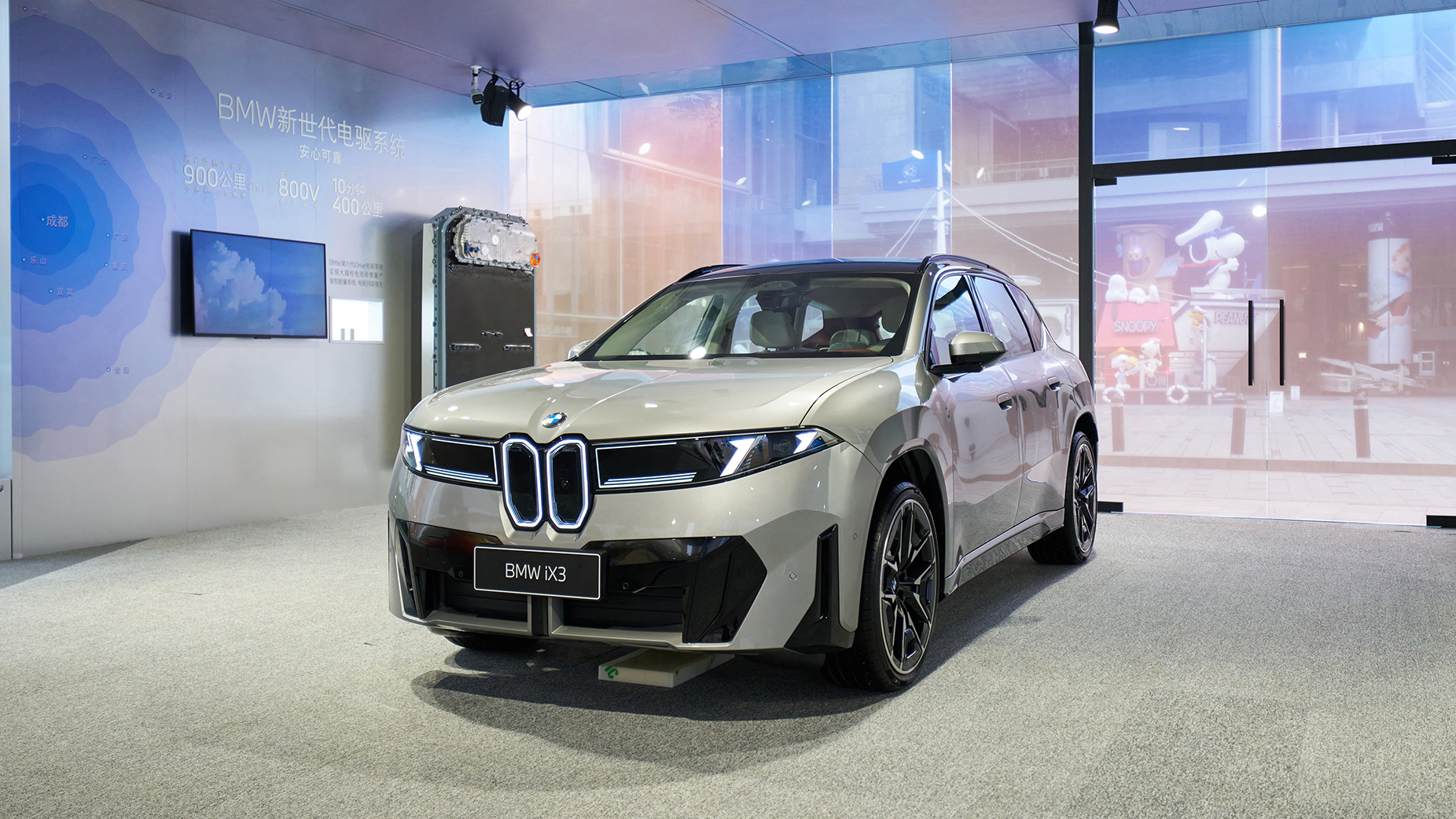
According to the BMW Group, production of its Neue Klasse models has officially begun in China, with the first locally manufactured BMW iX3 rolling off the production line at the company’s Shenyang manufacturing base.
The BMW iX3 is scheduled to go on sale on November 25, with customer deliveries also set to begin that day.

Another Neue Klasse model, the BMW i3, will make its debut at the Guangzhou Auto Show on November 27, when orders will open. Deliveries are expected to begin in the first quarter of 2027.
Jochen Goller, BMW Group board member responsible for production, said more Neue Klasse models would enter production over the coming months, expanding the company’s lineup for the Chinese market.
To support production of the new models, BMW has moved ahead with the localization of power batteries and key components.
On October 15, BMW’s Gen6 power battery officially began production at its Shenyang manufacturing base, providing battery supply for the Neue Klasse rollout.

Meanwhile, pre-production of the Energy Master system has also begun, with supporting capabilities across R&D, supply chain management and manufacturing gradually taking shape.
The Neue Klasse BMW iX3 adopts a new cell-to-body structural architecture, in which the battery pack is no longer simply a standalone component mounted beneath the vehicle floor but is instead integrated more deeply into the vehicle structure.
In the body manufacturing process, the plant combines various grades of high-strength steel with aluminum extruded profiles.
Flow-drill joining technology is used to connect components made from different materials.
Manufacturing data from the battery, body and final assembly stages are also linked through a digital quality management system, enabling virtual fit and compatibility checks before vehicle assembly.

The start of Neue Klasse production, however, comes against the backdrop of mounting sales pressure for BMW in China.
In the first three quarters of 2026, the BMW Group delivered 1.7078 million vehicles worldwide, down 4.9% year on year. BMW and MINI deliveries in China totaled 376,400 units, a decline of 21.8%.
During the same period, deliveries in Europe and the United States increased by 4.5% and 3.4%, respectively, leaving China as a notably weaker market than the group’s other major regions.
Profitability also came under pressure. The BMW Group reported pretax profit of €6.128 billion ($6.76 billion) in the first three quarters of 2026, down 23.9% year on year.

The automotive segment’s EBIT margin was 3.5%, compared with 5.9% a year earlier.
Separately, reports recently emerged that BMW Brilliance’s Shenyang manufacturing base had begun a round of workforce adjustments.
Approximately 1,800 positions were reportedly affected, equivalent to around 10% of its total workforce.
With both sales and profits under pressure, the market performance of the Neue Klasse lineup will be an important factor in BMW’s efforts to reshape its business in China.
Discover more from ChinaEVHome
Subscribe to get the latest posts sent to your email.