Li Auto i8 large six-seat pure electric SUV faces pricing dilemma amid fierce competition. Launching July 29, it targets 720km range, spatial design, and anchoring future EVs.
In the fiercely competitive month of July, Li Auto has scheduled its second pure electric model, the i8, for launch on July 29.
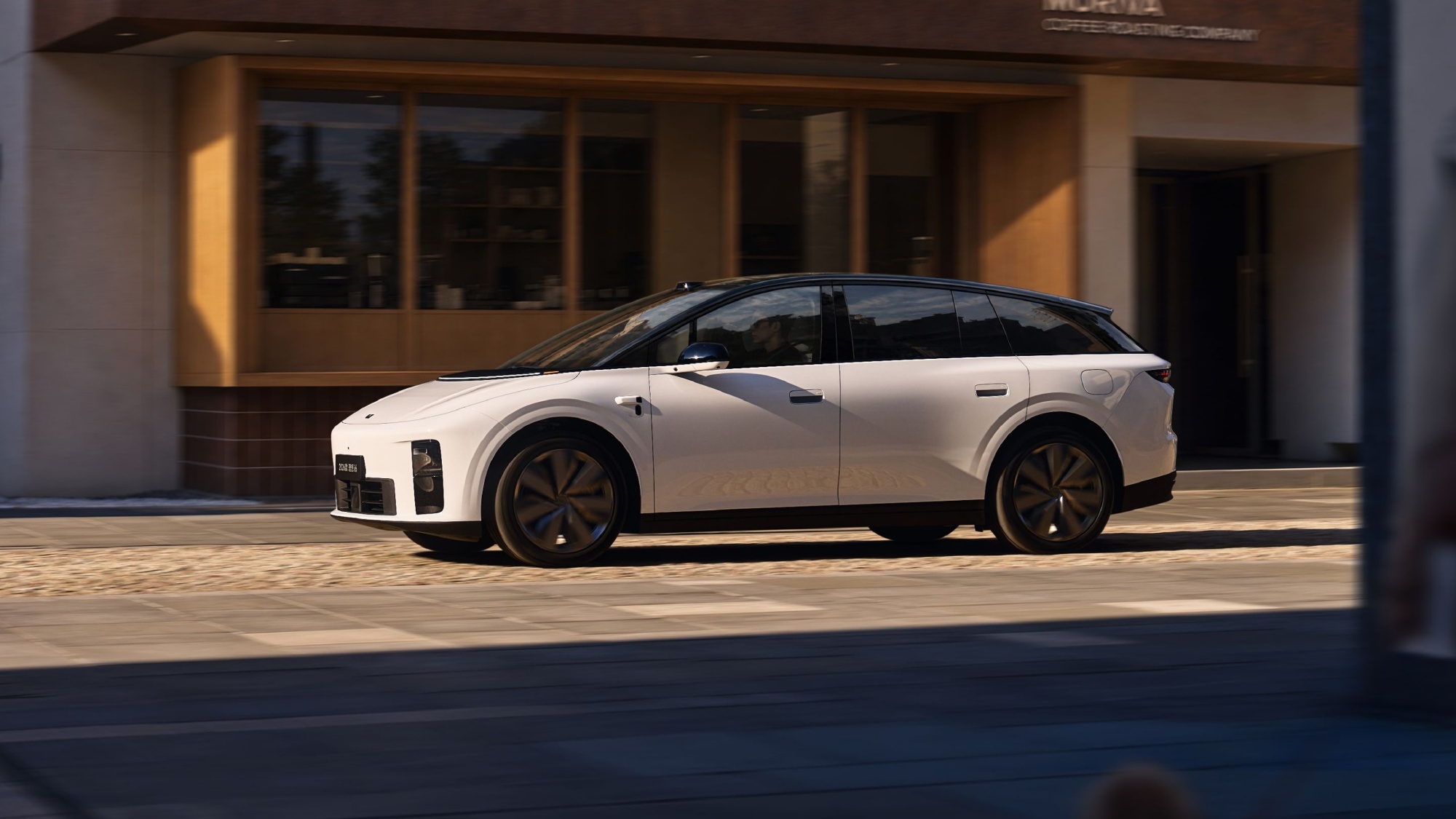
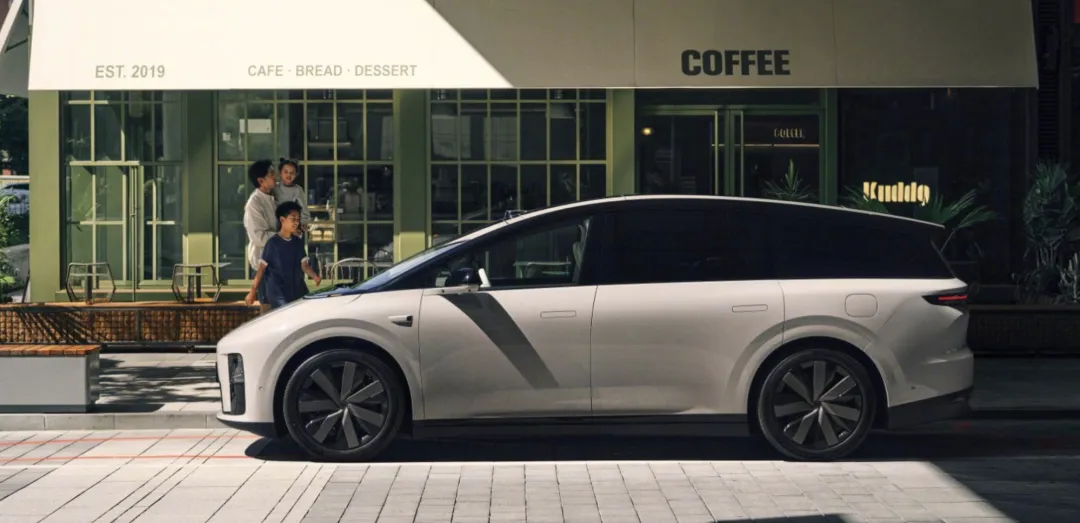
Previously disclosed information indicates the Li Auto i8 is a large six-seat pure electric SUV. Its design more closely resembles the pure electric MPV MEGA than Li Auto’s extended-range L-series SUVs.

Key product highlights include low energy consumption, robust range, and spacious seating. Early pricing expectations placed it in the ¥300,000–400,000 ($42,000–$56,000) range.
Large six-seat pure electric SUVs above ¥300,000 ($42,000) are rare, giving the i8 a chance to replicate the sales success of the L8 through differentiated positioning.
However, pricing remains a major challenge.
As noted, July is packed with rivals: the recently unveiled Zeekr 9X, the same-month launch of Onvo L90, and the start of Xiaomi SU7 deliveries—all potentially pressuring the i8.
Additionally, Li Auto’s own L8 and other hybrid/extended-range “large six-seater” SUVs are indirect competitors.
How should Li Auto price the i8?
The Pricing Dilemma
Industry norms suggest similarly sized pure EVs command higher prices than PHEV/extended-range counterparts. Thus, the i8 (positioned alongside the mid-to-large L8) should logically exceed the L8’s refreshed price range of ¥321,800–379,800 ($45,000–$53,000), likely starting above ¥350,000 ($49,000).

But can a ¥350,000 ($49,000+) large six-seat pure electric SUV succeed? The market lacks clear precedents.
In June, the top-selling new energy SUVs above ¥300,000 ($42,000) were overwhelmingly hybrid:
- AITO M8: >20,000 units
- Li Auto L7: >8,000 units
- Lynk & Co 900: >5,500 units

The first pure EV, the NIO ES6, ranked lower with 4,415 units—and its five-seat layout and BaaS pricing strategy make it a poor benchmark.
Analyzing competitors’ sales figures reveals a clear conclusion: Achieving strong sales for pure electric SUVs priced above ¥300,000 ($42,000) is exceptionally difficult. Therefore, if Li Auto insists on pricing the i8 higher than the L8—following conventional industry logic—its sales prospects inevitably inspire grave concern.
Conversely, if pricing cannot be set too high, would adopting an ‘introductory pricing strategy’ (positioning the i8 within the L8’s $45,000–$53,000 range) guarantee optimistic sales?
Another harsh reality emerges: Competition in the ¥300,000 ($42,000) segment is equally brutal.
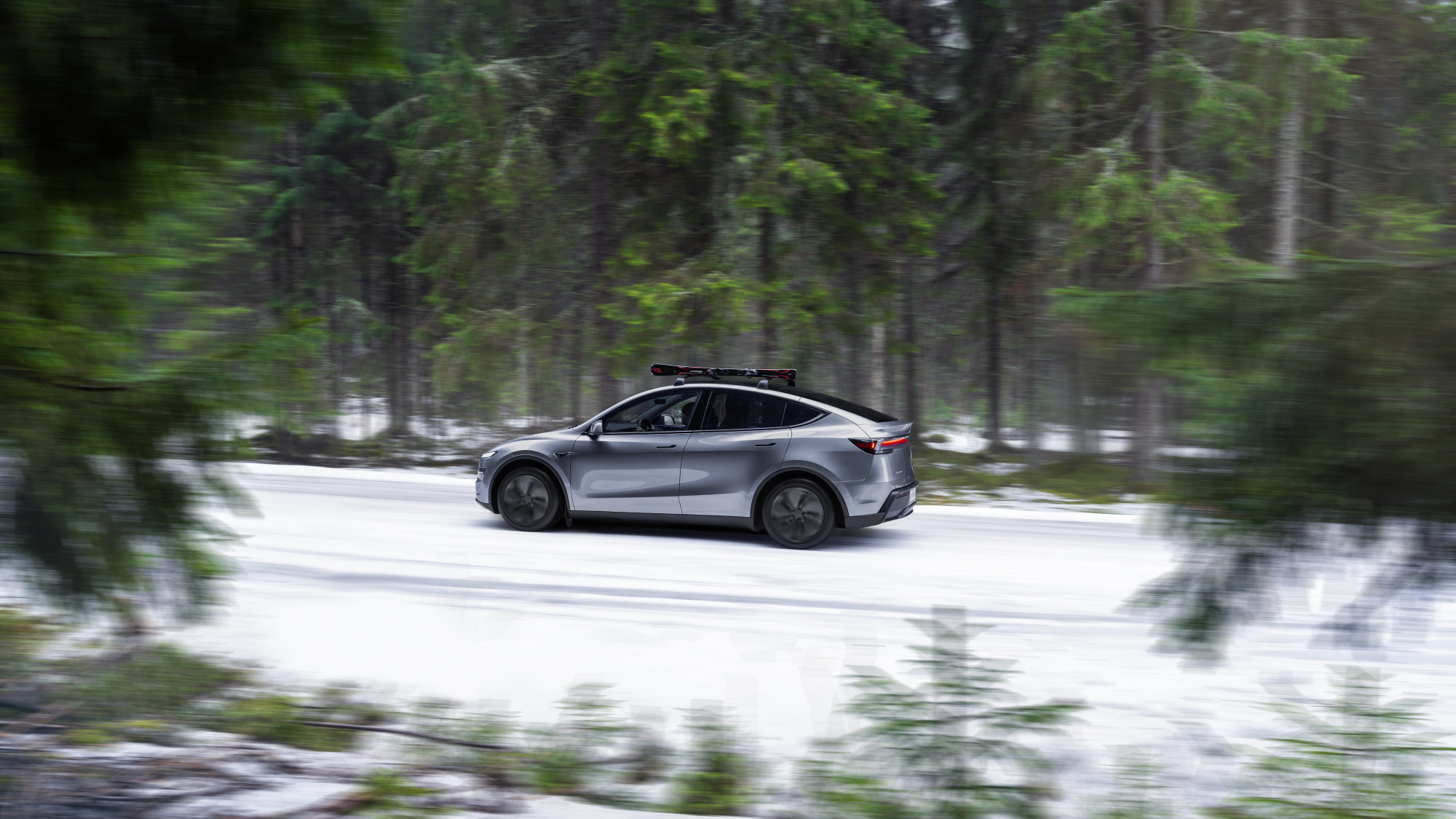
If Li Auto prices the i8 closer to the L8, it faces brutal competition from the Tesla Model Y, Xiaomi SU7, and Onvo L90—the latter matching the i8’s size, six-seat layout, and offering battery swap/BaaS advantages.
Beyond price, what unique strengths does the i8 offer?
Refined through Iteration
Based on current information, the core competitive edge of the Li Auto i8 remains its “space.”
Automotive blogger @莱因哈特在拉伸 shared insights on social media about the product definition phase of the Li Auto i8. A key point highlighted was that all aspects of this vehicle’s design stemmed from a “space-first” backward deduction approach.

Dimensions: 5085×1960×1740mm, wheelbase: 3050mm. The “large six-seater” spatial layout follows the same logic.
Li Auto believes that models like the Li Auto One and L8 have already validated Chinese consumers’ acceptance of such vehicles. Now, as the brand enters the all-electric SUV segment, adopting this product strategy for its debut model is the safest approach.
After establishing the core proposition of a “large six-seater mid-to-full-size SUV,” Li Auto’s next step was to reverse-engineer the specific product form and functional features based on the “all-electric” attribute.
For example: The body design leans closer to the Li Auto Mega rather than the L8, prioritizing a lower drag coefficient to ensure range. Current data confirms the i8 boasts one of the lowest drag coefficients (0.215) among all-electric mid-to-full-size SUVs. With an energy consumption of 14.6 kWh/100km and a 97.8 kWh battery pack, it achieves a range of 720 km.
The blogger also revealed that the i8 optimizes the driving posture, offering a spacious front-row view. Its low ground clearance and low roof contribute to a “low center of gravity,” while the dual-motor AWD powertrain delivers a more dynamic driving experience than traditional large SUVs.
From these details alone, the i8 clearly exhibits several “differentiating features”: Few all-electric SUVs simultaneously prioritize “space” and “driving dynamism”—traditionally conflicting goals. The i8 aims to shatter stereotypes about mid-to-full-size electric SUVs (e.g., “high energy consumption,” “short range”), bolstering consumer confidence.
Additionally, our in-depth experience with the Li Auto Mega left a strong impression with its exceptional ride comfort and quietness. If the i8 inherits these traits, it could become another key differentiator.
However, looking back at the Li Auto Mega’s launch last year offers a cautionary tale: Neither its “superior handling over rivals” nor its “outstanding three-electric system capabilities” made it the “sales champion in the ¥500,000 ($70,000) segment” as intended.
No Room for Error
Compared to the Li Auto Mega, the i8 likely faces even greater market pressure: it has already been delayed once, theoretically undergone thorough refinement, and serves as the inaugural model for Li Auto’s entire all-electric SUV lineup.
Choosing the i8 as the debut vehicle for this new product line reveals Li Auto’s strategic intent: a mid-tier model can effectively anchor the entire lineup in the market, helping define precise positioning for both entry-level successors (e.g., i6, i7) and premium flagships (i9).
Thus, the i8’s final pricing and market performance will significantly influence the rollout cadence of subsequent models—and may even determine the fate of Li Auto’s entire all-electric SUV venture.
Beyond the price tag itself, the July 29 launch event’s true significance may lie in how Li Auto challenges industry “conventional wisdom” and reshapes market perceptions of extended-range electric vehicles (EREVs) versus battery electric vehicles (BEVs).
A prevailing narrative suggests that “EREVs are merely transitional; BEVs are the ultimate destination.” This, coupled with BEVs’ objectively higher costs and premium pricing (on shared platforms), often positions them as “superior” products.

In the past, while focused solely on selling EREVs, Li Auto could afford to ignore such noise. Even the Li Auto Mega’s underwhelming sales didn’t threaten its core business. But now, with all-electric SUVs positioned as a strategic pillar and tasked with becoming a second growth engine, the brand must address these perceptions head-on.
After all, Li Auto’s ambitions for its BEVs extend far beyond “3,000 to 4,000 units per month.
According to third-party data, Li Auto has revised its 2025 production target to 640,000 units, with BEV goals specifically raised from 50,000 to 120,000 units.
In the first half of 2025, Li Auto Mega sold just 5,800 units. To hit its annual BEV target, Li Auto still needs to sell 114,200 units in the remaining six months.
Averaged out, its BEV lineup (including Mega, i8, and the upcoming i6) must sell at least 19,000 units monthly—highlighting Li Auto’s strikingly optimistic sales expectations for its electric models.
As one of the biggest beneficiaries of the EREV era, yet determined to conquer the BEV space, Li Auto now walks a tightrope. It must strike a delicate balance: preserving loyalty among its massive existing user base while attracting new buyers.
How can one have it both ways? On July 29, the industry awaits Li Xiang’s answer.
Discover more from ChinaEVHome
Subscribe to get the latest posts sent to your email.