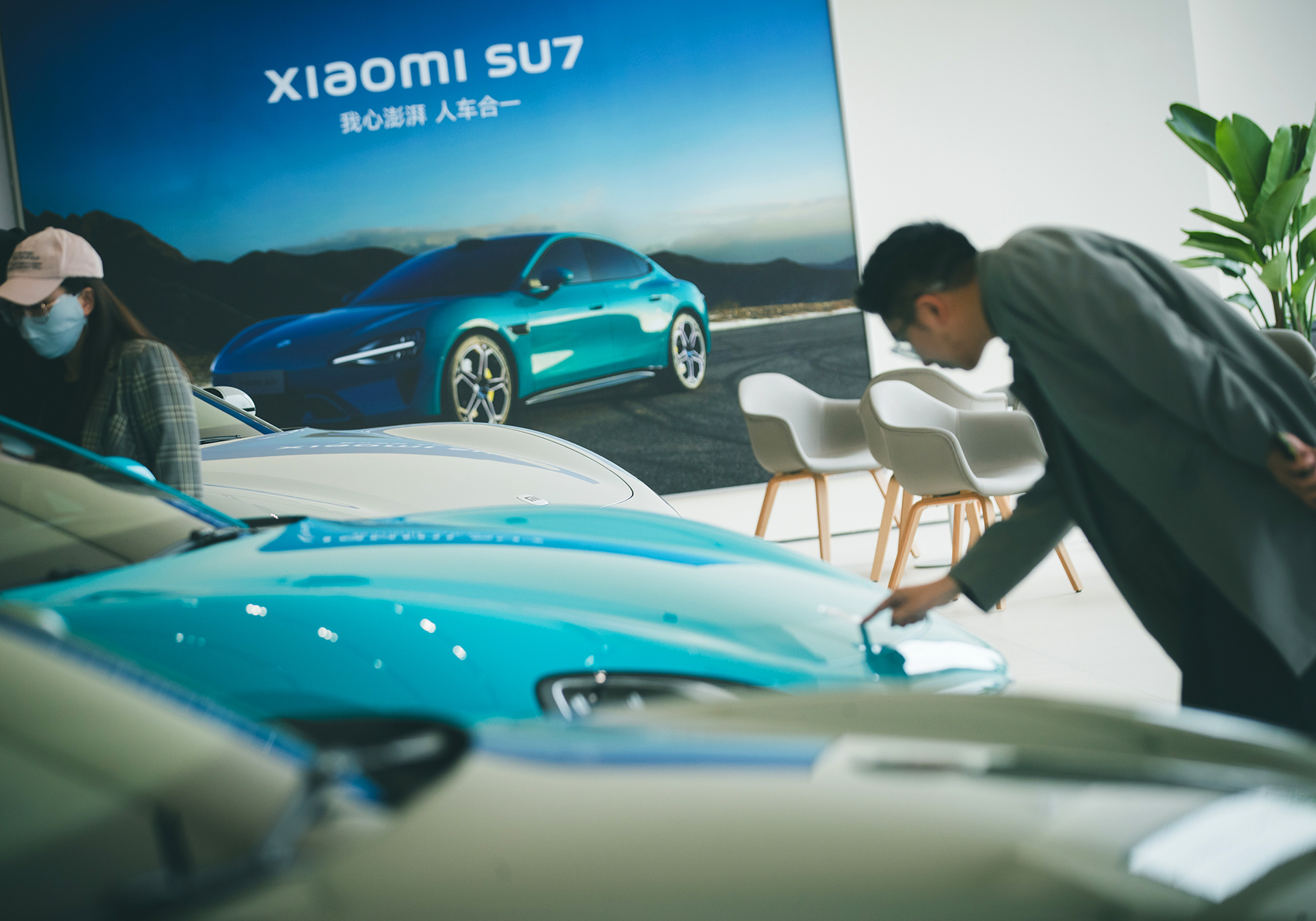
BYD and Tesla have high residual values in multiple market segments, while NIO models rank among the top in their respective segments relying on the battery swap system.
Recently, the China Automobile Dealers Association released the “2025 H1 China Vehicle Value Retention Report.” This study examines one-year resale values in the used car market as a reflection of overall brand strength, including product competitiveness, brand perception, and reputation. The results also serve as a reference for vehicle buybacks, trade-ins, leasing, financing, and new car pricing strategies.

In the overall pure electric vehicle (EV) ranking, Xiaomi’s debut model, the SU7, leads the pack with an impressive one-year retention rate of 88.91%, outpacing the second-place AITO M9 by nearly 4.5 percentage points. Li Auto Mega ranked third with 79.58%, while Tesla’s Model X and Model 3 rounded out the top five.
The 6th–15th spots show narrower gaps. For instance, BYD’s Song Plus EV and XPeng’s X9 differ by just 0.02%, underscoring fierce competition among leading domestic brands.
In the micro, small, and compact EV segments, resale value closely correlates with market sales performance. These vehicles primarily target city commuting scenarios and are priced affordably.
Models like the Wuling Hongguang Mini EV and Leapmotor T03 perform well in both the new and used markets thanks to their popularity and strong value-for-money proposition.
BYD stands out with the Seagull and Qin Plus, which dominate the small and compact EV resale rankings respectively. Notably, the Seagull also ranks 8th in the overall EV retention list.
Surprisingly, Baojun Cloud (Yunduo) claimed second place in the compact EV category with a 58.67% resale value, despite its lackluster new car sales. Its spacious cabin, long range, and advanced driver assistance (including DJI’s Lingxi Pilot) make it an attractive used option.
Mid-Size Sedans:

In the mid-size EV sedan segment, Tesla Model 3 maintains a high resale value due to its stable sales, long lifecycle, and robust OTA update capabilities. Despite its 2017 launch, major changes were only introduced with the 2023 refresh.
The NIO ET5T, launched in 2023 as the world’s first intelligent mid-size electric wagon, ranks just behind Model 3 with a 68.74% one-year retention rate. Its fusion of European wagon design and Chinese family needs has won favor among young buyers and lured some away from Tesla.
Mid-Size SUVs:

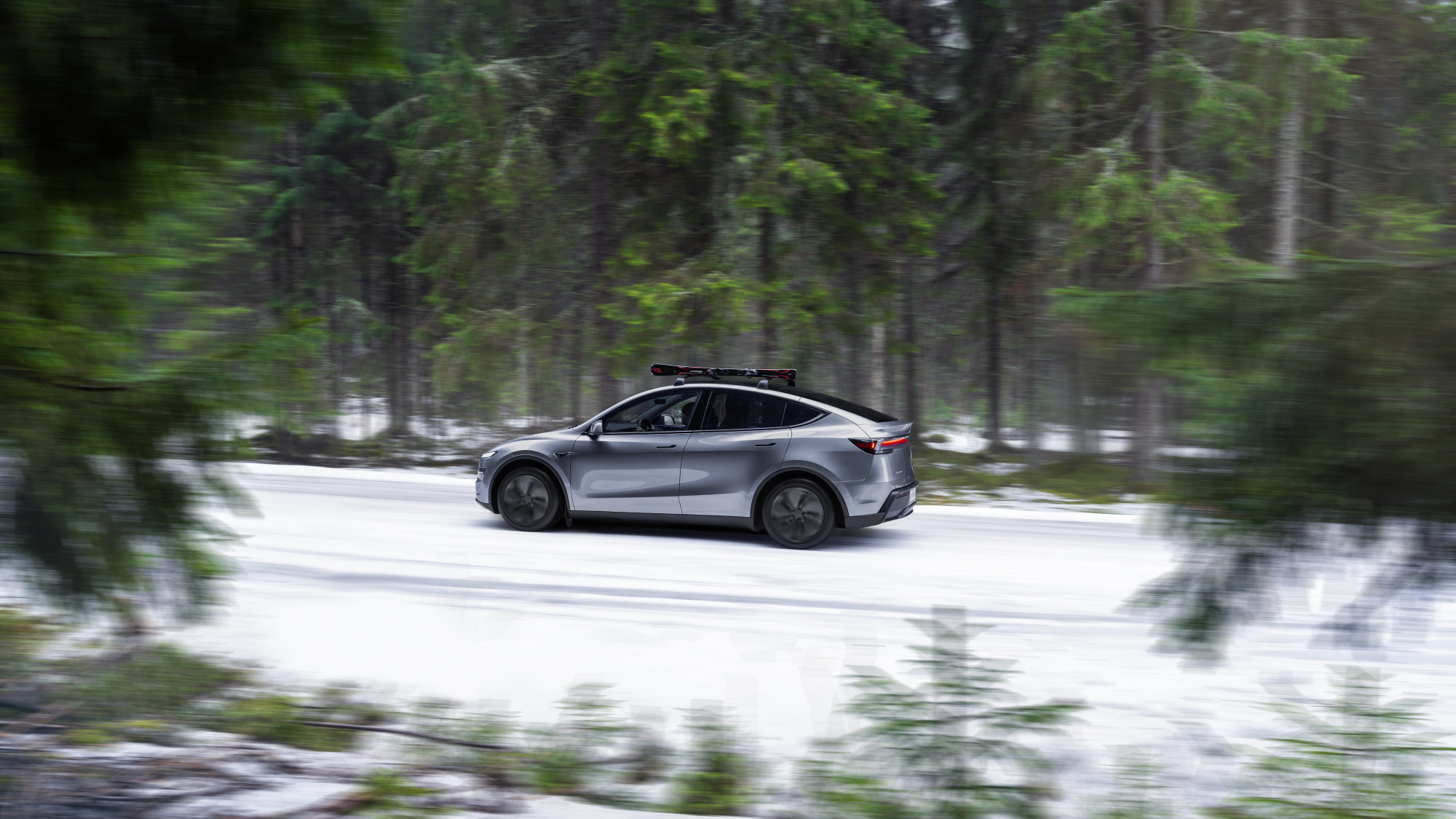
Mid-size electric SUVs priced between ¥200,000–¥300,000 form one of the most competitive segments. Here, the Tesla Model Y leads the resale rankings, thanks to strong sales and brand loyalty.
Trailing closely is Leapmotor C10, a value-focused offering that benefits from high market penetration and growing brand awareness. Other models like Leapmotor T03 also rank well in their respective segments.
NIO ES6 and EC6, ranked 4th and 5th, demonstrate NIO’s ability to sustain resale value through its unique product-service ecosystem and battery-swapping infrastructure.
Large SUVs:

In the large electric SUV category, Tesla Model X holds the top spot with a 77.81% one-year retention rate—well above the market average—reflecting its premium brand equity and demand.
XPeng G9 (67.47%) and NIO ES8 (65.54%) rank second and third, respectively. These flagship SUVs from emerging EV brands show that new players are gaining consumer trust. The G9 is praised for its hardware and intelligent cockpit, while the ES8 benefits from NIO’s service model and battery-swap compatibility.
Electric MPVs:

In the electric MPV segment, Li Auto Mega and XPeng X9 secure the top spots. Despite initial controversy over its design, the Mega’s space, comfort, and ultra-fast charging have earned a loyal following. Its high price hasn’t deterred a strong resale value close to 80%.
Zeekr 009, launched in 2022 as the world’s first purpose-built electric MPV, has found success in both family and business markets thanks to its high-end powertrain and luxury interior.
Retention value reflects more than just product quality—it’s shaped by brand strength, delivery consistency, after-sales service, and supply-demand dynamics. Established players like BYD, Tesla, and Geely continue to show solid retention thanks to scale and trust.
Meanwhile, EV startups like Li Auto, NIO, and XPeng build competitive moats through innovation—particularly NIO’s battery-swap model, which mitigates depreciation concerns tied to battery aging.
As China’s EV market matures, the used car segment is becoming a critical battleground for brands to prove their long-term product value and ecosystem resilience.
Discover more from ChinaEVHome
Subscribe to get the latest posts sent to your email.


[…] le marché du deuxième main, ce qui en fait la voiture la moins dépréciée; sont des données de Dernier rapport de chacun (China Automobile Dealers Association, via Véhicule […]