According to J.D. Power, high-end new energy vehicles from joint ventures may reach a turning point in the Chinese market within two years.
For a long time, joint venture brands have been almost bystanders in the new energy vehicle (NEV) market. But in the past month or two, the long-lost sales momentum has finally returned.
According to data from the China Passenger Car Association (CPCA), in May and June of this year, several joint venture automakers—including GAC Toyota, Dongfeng Nissan, SAIC-GM, and Changan Mazda—achieved record-high NEV sales. Some brands saw their monthly sales climb from just a few hundred units at the beginning of the year to nearly 10,000 units by June.
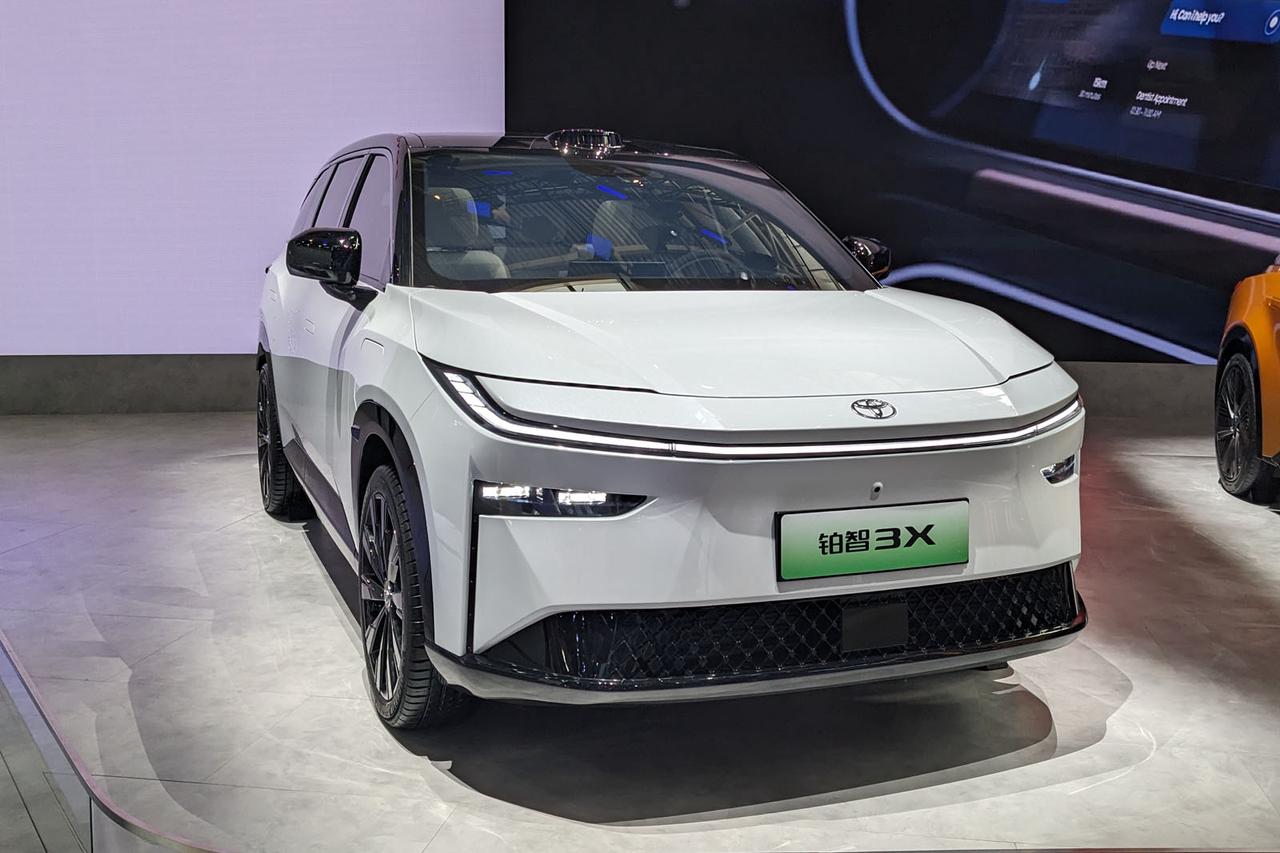
Looking at terminal sales, the joint venture NEVs gaining traction include the Dongfeng Nissan N7, GAC Toyota’s newly launched bZ3X, SAIC-GM’s Buick GL8 PHEV, and the Changan Mazda EZ-60, which had not yet officially launched but surpassed 30,000 blind reservations by the end of June.

For example, SAIC-GM’s NEV sales in June reached 9,200 units, with the Buick GL8 PHEV contributing more than two-thirds of the volume. Since its launch, the Dongfeng Nissan N7 has accumulated over 20,000 firm orders in just 50 days, and sold 6,189 units in June alone, making it the best-selling pure electric model among joint ventures.
Why are joint venture NEVs once again making their way onto Chinese consumers’ shopping lists?
Sean Wang, Managing Director of the Data Insights at J.D. Power, identified one core reason: over the past two years, joint venture automakers have changed how they understand and cooperate with the Chinese market.
Previously, when people thought of joint venture NEVs, their first impressions were: decent brand reputation, but lacking in smart infotainment and driver-assistance technology—and most importantly, overpriced.
But according to recent surveys, joint ventures’ user satisfaction in intelligent features has now surpassed the industry average. Behind this shift is their deepened collaboration with local tech companies. For example, SAIC Volkswagen, Dongfeng Nissan, GAC Toyota, and SAIC-GM have all partnered with Momenta for driver assistance technology, while Beijing Hyundai works with ThunderSoft for its smart cockpit solutions. Meanwhile, the Chinese teams within these joint ventures now hold greater influence in software development and product definition than ever before.

Additionally, some joint venture models are targeting the RMB 100,000–150,000 ($14,000–$21,000) price range for pure electric vehicles. This segment somewhat avoids direct competition with many Chinese brands, whose main efforts are currently focused on plug-in hybrids (PHEVs) and extended-range EVs, giving these joint venture NEVs a favorable market niche.
Cui Dongshu, Secretary General of the CPCA, similarly believes that joint ventures are accelerating their transformation toward electrification and intelligence, aligning better with Chinese consumer demands, and that the market has already provided some initial positive feedback.
Changes in pricing strategies are another key factor. During the gasoline vehicle era, joint venture pricing was typically higher than that of domestic brands, but this dynamic is shifting in the NEV stage. Some joint ventures are intentionally lowering prices to compete on value. For example, the GAC Toyota bZ3X starts at approximately RMB 110,000 ($15,000), and the Dongfeng Nissan N7 starts at around RMB 125,000 ($17,000).

In China, joint ventures still leverage decades of accumulated manufacturing expertise, strong reputations for quality, and extensive sales networks. What they lacked before were products that matched market demand. Now, by empowering their Chinese teams, joint venture brands may be playing their final and strongest remaining cards.
However, looking at current sales data, the growth is still mostly in entry-level pure electric models. High-end NEVs from joint ventures have yet to scale up significantly. Sean Wang believes that once AI-powered on-device models become standard in vehicles, and if joint ventures can keep pace in the mid-to-high-end pure EV market, they may hit a true market inflection point around 2027.
Discover more from ChinaEVHome
Subscribe to get the latest posts sent to your email.