Wuhan Weineng and CATL have formed a strategic partnership emphasizing battery management and innovation, while NIO’s existing battery swapping network remains unmentioned in this agreement.
Last night, Wuhan Weineng Energy’s official WeChat account published a headline article announcing that Weineng has entered into a strategic partnership with CATL. The announcement quickly drew widespread attention, with one key question standing out: Why is it Wuhan Weineng, rather than NIO Energy directly, that signed this new strategic cooperation agreement with CATL?

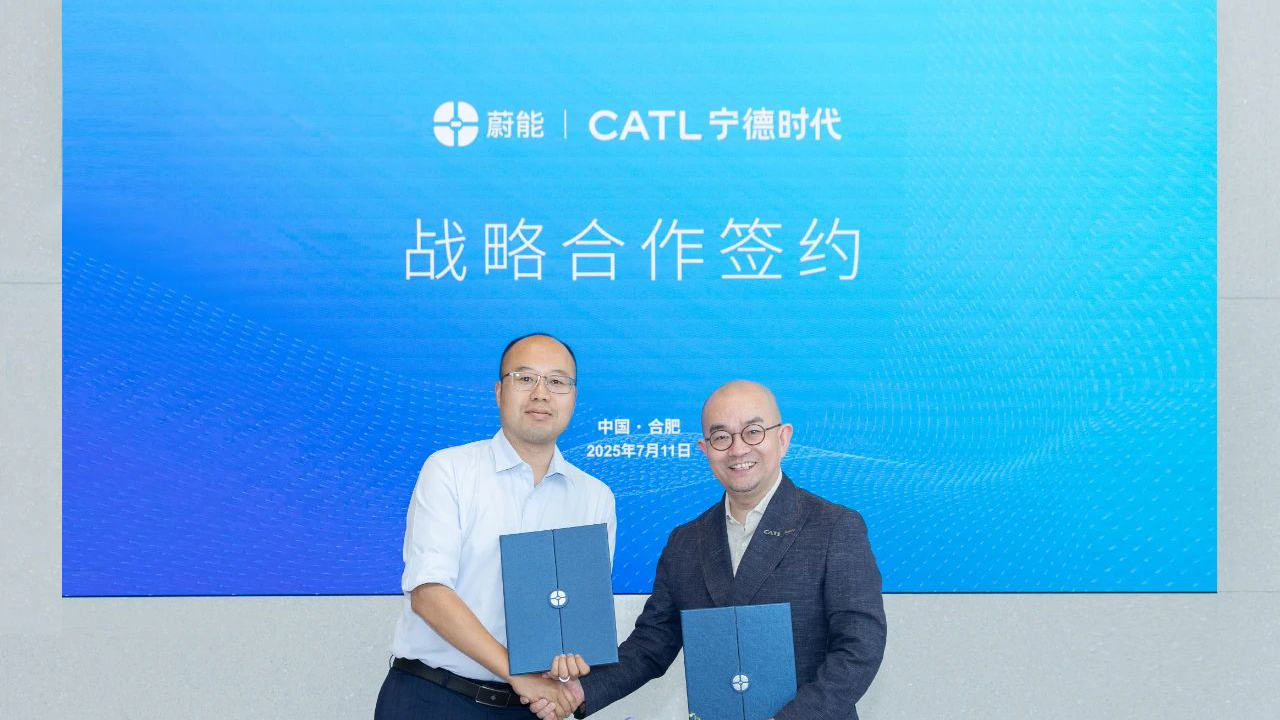
According to official information disclosed by Weineng, the two sides signed the agreement on July 11 in Hefei. The signatories were Lai Xiaoming, CEO of Weineng, and Yang Jun, General Manager of CATL’s battery swapping business. From what ChinaEV Home has learned, the signing took place in the morning right after the ONVO L90 launch event and media roundtable. Senior executives from both NIO and CATL met at NIO’s advanced manufacturing plant in Hefei.
What’s noteworthy is the scope of cooperation revealed in the opening paragraph of the announcement, which focuses mainly on “battery asset management, battery technology innovation, and other areas,” while aiming to deepen collaboration across “capital, technology, and business models.” Interestingly, it did not specifically mention NIO’s existing battery swapping network — the topic many had been closely watching.

The reason this point was left out this time is that, back on March 17, NIO and CATL had already announced in separate statements that they had signed a strategic cooperation agreement in Ningde, Fujian. That deal aims to build a battery swapping network covering all passenger vehicles, unify industry technical standards, and strengthen capital and business collaboration. NIO’s official channels also disclosed at the time that CATL would make a strategic investment of up to RMB 2.5 billion in NIO Energy.
It’s important to note here that the investment target in that case was “NIO Energy” — not Weineng.

Then, on April 7, Reuters published a major report claiming that CATL was in talks to acquire a controlling stake in NIO’s NIO Power business unit, which is the operating arm behind NIO’s charging and battery swapping infrastructure.
At this point, it’s worth clarifying the relationship between Wuhan NIO Energy and Wuhan Weineng.
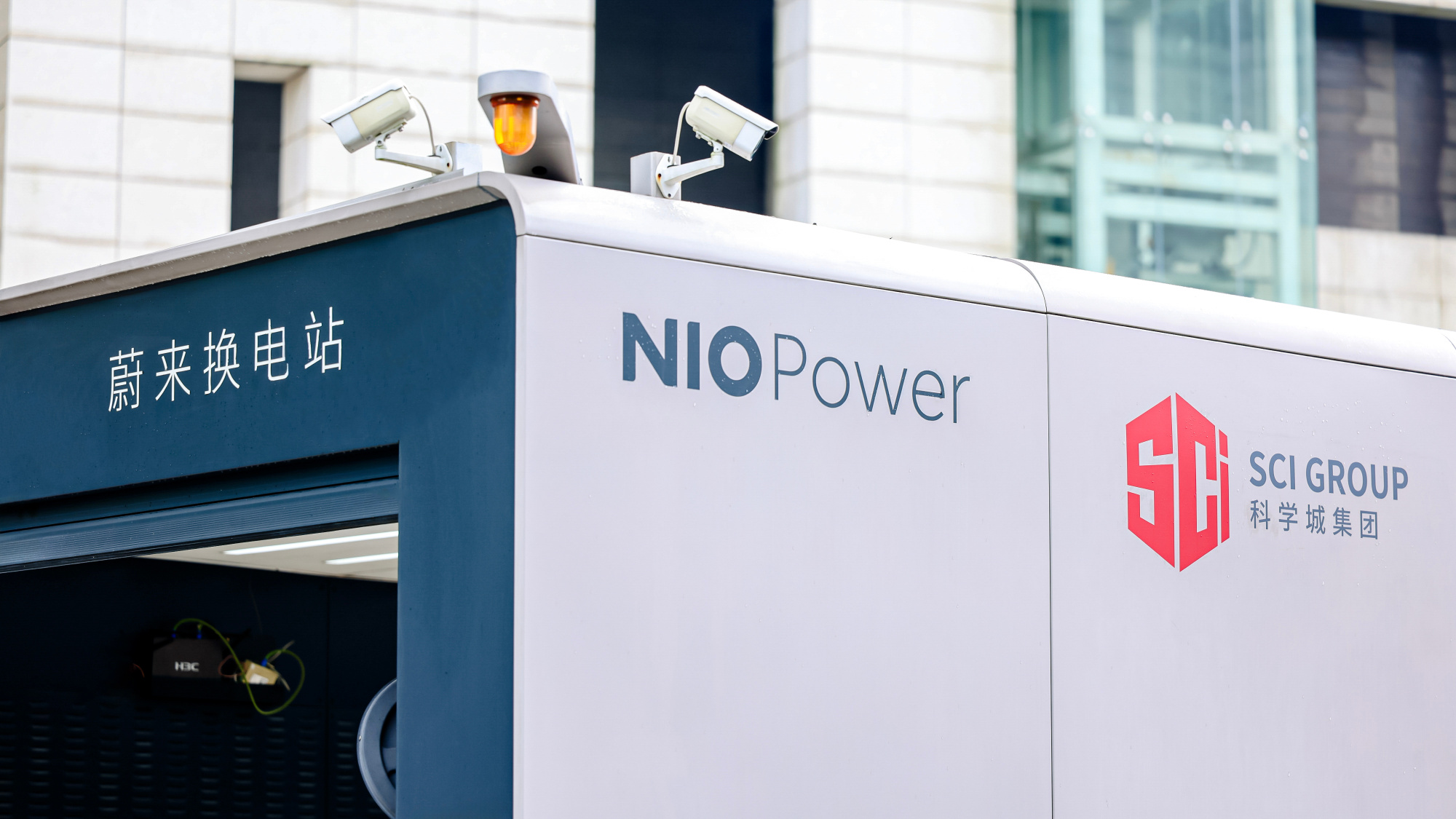
Wuhan NIO Energy essentially serves as the operator of NIO’s battery swapping network, handling the construction, operation, and maintenance of its charging and swapping infrastructure — from station deployment and power coordination to user swapping services. It is a wholly owned NIO subsidiary and is consolidated into NIO’s financial statements.
In contrast, Wuhan Weineng is a battery asset management company. It is the core platform for NIO’s BaaS (Battery as a Service) model, managing the full life cycle of battery assets — from procurement and leasing to recycling and repurposing. Its key assets are the batteries leased by end users. NIO is a major shareholder in Weineng, while CATL has also been an investor in the company since its inception.

This also explains why Lai Xiaoming posted on his WeChat Moments late last night, expressing his gratitude to CATL for its “unwavering support for Weineng since its angel round investment back in 2020.”
From March to July, this round of deeper engagement between NIO and CATL, at least for now, does not appear to directly involve NIO’s existing battery swapping network.
The reason may simply come down to timing.
Back in March, NIO was under intense public scrutiny and facing significant pressure. But following the successful debut of the ONVO L90 on July 10 and a clear rebound in NIO’s overall deliveries over the past quarter, market sentiment about the company’s growth prospects has turned more optimistic.
Although Weineng’s article last night did mention that “the new strategic partnership covers equity investment, battery leasing service operations and user services, co-building and sharing of the battery swapping network, closed-loop battery recycling, technical collaboration in battery applications for NEVs, and the exploration of other innovative technologies and business models,” it’s important to note that co-building the swapping network is not the same as an equity investment directly in “NIO Energy.”
At this stage, it remains unclear whether the two sides have finalized the previously discussed RMB 2.5 billion investment in NIO Energy. Ultimately, this will depend on how both parties view future industry trends — or put simply, how they value the business going forward.
Discover more from ChinaEVHome
Subscribe to get the latest posts sent to your email.