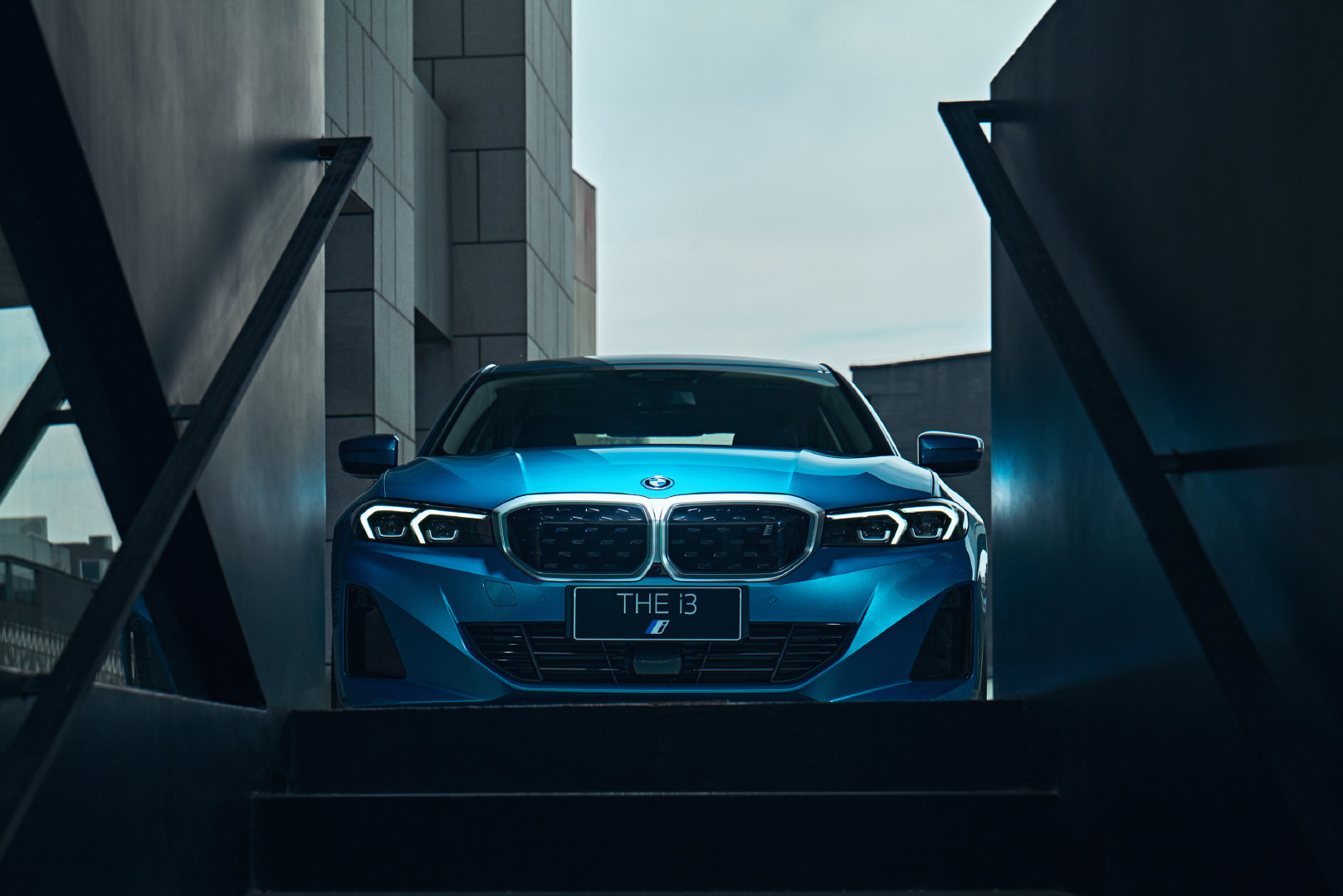
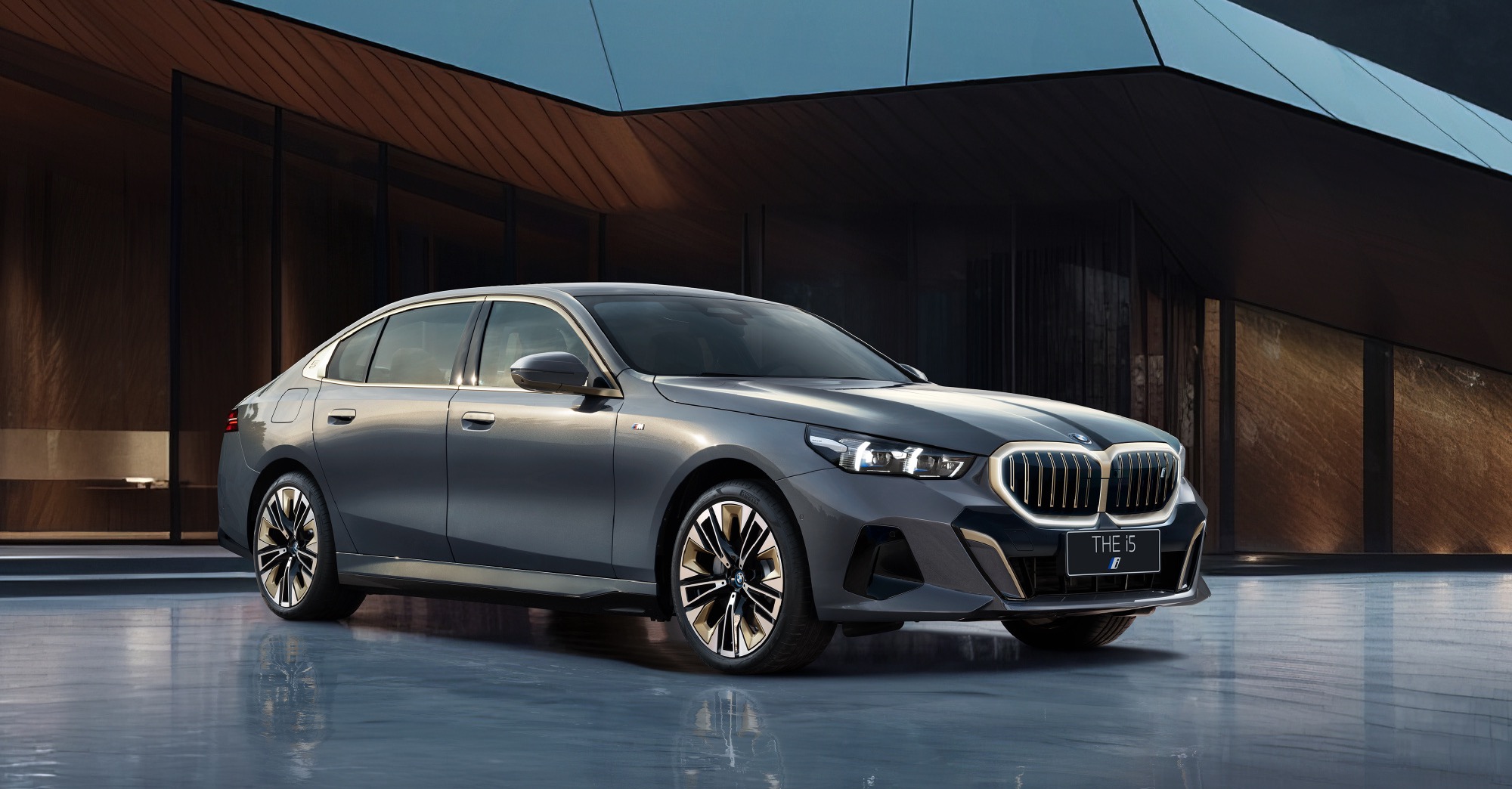
BMW announces a partnership with Chinese tech firm Momenta to develop a full-scenario, point-to-point intelligent driving system.
Today, BMW announced a collaboration with Chinese technology company Momenta to jointly develop a new intelligent driving assistance system tailored for the Chinese market.
According to BMW China, Momenta’s proprietary end-to-end AI large model technology will be integrated into several next-generation, locally produced BMW vehicles. Unlike BMW’s current ADAS offerings, the new system will support comprehensive scenario coverage, including both highway and urban environments. It will provide point-to-point navigation assistance, featuring functions like automated parking in and out of designated spots.

Among luxury automakers, BMW has been slower in advancing intelligent driving features. In contrast, Mercedes-Benz has already launched its highway navigation assistance system—developed by its China R&D team—on the long-wheelbase E-Class by the end of 2023. In June 2024, Mercedes also announced that its locally-produced electric CLA would feature Momenta’s ADAS solution. Audi, meanwhile, confirmed early 2025 plans to integrate Huawei’s Qiankun system into its upcoming Q6L e-tron and A5L models, built on the PPC and PPE platforms. By comparison, BMW’s current models in China only support basic L2-level features such as adaptive cruise control and lane keep assistance.
In the era of new energy, traditional luxury brands are losing appeal as emerging players like NIO, Li Auto, and XPeng gain the upper hand in smart driving and EV technologies. The 500,000 RMB ($70,000) segment—once dominated by premium brands—has now been disrupted by models like the AITO M9, NIO ES8, and Li Auto Mega. To combat declining sales, legacy automakers must increase investment in smart technologies to maintain their foothold in the Chinese market.

Notably, BMW’s move reflects a wider trend among joint-venture automakers to enhance smart capabilities. Momenta’s driving system is already used in vehicles from SAIC Volkswagen, Dongfeng Nissan, GAC Toyota, and SAIC-GM. Meanwhile, Beijing Benz and Beijing Hyundai are working with DreamSmart and ThunderSoft, respectively, to develop intelligent cockpits. Within many JV car companies, local Chinese teams are gaining stronger influence over software development and product strategy.
As Toyota’s bZ3X and Nissan’s N7 continue to sell well, J.D. Power’s Managing Director of Data Insight, Sean Wang, has noted a shift in how joint ventures understand and respond to the Chinese market. He pointed out that JV brands are accelerating their electrification and smart tech transitions, closing the gap with domestic brands. Their latest products are increasingly aligned with local consumer expectations—and market feedback has been positive.
While China’s new EV players continue to disrupt the premium segment with strong smart tech and cost advantages, traditional luxury brands like BMW and Mercedes-Benz are fighting back by localizing and enhancing their product intelligence. This competitive tension could further reshape the landscape of China’s automotive market in the coming years.
Discover more from ChinaEVHome
Subscribe to get the latest posts sent to your email.