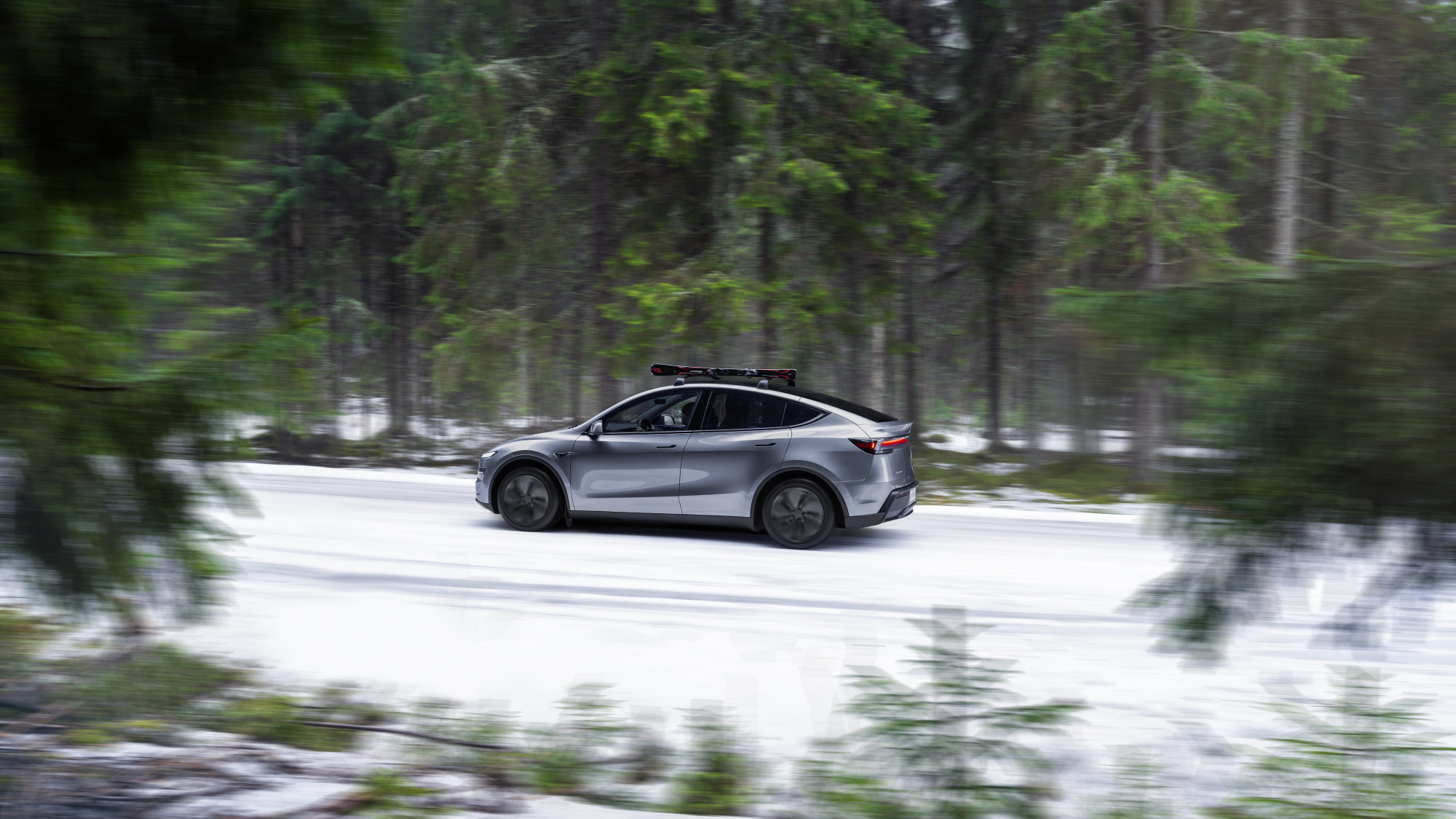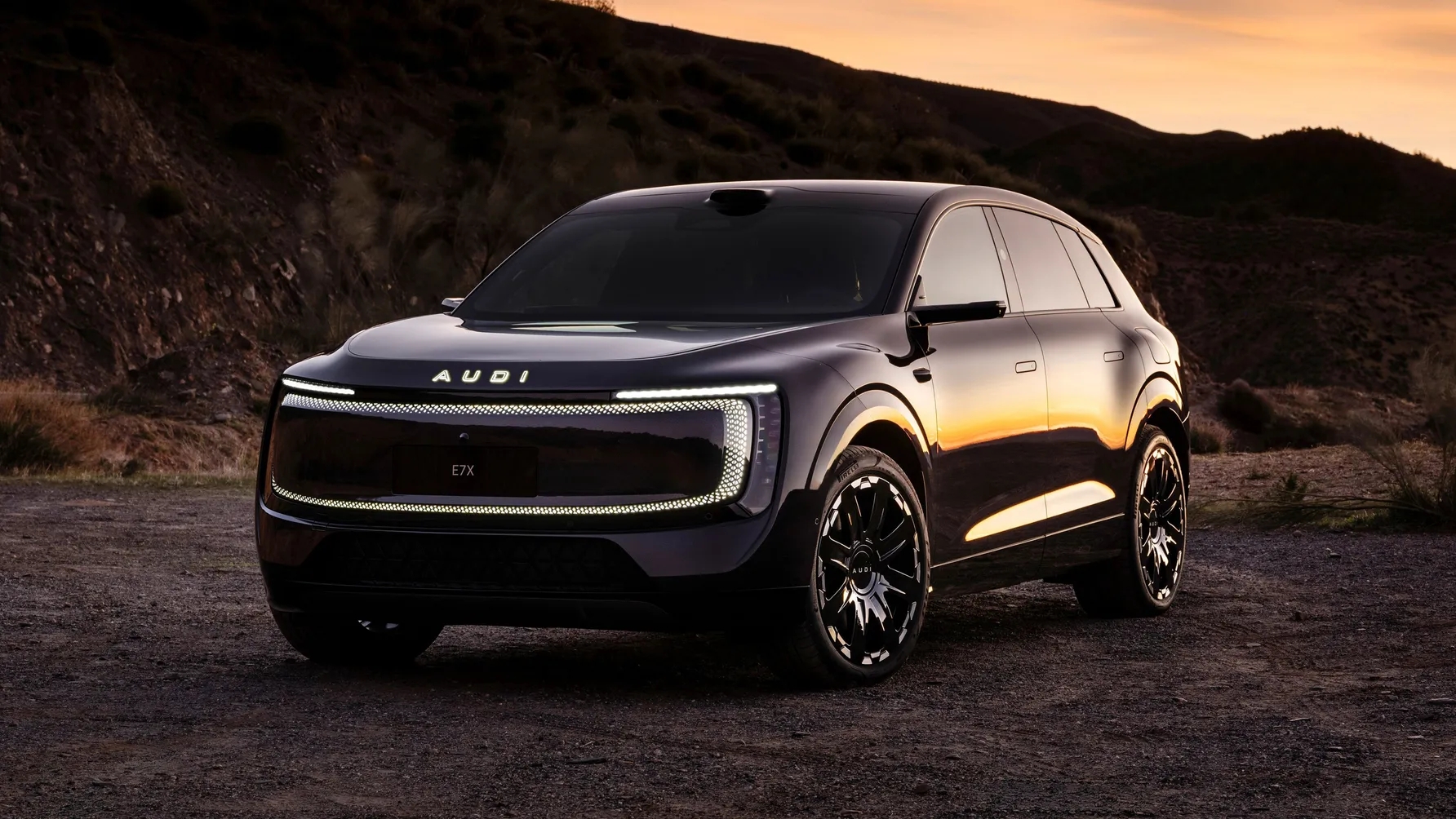
The Super EREV trend, featuring over 400 km EV range, gains momentum as suppliers innovate, though mainstream adoption remains cautious.
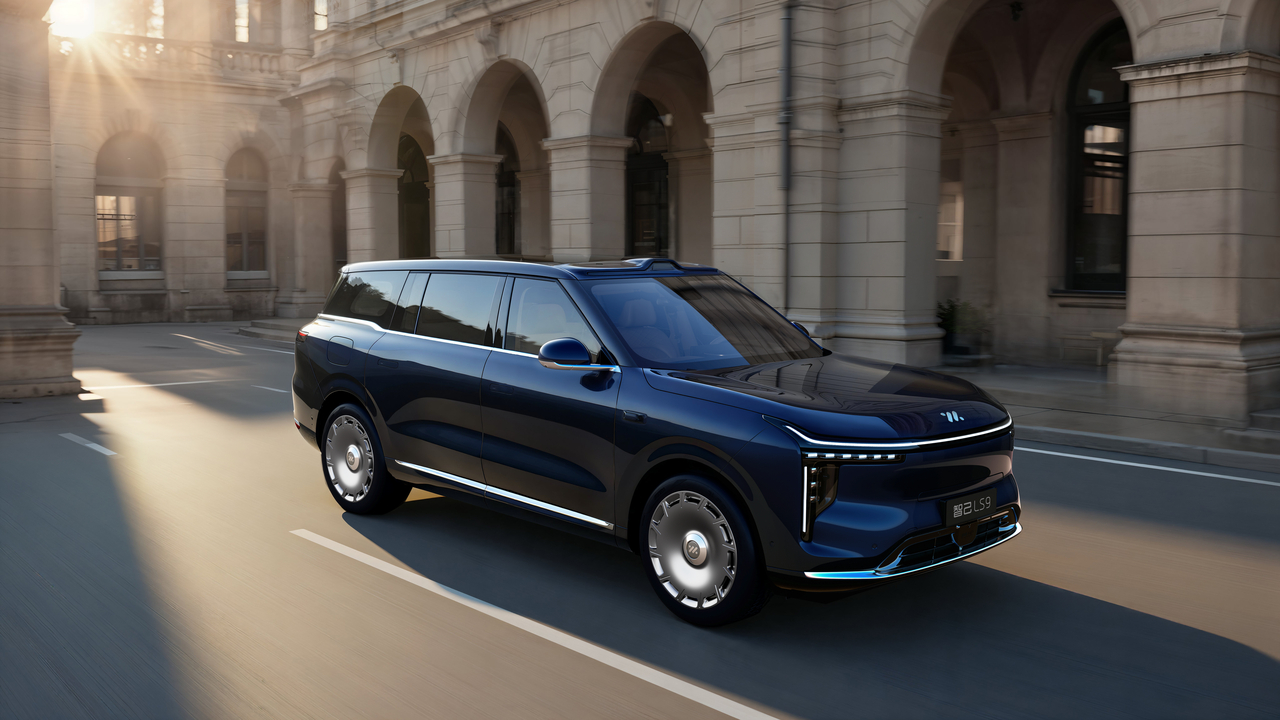
In late July, IM Motors announced that its new LS9 model, as a range-extended vehicle, had achieved a pure electric range of 450 km under CLTC conditions.

In response, some social media users commented that range-extended models now offer pure electric ranges comparable to early pure EV SUVs. This means that pure electric range in these vehicles is no longer just a “nice-to-have” feature but a practical solution for frequent short- to medium-distance commuting.
For this technical route, automakers have coined a more vivid term—Super Range Extender.
Moving into 2025, the “super range extender” or “super hybrid” technology path is being seen as a key strategy for mid-tier automakers to challenge industry leaders.
The pure electric range of “super range extender” systems has gradually increased from over 300 km at the beginning of the year to 450 km now. The upcoming XPeng “G01” range-extended SUV and the Xiaomi “Kunlun” range-extended SUV, currently in road testing, are also rumored to offer over 400 km of pure electric range.
Interestingly, however, the best-selling range-extended SUVs on the market—Li Auto and AITO—haven’t followed this trend, and their sales remain unaffected so far.
So is the “super range extender (PHEV)” system truly a tool for leapfrogging competitors—or just an unnecessary cost burden?
To understand this series of questions, we must start with the original motivation behind this path.
A Product of the Times?
Why add larger batteries and extend pure electric range in range-extended or PHEV systems? Automakers offer varying explanations.
Mismatched Demands
When Hyptec launched the HL at the beginning of the year, they stated: “User research shows that most range-extended owners find it hard to go back once they’ve experienced pure electric driving. They want longer electric range, while fuel-based range is kept as a backup for long-distance travel.”

He Xiaopeng, CEO of XPeng, said that the launch of the Kunpeng power system was aimed at accommodating global markets—some regions still lack robust charging infrastructure, so refueling remains mainstream.
Also, XPeng’s strength lies in pure EV systems, so besides long range (430 km CLTC), Kunpeng also emphasizes 5C fast-charging capabilities.

Similarly, Zeekr didn’t specifically mention infrastructure issues at the launch of its 9X model but made it clear that they aim to combine the advantages of both EV and hybrid systems into a “have-your-cake-and-eat-it-too” solution.
Zeekr 9X’s “SEA-S” architecture features a 380 km pure electric range and supports 6C fast charging. With such specs, Zeekr believes there’s no longer a need to launch a separate EV version—the “super hybrid” system is sufficient to deliver both experiences.

Putting these three brands’ statements together, we can summarize the core motivations behind the rise of “super range extender/hybrid” systems:
- Address user pain points around pure EV range that current mainstream PHEVs/EREVs in 2024 still can’t solve;
- Use large batteries and long electric range as a differentiation strategy to turn their late-mover disadvantage into a competitive edge.
Ultimately, it’s all about secondary innovation to open up new paths beyond existing EREV/PHEV frameworks.
Hidden Push Factors
Beyond automakers’ own strategies, the rise of “super range extender” tech in 2025 is also driven by suppliers.
In October 2024, CATL launched the Freevoy battery, a “super range extender” battery platform that laid the foundation for these vehicles.

The Freevoy battery features two key technical capabilities: 400 km-level pure electric range and 4C-level charging speed, with customizable parameters for each OEM.
First-wave partners included Li Auto, Avatr, and Deepal.
The Avatr 12 EREV, the first vehicle with this battery, showcased its flexibility—with a 39.05 kWh pack, 245 km of electric range, and 3C charging, lower than the official standard.
The Lynk & Co 900 used a 52 kWh version with 280 km range, still 3C charging.
The Hyptec HL used a 60 kWh version with 350 km range and 5C charging.
As for the IM LS9, it features a 66 kWh battery whose manufacturer has not been confirmed, but IM stated it received CATL’s technical support. It also adopts an 800V architecture and supports 5C charging.

Zeekr 9X’s “super hybrid” solution is based on Geely’s “Aegis Gold Brick Battery”. No matter the supplier, the rise of “super range extender/PHEV” systems is clearly built on a matured supply chain.
From the supply side’s view, this creates a new battery product category, potentially opening new growth curves for top suppliers.
With automakers and suppliers aligned in need and ambition, super EREV/PHEV systems are becoming inevitable.
How Do Loyal EREV Users View This?
But here’s the catch—since early 2024, these new vehicles with 300+ km electric range haven’t set the market on fire.
“Long Electric Range ≠ Good Sales”
A look at the top-selling EREV models of the past six months still shows familiar names: Li Auto and AITO dominate.

Only by the eighth position do other brands show up—Deepal S07, Avatr 07, and Leapmotor C16.

Leapmotor C16, 10th place among ERVs, has sold 16,700 units. The Hyptec HL, with a 350 km electric range and a longer time on the market, sold just 1,280 units, far from top-tier levels.

Another “super PHEV”, Lynk & Co 900, did slightly better—with 14,600 units sold since deliveries began in March. But it ranks only 33rd overall, far from market-leading.

Clearly, adding the word “super” doesn’t automatically guarantee sales.
Possible reasons: 300 km+ range still not attractive enough, or brand power too weak to influence buyer behavior.
Notably, Li Auto has refreshed all its models in 2024, yet the 2025 L6, L7, L8, and L9 did not follow the 300+ km range trend.
At Auto Shanghai in April, Li Auto VP Liu Jie commented on competitors’ “super range extender” moves: “If we just follow what others do instead of user needs, we’ll always be focused on rivals, not customers.”
In other words, limiting range to a certain level is also a form of user-centric design. Perhaps “long electric range” is actually a niche demand.
AITO seems to agree.
The 2025 AITO M9 saw a slight range boost—but still stayed under 300 km.
The new flagship M8—No. 4 in EREV sales—only slightly exceeds 300 km: both the Max+ and Ultra trims offer 310 km electric range.
Against 350+ or even 400 km models, that advantage is limited.
These choices by Li Auto and AITO reflect their assessment: breaking 300 km is not a decisive sales factor right now.
Finding the Sweet Spot
Is a longer range always better? Beyond market results, ChinaEV Home also surveyed current EREV users.
Li Auto L8 owner Mr. Li said he understood that larger batteries increase both vehicle weight and long-term maintenance costs.
“Bigger batteries mean heavier cars and higher fuel consumption on highways. Also, if something goes wrong with the battery in the future, repairs might be expensive.”
He emphasized finding the right balance for range—“Too short is definitely not acceptable,” he said, dismissing models that only offer ~100–200 km.
That’s why he picked the 2024 Li Auto L8 Max, which offers 280 km CLTC pure electric range. He uses EV mode daily for commuting.
He supports having a longer electric range but says “there’s no need to go overboard.”
Concerns include battery degradation, repair costs, and higher prices that might defeat the value proposition of EREVs.
He believes the “sweet spot” lies between 300 and 400 km, beyond which the incremental benefit fades.
AITO M7 owner Mr. Kang shares a similar view. He expected to use electric mode for daily commutes and gasoline for longer trips.
“EV mode is smooth and cheap to run, but I already knew I didn’t need more range. As long as it covers my commute, I’m good.”
He owns the 240 km version, which in practice delivers around 150+ km—enough for daily use, especially with home charging. He wouldn’t pay more for longer range.
“If I really needed that much electric range, I’d just buy a pure EV. A 50–60 kWh battery isn’t cheap either, right?”
Trend or Outlier?
Considering sales and user feedback, the market seems cautious about “super EREV/PHEV” models with large batteries.
With leading players like Li Auto and AITO staying put, it’s hard to call this a definitive trend yet.
The real reason may be that this is not a top-down tech wave, but a bottom-up move by mid-tier players trying to leapfrog.
Such “wildcard strategies” carry high uncertainty—some may succeed (like ADAS), but many (like cabin gadget ecosystems) have flopped.
Right now, the long-range super EREV/PHEV market remains tepid, but the disruptors haven’t launched yet.
Xiaomi and XPeng’s upcoming SUVs may shake things up with stronger brands and more appeal. Likewise, the upcoming Zeekr 9X and IM LS9, if priced right, may become blockbusters.
After all, 400 km electric range could be a turning point, shifting EV mode usage from “occasional” to “mainstream”.
And with charging upgrades—800V architectures and 3C+ charging—this tech combo might even pressure pure EVs and reshape the market.
As battery costs fall and energy efficiency improves, longer range at the same capacity is foreseeable.
But automakers face a choice: keep increasing battery size for longer range, or shrink battery size to reduce cost while keeping range “good enough.”
Battery lifespan may become a key consideration too.
For example, a 40 kWh battery will cycle twice as often as an 80 kWh pack for the same mileage, and fewer cycles mean longer lifespan.
So automakers must decide: big batteries offer longevity but cost more; small ones are cheap but wear faster.
In the end, the fate of the super EREV/PHEV lies with the users.
Would you pay for it?
Discover more from ChinaEVHome
Subscribe to get the latest posts sent to your email.