A crash video involving the Li Auto i8 sparked controversy. Dongfeng Liuzhou Motor says its Chenglong truck footage was used without permission and distorted—calling it a serious infringement beyond fair competition.
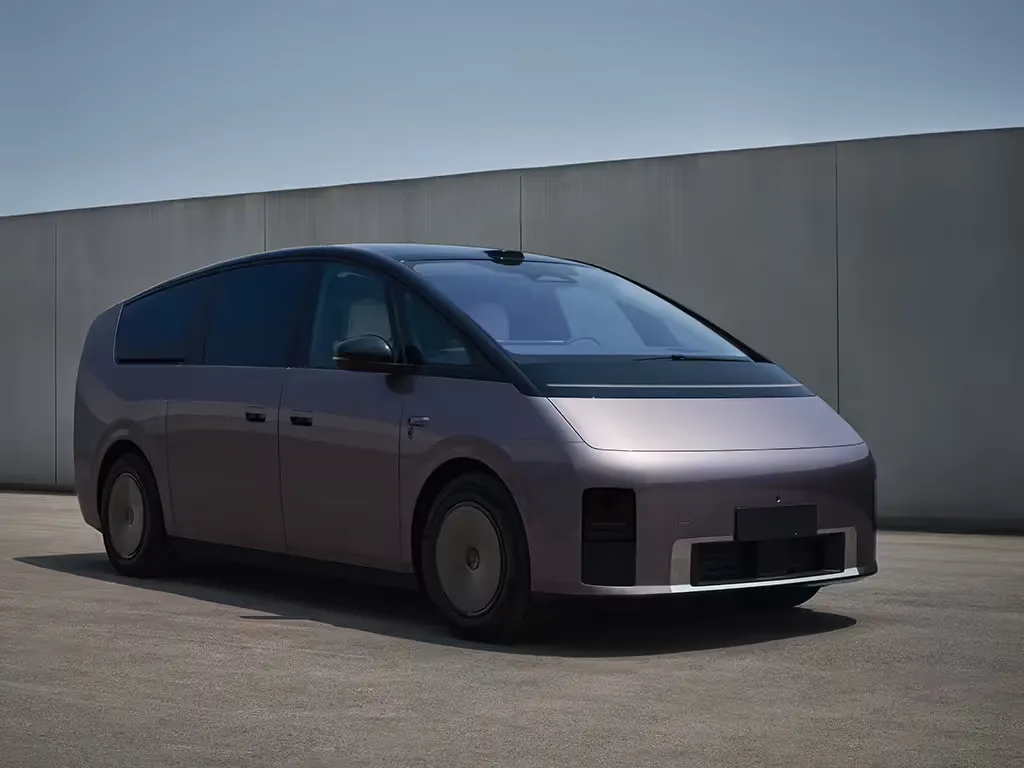
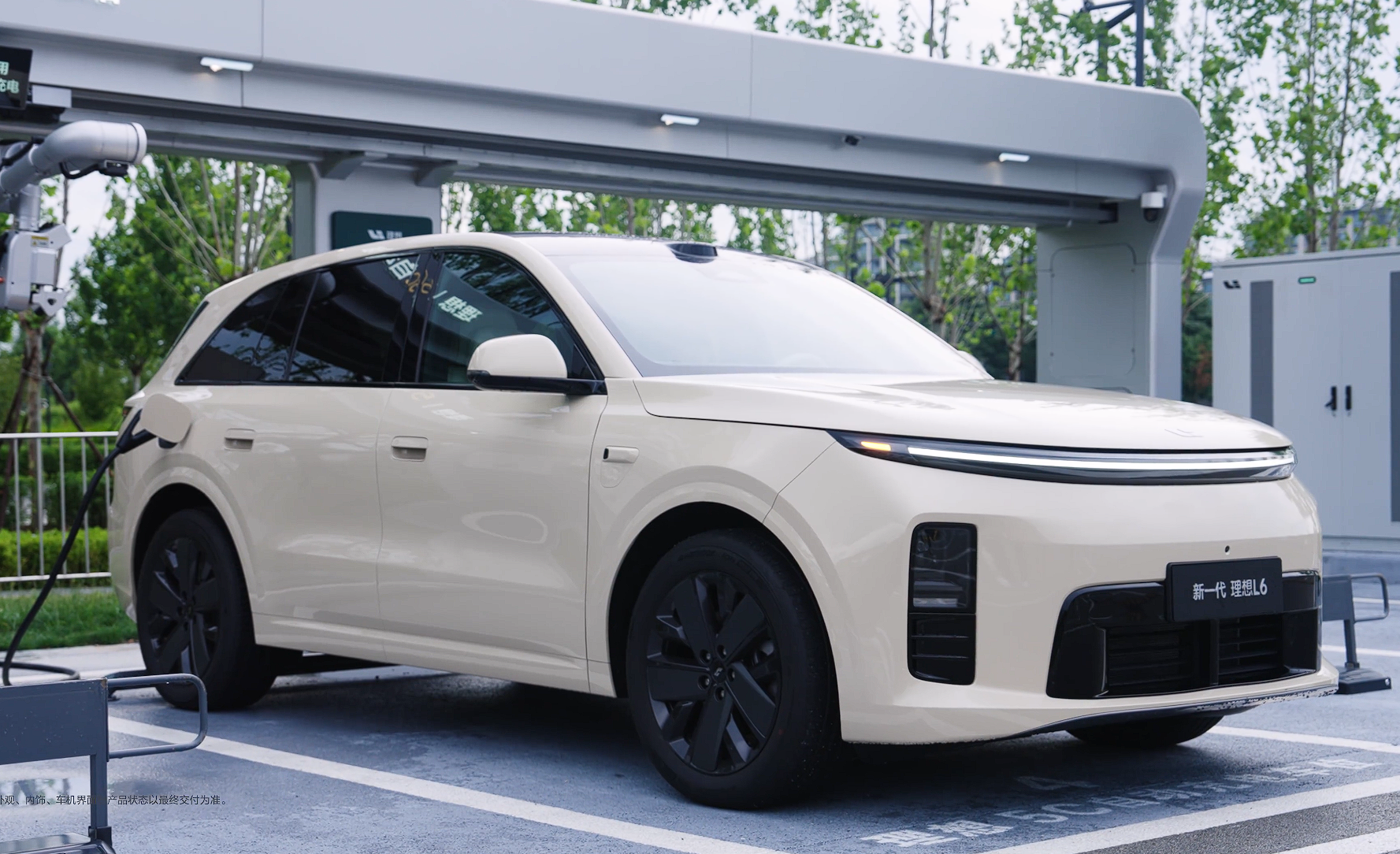
On the evening of July 29, Li Auto officially launched its first all-electric SUV, the i8, with a starting price of ¥321,800 ($44,400).
Unexpectedly, it wasn’t the vehicle specs or pricing that took the spotlight—but rather a dramatic crash test showcased during the launch event.
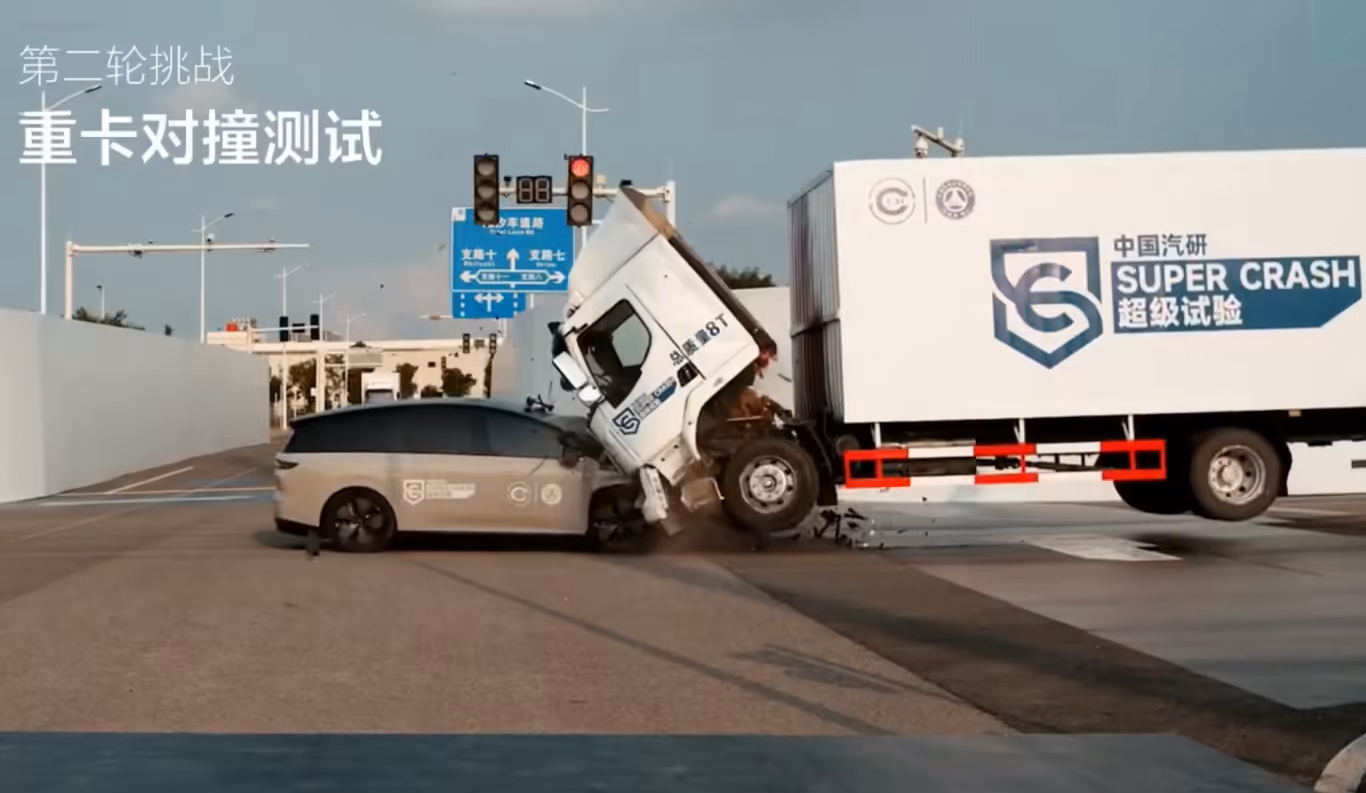
As part of a demonstration highlighting the i8’s passive safety performance, Li Auto aired footage of a head-on collision between the i8 and a mid-size delivery truck at a combined impact speed of 100 km/h.
In the footage, the i8 appeared to come out on top: its A-, B-, and C-pillars as well as its door beams remained structurally intact, while the truck was visibly lifted off the ground and suffered significant cabin deformation.
The visual impact of the test quickly went viral on Chinese social media, with netizens expressing shock that a passenger SUV could seemingly outperform a larger, heavier commercial truck in a crash scenario.
In response to the uproar, Dongfeng Chenglong commented online, calling the scene “a setup” and “clearly fake.” The company later confirmed that it would investigate the matter internally.

As public speculation mounted, all three parties involved—Li Auto, CAERI, and Dongfeng Chenglong—issued official statements between July 30 and July 31 in an attempt to clarify the situation.
In response to mounting criticism, Dongfeng Liuzhou Motor Co., the parent company of Dongfeng Chenglong, issued a formal statement on July 31. It alleged that the use of its vehicle’s likeness in the Li Auto i8 launch event constituted a “serious infringement,” causing significant reputational and commercial harm.
Dongfeng Chenglong: “Illegal and Infringing”

Dongfeng further argued that the test lacked transparency, noting that the condition of the truck involved had not been disclosed. The company suggested the truck may have been modified, stripped of key components, improperly assembled, or failed to meet regulatory compliance—all factors that could skew the results. They also called the test scenario an “atypical, specially designed setup” that could mislead the public due to its deviation from standard testing protocols.
Despite the stern tone, Dongfeng did not clarify whether legal action would follow.
Li Auto: “We Specified Nothing”
Later the same evening, Li Auto released its own statement. The company emphasized that the crash test was meant to simulate a real-world, head-on traffic scenario and was commissioned in full by a third-party testing agency. Crucially, Li Auto asserted it did not specify the make or model of the opposing vehicle, nor did it control the test environment, timing, or location.

Keen-eyed viewers had already noted the logo of China Automotive Engineering Research Institute (CAERI) on the truck in the crash footage.
CAERI and Li Auto entered into a strategic partnership in late 2024, which raised concerns over potential bias or lack of objectivity in the testing process.
CAERI: “Test Followed All Protocols”
CAERI, the testing institution involved, also issued a statement on the evening of July 31. It claimed the test adhered strictly to all relevant procedures and standards, and affirmed that no modifications were made to the truck.

However, when pressed by journalists to specify which standards applied, CAERI staff were unable to provide a clear answer. They further clarified that the crash test was not part of any mandatory government-approved safety certification, but rather a supplementary simulation commissioned by the client.
In China, production vehicles must pass a suite of compulsory safety tests, while additional voluntary protocols—such as the updated 2024 C-NCAP (China-New Car Assessment Program) or C-IASI (China Insurance Automotive Safety Index)—offer further guidance. According to Li Auto, the i8 meets the “five-star” criteria under the latest C-NCAP and earns top-tier G+G+G+A ratings under the C-IASI 2023 framework.
Still, a head-on collision with a delivery truck at 100 km/h is well outside the scope of any mandatory testing regime in China.
Discover more from ChinaEVHome
Subscribe to get the latest posts sent to your email.