Volvo XC70’s new infotainment system blends Scandinavian design with modern AI, aligning with Chinese EV standards and improving UX intuitiveness.
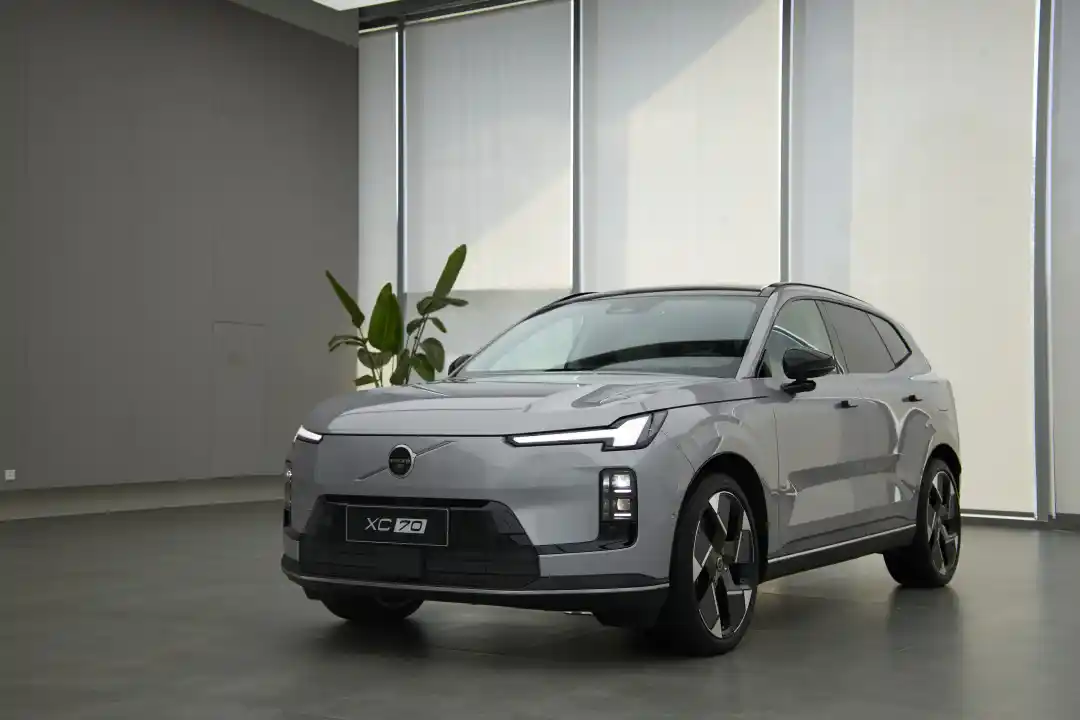
XC70 represents a completely new direction within Volvo’s lineup.
It features a new product definition, new exterior design, new powertrain, and, importantly, Volvo’s latest smart vehicle systems.
While ADAS features remain undisclosed, ChinaEVHome had an early look at the XC70’s intelligent cockpit during a private media session hosted by Volvo.

The smart cabin — the primary interaction channel between occupants and vehicle — greatly shapes users’ perception of vehicle intelligence.
Earlier Volvo models used deeply customized Android Automotive 10 (VolvoCars.OS), which by today’s standards lags behind leading Chinese EV brands in user interface design.
As the XC70 is built for China, its cockpit must follow local design trends and user expectations.
Volvo told ChinaEVHome that this infotainment system is fully self-developed. Still, the experience reveals influences from successful user-tested designs.

This “borrowing” is not a negative — it brings better visual consistency aligned with Scandinavian aesthetics.
With this cabin upgrade, expectations for the XC70 have risen further.
Visuals: A Continuation of Nordic Design
Visual overhaul is a key highlight of the new cockpit system.
Volvo says the UX follows Scandinavian design principles — clean and direct visuals that enhance communication efficiency.

Volvo highlights “line-drawing design” as a visual keyword.
Blueprints and sketches exemplify this minimalism, and it’s now applied to XC70’s interface.
The climate control interface uses pure line strokes — even simpler than traditional 3D skeuomorphism or flat design.

Submenus use the same line-drawing style with subtle animations, delivering a sense of sophistication distinct from most Chinese brands.

The color palette is cool gray, evoking calmness — in line with Volvo’s safety-first philosophy.
From the perspective of design psychology, cool-toned colors are less likely to evoke emotional responses. In a way, this might align with Volvo’s core philosophy behind the vehicle’s interface design: putting safety first, as always.

When it comes to the topic of “safety,” it mainly relates to the interaction system of the new in-car infotainment system.
Interaction: Intuitive and User-Friendly
Volvo says the new system features intuitive gestures, fast response, and supports personalization and shortcuts. This helps reduce driver distraction, enhancing safety.
However, this kind of interactive experience has already become the mainstream among current Chinese new energy vehicles. In other words, the XC70’s all-new infotainment system has reached the industry’s mainstream level in terms of interaction design.
Unlike previous Volvo models, the XC70’s cabin significantly reduces the number of physical buttons. The 15.4-inch central control screen has become the sole touchpoint for passengers to interact with the vehicle’s system.
Alongside a cockpit design philosophy that aligns with current market trends, the interaction logic of this central control screen also heavily references modern user habits.
For example, swiping down on the home screen brings up a quick access panel, with a sidebar and dock bar that house various control shortcuts. It also comes with an app store, allowing users to download a limited selection of apps. Some non-essential apps are stored in an app drawer.

Other interaction layers involve virtually no learning curve. Users can easily locate the vehicle settings and quickly configure the car by following clear on-screen instructions.
Moreover, this new infotainment system features a voice assistant powered by an integrated AI large language model. Like many systems in vehicles from emerging automakers, users can swiftly access desired settings or directly adjust vehicle configurations through voice commands.
If you’ve had prior experience with vehicles from new energy brands, switching to the XC70 should feel quite “seamless.” However, for traditional internal combustion engine vehicle owners or longtime Volvo users, this tablet-like new infotainment system may take some getting used to.
This presents another challenge for Volvo—how to build an effective onboarding experience that helps legacy users get familiar with the system quickly.
Features: Basics Covered, Specialties Lacking
Finally, let’s take a look at the functionality of the new in-car system. The conclusion is straightforward: while the basic functions are largely in place, the number of unique or entertainment-oriented features remains limited.
The “basic functions” include high-frequency daily-use features like map navigation, music playback, and voice assistant services.
On the XC70, the new system comes with built-in Amap and supports a “Map Desktop” mode, allowing for quick and intuitive navigation operations. The version of Amap included is also the latest, and the company claims it supports popular features such as traffic light countdowns and lane-level navigation—offering a user experience comparable to that of EV startups.

As for music apps, users can choose from popular platforms like QQ Music and NetEase Cloud Music. While this may be standard fare for mainstream new energy vehicles, for Volvo it marks a notable leap in basic user experience.
The voice assistant has seen even greater improvements. The all-new “XiaoWo Assistant” is powered by a large AI model, significantly enhancing its voice comprehension capabilities.

During our test drive of the XC70’s new in-car system, ChinaEVHome also briefly tried out the new voice assistant. It was able to quickly recognize and execute corresponding commands—such as adjusting the air conditioning or windows—and demonstrated a decent understanding of continuous contextual dialogue. It could even carry out 4 to 5 consecutive commands in a single request.
From this brief trial, the takeaway is that the XC70’s in-car system is largely on par with those of EV startups when it comes to core functionality.
However, compared with new energy brands that have undergone multiple iterations of their infotainment systems, Volvo’s current version still lags behind in terms of unique features and entertainment offerings.
The currently available “special features” include Rest Mode, Scenario Assistant, and a Charging Map. Features that are commonplace on EV startup vehicles—such as in-car karaoke (KTV) or customizable function programming—are not yet supported.

Volvo told ChinaEVHome that future OTA (over-the-air) updates will gradually bring more features to this infotainment system. We can look forward to seeing whether Volvo will be able to respond quickly in terms of software upgrades and keep pace with the competition.
Familiar Yet Fresh
At this point, it becomes clear that the highlight of Volvo’s brand-new infotainment system doesn’t lie in delivering any groundbreaking technologies, but rather in refining the fundamental user experience while staying true to its established design aesthetics—and catching up with its competitors.
Judging by the infotainment system alone, the change may not quite qualify as a dramatic “elephant turn” narrative, but it does reflect Volvo’s ability, as a traditional automaker, to make agile adjustments in response to the challenges of the new energy era and the unique dynamics of the Chinese market.
Moreover, this can be viewed within the broader context of the XC70 as a whole—the infotainment system represents just one slice, a sample, of Volvo’s adaptation to the electric age.

As previously mentioned, although this vehicle carries the name “XC70,” its definition, architecture, and inner workings are all results of a new strategic vision.
Starting with the transformation of the infotainment system, we can glean broader insights into the XC70’s overall evolution. This is likely to be a product that better aligns with mainstream expectations while also preserving a distinctive sense of taste.
A small step for the infotainment system is also a big step for Volvo’s electrification journey.
Discover more from ChinaEVHome
Subscribe to get the latest posts sent to your email.