This interview revolved around Leapmotor’s overseas operations, upcoming vehicle plans, technical strategy, and product performance.
On August 29, the 28th Chengdu International Auto Show officially opened, featuring nearly 120 automotive brands and over 1,600 vehicles on display.
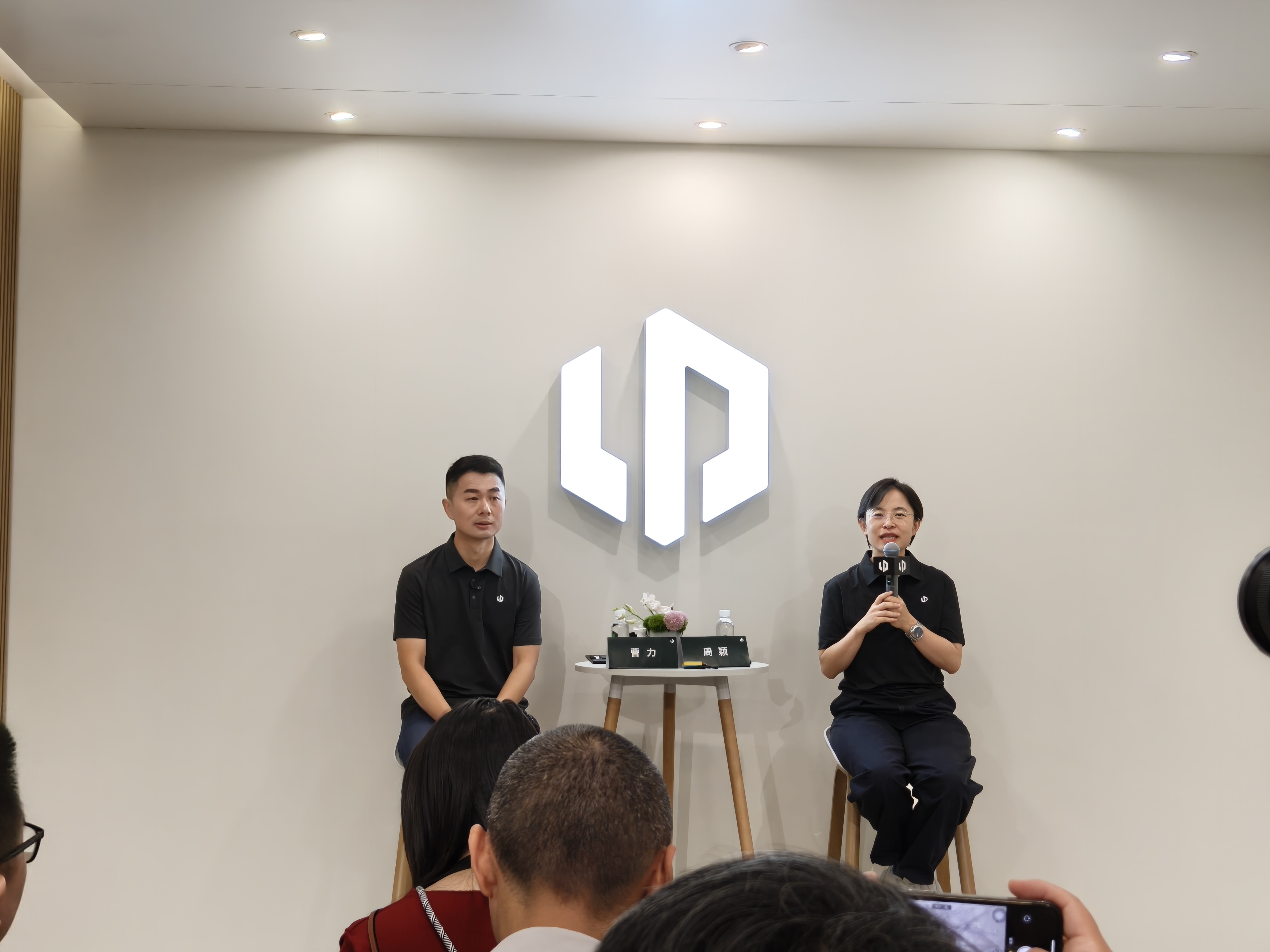
During the event, Leapmotor co-founder Cao Li and Head of Overseas Operations Zhou Ying spoke to the media, addressing topics including overseas expansion, new model plans, autonomous driving strategy, and product performance.
The following summarizes the key points from the group interview. A full Q&A transcript is attached in the latter part of the article.
Overseas Expansion
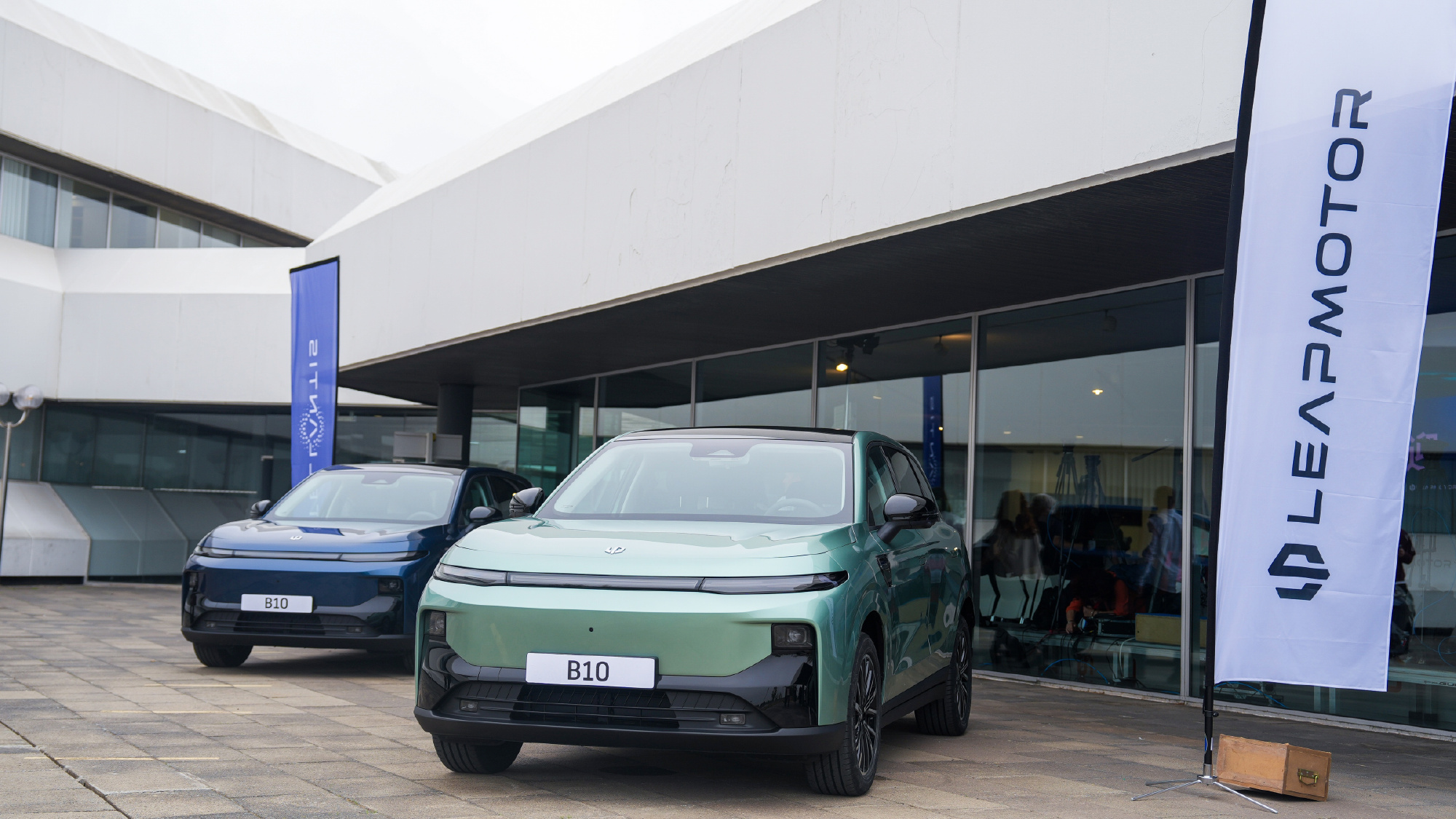
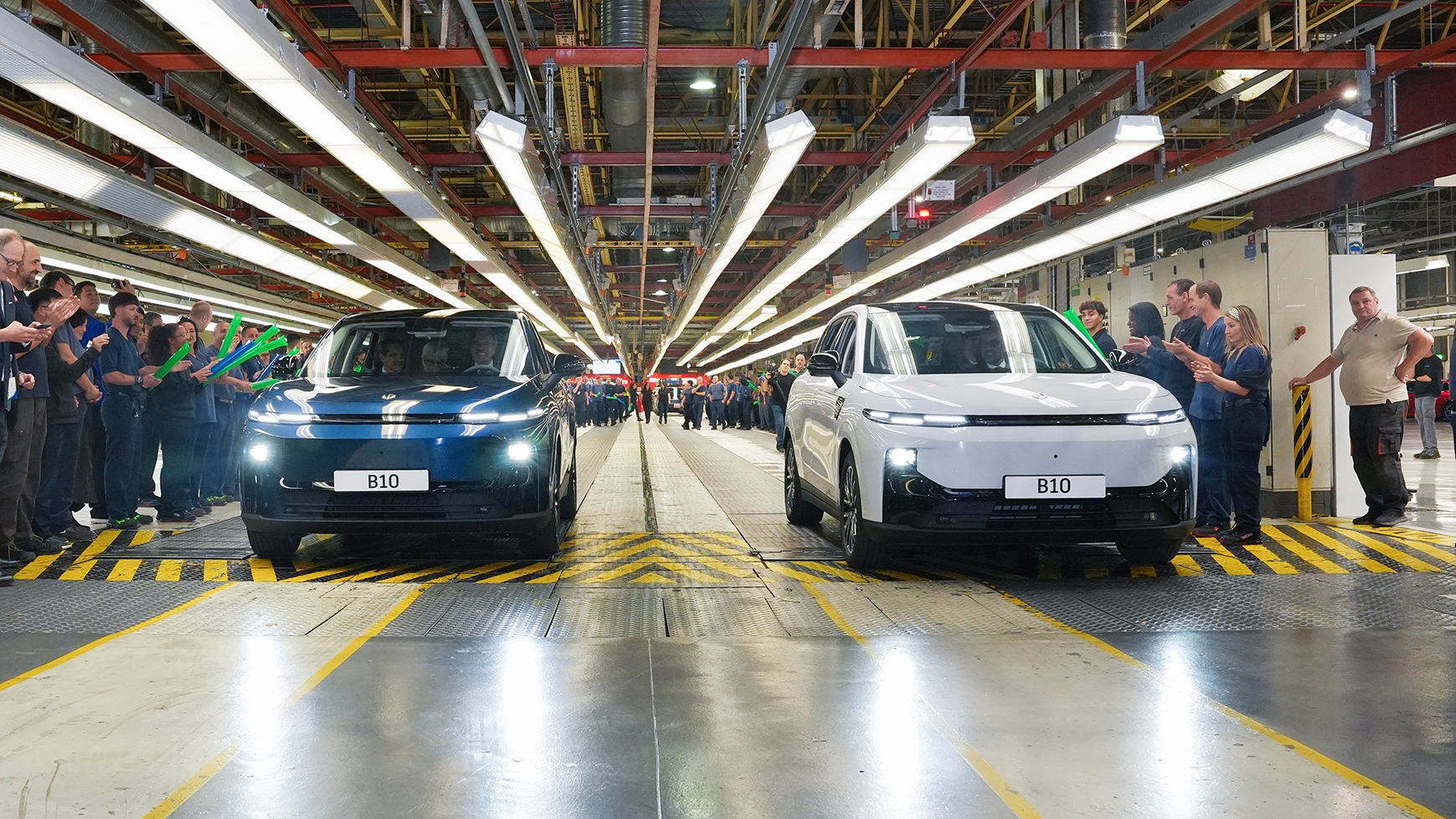
Regarding overseas markets, Leapmotor is accelerating local production and market deployment. Cao Li revealed that the company plans to start localized production of the B10 and subsequent new models in Spain next year to meet local taxation and market demand.
Zhou Ying noted that through partnerships, Leapmotor has established nearly 600 stores across Europe, gaining initial recognition. However, she emphasized that the brand still needs to impress rational consumers with its products and gradually build brand identity. Leapmotor will continue accelerating the introduction of overseas models, including the upcoming B01 debut at the Munich Auto Show.
On the topic of overseas strategy, both Cao Li and Zhou Ying stressed that long-term accumulation is essential. Beyond product and technology, Leapmotor is also focusing on distribution channels and consumer behavior, highlighting the importance of balancing scale expansion with market responsiveness.
New Model Plans
In terms of new product planning, Leapmotor is advancing the D-series models, positioned in the RMB 250,000–300,000 ($34,800–41,800) range, targeting both the domestic premium market and overseas growth potential.
Cao Li explained that the D-series will offer six- or seven-seat configurations, combining comfort with practical space, aiming to compete with traditional models in the RMB 500,000 ($69,600) segment. The new models will be unveiled in Q4 this year and officially launched in the first half of next year.
Zhou Ying highlighted that Leapmotor’s full-stack self-developed technology provides the capability to support upward product development.
Autonomous Driving Strategy
Regarding autonomous driving, Cao Li stated that Leapmotor has increased investment over the past two years, pre-installing hardware while iterating software. He expressed confidence that the company will reach the industry’s first-tier level by the first half of next year.
He reiterated that Leapmotor remains committed to self-developed ADAS and core technologies, avoiding over-reliance on external suppliers while remaining open to selective collaborations.
Product Performance
Leapmotor’s B-series and C-series continue to drive sales. Zhou Ying revealed that sales of the B01 exceeded 10,000 units in its second month, indicating that technical development and brand reputation are beginning to generate scale effects.
Cao Li added that the company will maintain a multi-tier product lineup to ensure balanced domestic and overseas sales, with overall sales expected to surpass one million units next year.
Full Q & A Record
Q1: When will Leapmotor’s autonomous driving reach the first tier?
Cao Li: Our investment in the past two years has increased significantly. Strategically, we pre-embed as much hardware as possible while continuously iterating software. When will we reach the first tier? I’m confident that by the first half of next year, we can achieve first-tier capability.
Q2: How should the brand image be shaped and strengthened in international markets?
Zhou Ying: Leveraging partnerships, Leapmotor’s growth has been rapid, and in Europe we have nearly 600 stores. Regions like Germany have also given very positive feedback. There are no shortcuts in brand building; domestically, product quality has always been the primary driver.
Frankly, Leapmotor is still a relatively unknown brand overseas. In developed markets, consumers are more rational. We need our products to make an impact, and the key remains full-stack in-house R&D and providing high-quality, affordable offerings.
Q3: How is the progress of localized production in Europe?
Cao Li: The plan to build a factory in Spain is accurate. We aim to localize production of the B10 and subsequent new models next year. This leverages our partnership with S, meeting local tax and market requirements while maintaining competitiveness.
Q4: Has Leapmotor considered introducing suppliers?
Cao Li: Our principle remains to insist on in-house R&D. That won’t change. However, if more open collaboration opportunities arise, we are open to exploring them. Leapmotor has always maintained an open attitude toward partnerships.
Q5: How do you differentiate between models?
Cao Li: We don’t have a B05 model. The next launch will focus on more personalized models with entirely new naming. Between B and A segments, particularly in overseas markets, distinctions are clear. Leapmotor will make targeted adjustments accordingly.
Q6: What can you share about the D-series models?
Cao Li: The D-series targets the 250,000–300,000 RMB ($34,800–41,800) range. Traditionally, this approaches luxury pricing. Domestic budgets and mainstream price segments are gradually rising. We are confident the D-series can achieve substantial sales volume and compete with traditional 500,000 RMB ($69,600) vehicles.
Our brand strength has always been built on product quality and reputation, gradually accumulated over time. Leapmotor has the product capability to support upward brand positioning.
Q7: What is the approach and methodology for overseas expansion? What are the main concerns for overseas dealers?
Zhou Ying: First, introducing products like the T-series and C-series this year has gained recognition. Our partnership with S has been critical to rapidly enhancing capabilities.
Leapmotor International was established last year and has already achieved good results quickly. Next, we will accelerate localized production. MG is a good example; although MG is originally a British brand, Leapmotor has differences, and we rely on products and time to bridge the gap.
We will also accelerate the introduction of models, including announcing the B01 at the Munich Auto Show. Domestic and overseas teams will need to adapt, but fundamentally, we respect overseas consumer behavior.
Cao Li: Overseas market development requires long-term accumulation. As a Chinese brand abroad, Leapmotor must understand the differences in foreign markets. Entering overseas markets requires more than storytelling; products and market actions are essential, progressing step by step.
Q8: How has Leapmotor succeeded as a latecomer?
Cao Li: The key lies in adherence to technology and product philosophy. We enhance quality and experience through in-house R&D. Channel development is also crucial. Overall, Leapmotor is pragmatic, making steady progress step by step.
Q9: What about the cooperation with Huawei?
Cao Li: Previous cooperation focused on apps. Currently, in-cabin and autonomous driving technologies remain 100% self-developed by Leapmotor.
Q10: Recent changes in capital—what’s your view?
Cao Li: Internally, we don’t discuss stock prices much. Long-term performance matters more; good sales naturally support stock value. Regarding cooperation with FAW, online rumors are unreliable. Any updates will come via official announcements.
Q11: Any comments on large three-row electric SUVs?
Cao Li: Creating entirely new, blue-ocean markets is unrealistic. But as consumer demand evolves with rising incomes, there is increasing interest in larger, multi-seat vehicles.
For Leapmotor, designing a vehicle must meet user needs. The D-series addresses this with six- and seven-seat options, debuting in Q4 this year and launching in the first half of next year.
Q12: What about the new joint company with CASIC? Any battery-swap plans?
Cao Li: There are no significant battery-swap plans at the moment.
Q13: Why was Leapmotor absent at the Volkswagen Jetta signing event?
Cao Li: It’s unrelated to us; we are FAW Hongqi.
Q14: The ROI on in-house autonomous driving is generally low. Why insist?
Cao Li: This is a medium- to long-term strategy. Despite varying ROI across other OEMs, Leapmotor is confident in achieving good results. Our in-house technology is ahead of the industry in many aspects.
Q15: How do you balance manufacturing and partnerships overseas?
Cao Li: Overseas, we cannot manufacture 100% ourselves. Costs are high, especially in Europe. Leapmotor balances economics, ensuring profitability, while leveraging advantageous supply chains for certain components.
Q16: How do you view rapid domestic market price changes?
Cao Li: Market fluctuation is normal in a competitive environment. A positive trend is that competition now focuses on technical capability and innovation, rather than solely low prices.
Q17: How do you evaluate B01 sales and competitiveness?
Cao Li: We design the B01 with product definition, styling, color, chassis, and smart features tailored to young users. In the 100,000–120,000 RMB ($13,900–16,700) segment, B01 remains highly attractive.
Zhou Ying: B01’s second-month sales exceeded 10,000 units, reflecting accumulated technology and reputation achieving scale effects.
Q18: China’s NEV market is increasingly polarized. Will there be higher-end models?
Cao Li: The D-series won’t chase high profit like traditional luxury cars. The aim is to provide vehicles valued at 500,000 RMB ($69,600) while priced at 250,000–300,000 RMB ($34,800–41,800).
Q19: Gross margins are relatively low compared to new entrants. What’s the outlook?
Cao Li: Pricing is cost-based, not focused on high margins. Our global strategy emphasizes scale, with reasonable gross margins (14–15%) to ensure stable growth.
Q20: Is LiDAR really necessary?
Cao Li: LiDAR’s value lies primarily in providing redundancy for safety scenarios.
Q21: How do you balance localization and export?
Cao Li: Localization is essential. Overseas expansion requires rapid response to local policies and consumer needs. Whether export or local production is better depends on circumstances, but fast adjustment is crucial.
Q22: Does a new model imply adjustments in the product lineup?
Cao Li: Our lineup is largely complete, but we are exploring personalized options. The new model is simply not called 05; details will be revealed at the Munich Auto Show.
Q23: How is pricing strategy for overseas models—scale first or profit?
Cao Li: Scale comes first, but margins also matter. Specific pricing depends on competition.
Q24: With stable gross margins, can they increase further beyond car sales?
Cao Li: Components and partnerships can supplement margins, but selling vehicles remains primary. As Leapmotor’s technology leads, it can attract more partners, creating a secondary margin growth curve.
Q25: Will B-series support second-half sales? How to project next year’s sales?
Cao Li: The B and C series account for the bulk of sales, while the A and D series are not niche markets—they simply sell in relatively smaller volumes. To reach the overall target, sales across all four price segments (A, B, C, and D) must meet expectations.
To achieve one million units annually, average monthly sales need to be roughly 30,000 units for the B series, 40,000 units for the C series, and 30–40,000 units combined for the A and D series. At this pace, total sales next year are expected to exceed one million units.
Discover more from ChinaEVHome
Subscribe to get the latest posts sent to your email.