BYD’s global sales increased by 27% year-on-year, totaling 2.49 million units; although its net profit rose by 13.8% year-on-year, its second-quarter profit fell by nearly 30%. The escalating competition and market pressures may pose challenges to BYD’s 2025 annual sales target of 5.5 million units.
On August 29th, BYD released a semi – annual report with both joys and sorrows.
The good news is that BYD still leads the Chinese market in terms of sales. As of July 2025, BYD has sold 2.49 million new vehicles globally, a year – on – year increase of 27%. Among them, the overseas sales growth is remarkable, exceeding 130%.

However, the relatively not – so – good data is that although the net profit in the first half of the year increased by 13.8% year – on – year to RMB 15.5 billion($2.16 billion), the performance in the second quarter was relatively ordinary.
In the entire second quarter, BYD’s net profit was RMB 6.355 billion ($886.33 million), a year – on – year and month – on – month decline of nearly 30%. As a result, when BYD released its semi – annual financial report, its stock price dropped significantly.
Of course, this is not all the highlights of BYD’s semi – annual report. Overall, with frequent actions in the first half of the year, many key data of BYD did not achieve the expected progress.
Under the pressure of the goal of “annual sales of 5.5 million”, it is not difficult to guess that BYD will launch a more violent offensive in the second half of 2025.
Revenue exceeds that of Tesla
As soon as 2025 began, BYD couldn’t wait to launch an offensive.
In February this year, BYD launched a series of “intelligent driving version” new vehicles, bringing the high-speed and high-efficiency pilot ability to the A00-class vehicle BYD Seagull, which costs as low as tens of thousands of RMB ( $13,947–$27,894).
Subsequently, in March, BYD launched the “Super e-platform” for pure electric vehicles, popularized the 800V high-voltage architecture, and introduced the “megawatt flash charging” energy-replenishment technology, and started to build an energy-replenishment network.
Coupled with the full-scale deployment of the “DM 5.0” plug-in hybrid architecture, it can be considered that BYD completed the upgrade and replacement of most of its product lines in the first half of 2025 in terms of two major aspects—“basic experience” and “intelligent driving”—further strengthening its product competitiveness.

Judging from the data released in the financial report, a series of strategies have indeed achieved certain results.
As mentioned above, BYD has sold 2.49 million new vehicles in the first seven months, and the total revenue performance is even more eye – catching, reaching RMB 371.3 billion($51.98 billion), a year – on – year increase of 23%, even exceeding Tesla’s RMB 299.5 billion ($41.93 billion)in the same period.

However, if we look closely, the achievements made by BYD in the first half of the year are not in the “most ideal state”.
Especially in terms of sales performance: the number of 2.49 million units as of July means that in the remaining five months, BYD needs to sell more new vehicles than in the first seven months to achieve the annual goal.
For comparison, in the first seven months of 2024, BYD sold 1.95 million new vehicles, accounting for 54% of the annual target (3.6 million vehicles). Eventually, BYD’s annual sales volume in 2024 was 4.27 million vehicles, with a completion rate of 117.8%.
If the final suspense in 2024 was “how much BYD could exceed the target to complete the task”, in 2025, it has become “whether it can complete the annual target”—from a certain perspective, this is also a kind of “not meeting expectations”.
More importantly, there is the profit decline in the second quarter mentioned above.
Although the competent department clearly ordered not to “compete disorderly” or engage in price wars at the end of May, market “involution” still exists in different forms. BYD’s second-quarter profit decline (year-on-year and month-on-month) and the slight year-on-year decrease of 0.77% in gross profit margin (to 18.01%) all indicate that although its sales volume still leads the Chinese market, the pressure it bears is greater than that of last year.
Another interpretation is that BYD’s main best-selling models in the first half of 2025 are still “entry-level” models, mainly priced below RMB 200,000($27,894). The most direct evidence comes from BYD’s financial report: the average price of a single BYD vehicle in the first half of 2025 was RMB 135,000($18,900), a year-on-year decrease of 2.2%.
Of course, from a macro perspective, BYD’s performance in the first half of 2025 is still remarkable. Especially the sales growth of its sub-brands and achievements in overseas markets are enough to make people believe that the possibility of BYD achieving its 2025 annual goal remains high.
Sub – brands and overseas markets boom together
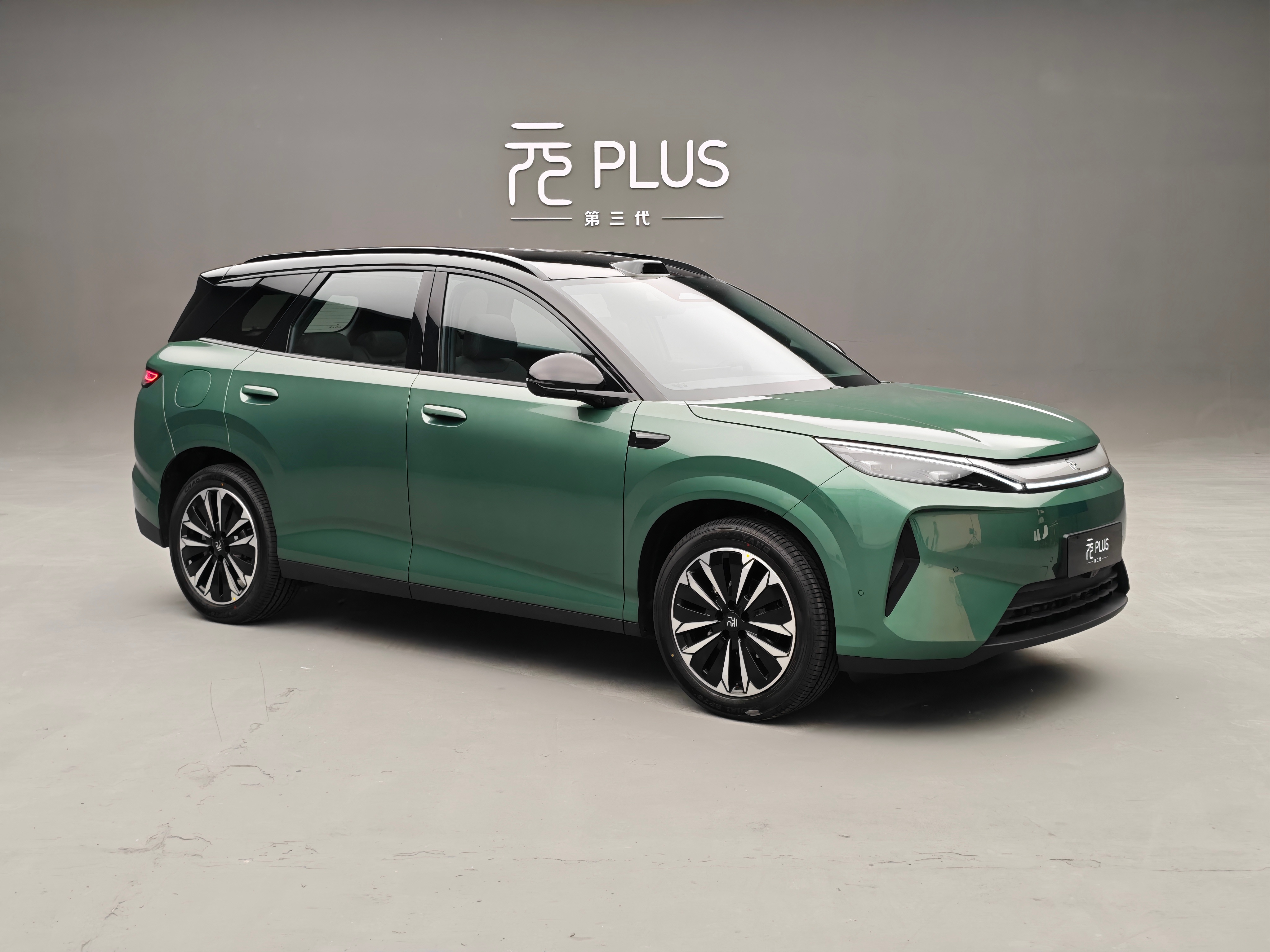
In 2023, BYD launched three sub-brands—DENZA , Formula Leopard , and Yangwang —to enter the high-end market. However, before 2025, the sales volume contributed by these three sub-brands was almost negligible to the entire group.
Since the end of 2024, BYD has made more detailed plans for these three brands, with significant changes in product lines:
For Formula Leopard: It saw the biggest changes. In 2025, Formula Leopard promoted the launch of the entry-level model “Tai 3” and equipped the high-end product “Bao 8” with Huawei’s Qiankun ADS intelligent driving system. In addition, the “veteran” model Formula Leopard Bao 5 was priced at RMB 239,800.
For DENZA: It launched the Z9 (series) and N9 equipped with the “Yisifang” platform, while upgrading the underlying technical platform and comprehensively renovating the exterior of the N7 and N8.
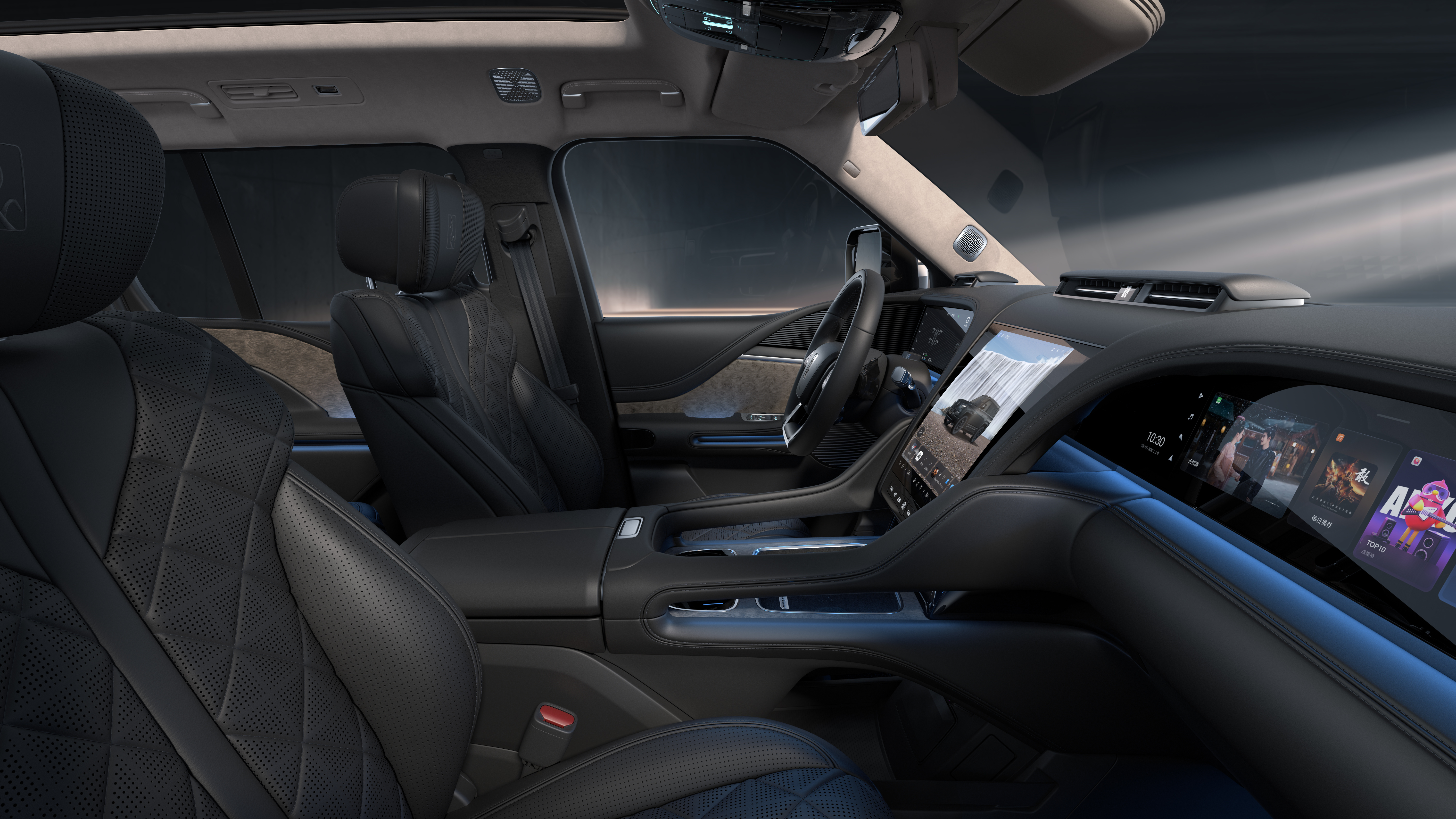
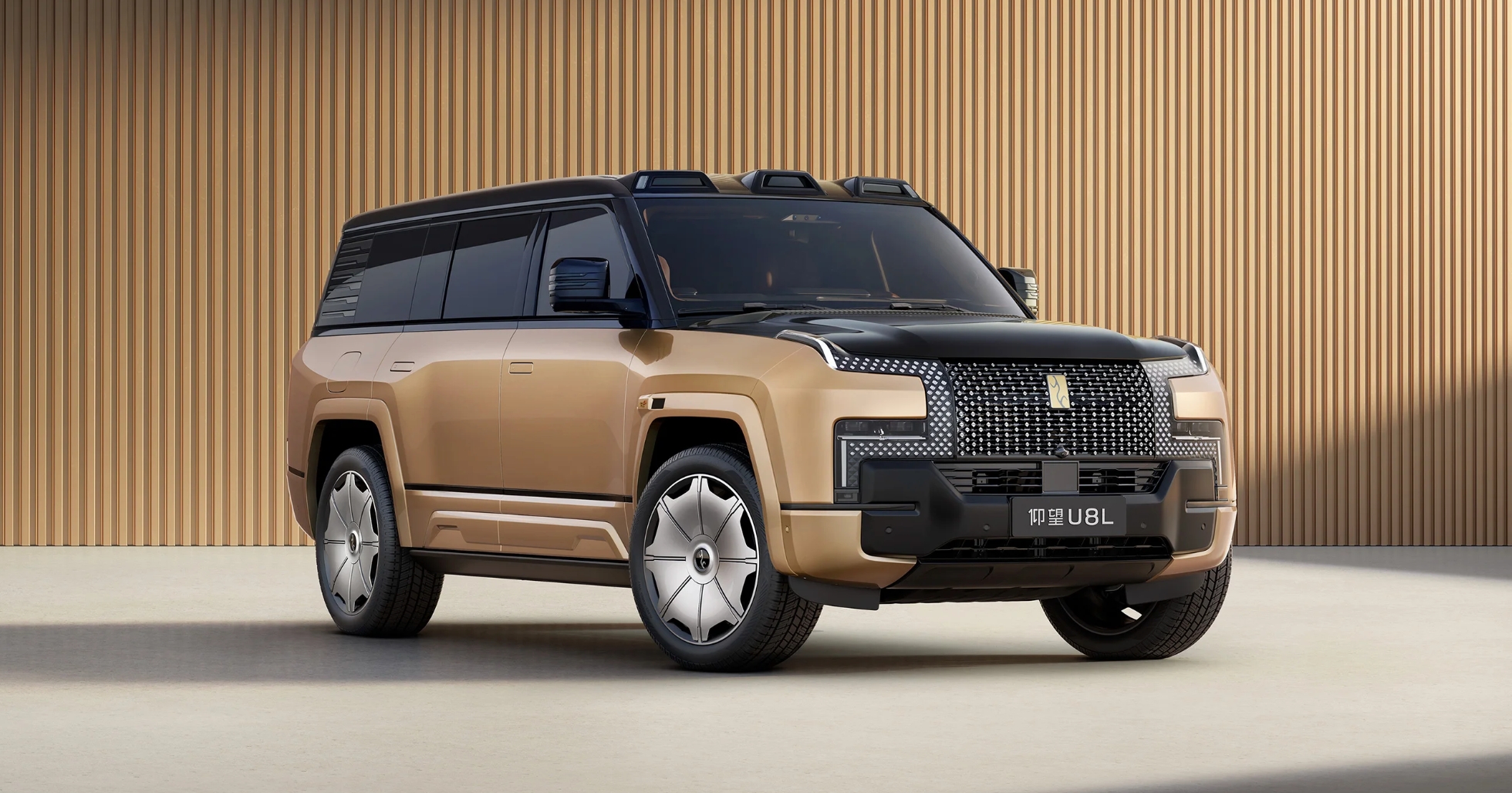
For Yangwang: As BYD’s top-tier high-end brand, its main updates include the launch of two new models, the U7 and U8L.
After a series of adjustments, the three sub-brands showed strong sales growth momentum in the first half of the year. According to the financial report, their total sales volume reached 160,000 units, a year-on-year increase of 75%.

Among them, since the launch and delivery of Formula Leopard Tai 3 in April, its average monthly sales have been about 7,300 units, and in June, its single-month sales exceeded 12,000 units—making it the first model of Formula Leopard with monthly sales of over 10,000 units.
In addition to the Tai 3, Formula Leopard Bao 5 stably contributes an average monthly sales volume of about 5,000 units, and DENZA D9 maintains monthly sales between 7,000 and 8,000 units. These three models form the sales backbone of BYD’s sub-brand matrix.
Looking forward to the second half of the year, Formula Leopard may launch the mid-range SUV “Tai 7” to fill the market gap between Bao 5 and Bao 8; DENZA may release the vertical replacement model “N8L” of the N8, the upgraded model “D9L” of the D9, and the sports car “DENZA Z”—further enriching its product line and enhancing competitiveness.
With the addition of these new models, BYD’s sub-brand matrix still has the opportunity to continue its strong performance in the first half and push sales to a new level in the second half.
However, it should be noted that although the growth rate of BYD’s three sub-brands is encouraging, it is based on a small base. Moreover, the absolute value of “160,000 units in half a year” is still not high, which provides limited support for BYD’s annual sales target of 5.5 million units.
From the perspective of “assisting in breaking into the high-end market”, the fact that only Formula Leopard Tai 3 has stood out among new models may not be sufficient.
From the perspective of “helping to impact the high – end market”, the fact that only the Fang Chengbao Tai 3 stands out among the new vehicles may not be enough. In contrast, the performance of the overseas market is much more convincing.
In the entire overseas market, BYD has covered 112 countries and regions, and in many regions such as Italy, Turkey, Spain, and Brazil, it is the sales leader of new energy vehicles.

According to this trend, by the end of 2025, the overseas market is expected to contribute more than 1 million units to BYD, making it the well-deserved “No.1 new energy vehicle exporter”. Regardless of energy type, it ranks second only to Chery, and has a sales advantage of over 200,000 units over Geely and SAIC.
In addition, from a detailed perspective, BYD’s sales growth in Europe and North America is the most striking. According to data as of June 2025, BYD’s sales in Europe increased by nearly 250% year-on-year, and in North America by 165%.
With BYD continuing to strengthen its efforts in the Southeast Asian and Middle Eastern markets, it is believed that the proportion of overseas sales in its global sales will further increase by the end of the year.
There are opportunities as well as pressures
Overall, considering BYD’s performance in the first half of 2025, combined with its R & D investment of RMB 30.9 billion (a year – on – year increase of 53%) and the active promotion of “intelligent driving equal rights” and other actions, there is no doubt that BYD has done its best.

However, the changes in the market are always faster than the plan.
The competent department’s restriction on the competition means of vehicle enterprises, from the overall perspective, can indeed ensure the healthy development of the market as a whole, but it is not conducive to the short – term competition of leading vehicle enterprises.
It is obvious that the convergence of price wars makes it difficult for BYD’s “scale effect” to be effectively exerted, and the price has not been able to widen the gap with Geely and other brands that are catching up.
Vehicle enterprises of the same scale as Geely, in addition to quickly reducing the price to a level close to that of BYD, have also brought real “blockbuster” products at the product level, such as the new energy vehicle “Xingyuan” which is the single – vehicle sales champion.
Among the new – force vehicle enterprises, Leapmotor, NIO and other vehicle enterprises are also constantly eroding BYD’s original market share in niche areas.
And in the second half of the year, it will be more and more difficult for BYD to “fight the battle”.
This can be seen from the technical follow – up of competitors. BYD’s “killer mace” for quickly accumulating sales advantages is the “DM” plug – in hybrid technology system with first – class fuel economy, but now even the latest “DM 5.0” plug – in hybrid technology is hard – pressed to say that it is much ahead of its competitors.

As for the pure – electric technology platform, the battery packs of most vehicle enterprises are as safe as the “Blade Battery”, and the “megawatt flash charging” has not been able to fully play its advantages in the current energy – replenishment system…
In a word, BYD’s two major technology systems, plug – in hybrid and pure – electric, do not have sufficient advantages over competitors.
But as mentioned above, under the pressure of competition, we can look forward to whether BYD will bring out some “top – secret” technologies in the second half of 2025 and whether we can see some more heavy – weight new vehicles in advance.
It may not be long before we see BYD being forced to go all out.
(End)
Discover more from ChinaEVHome
Subscribe to get the latest posts sent to your email.