Sources indicate that facing pressure from domestic competitors such as Geely and Leapmotor, BYD has lowered its full-year 2025 sales target from 5.5 million units to 4.6 million units.
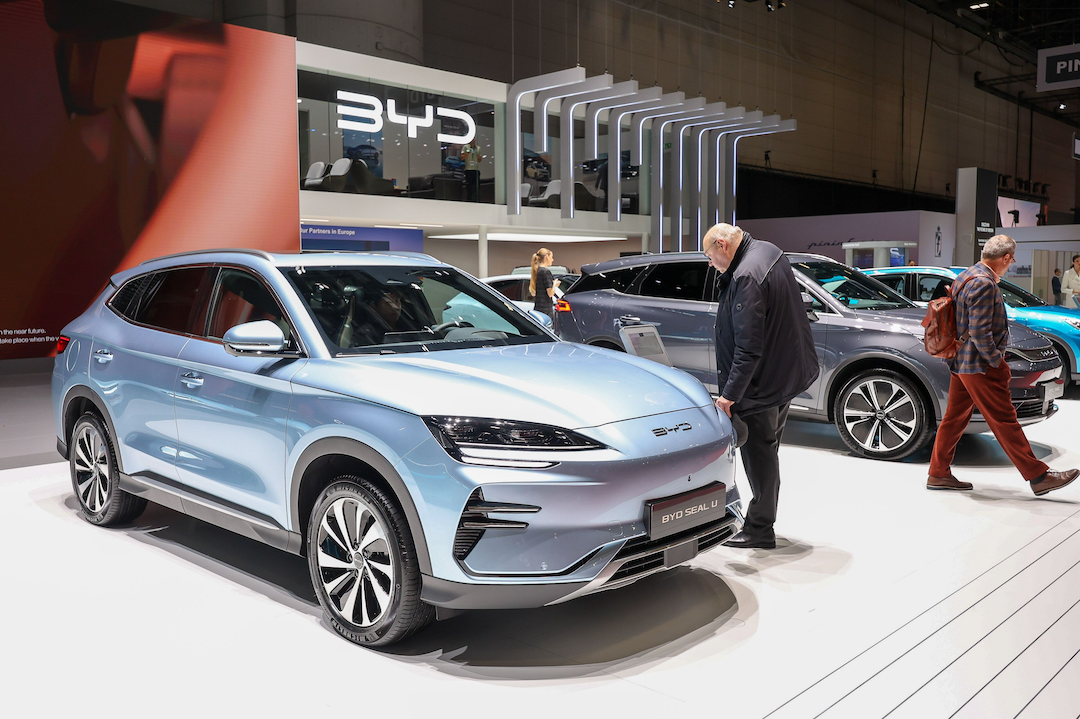
On September 4, Reuters reported, citing two people familiar with the matter, that BYD has lowered its 2025 sales target to 4.6 million vehicles, down roughly 16% from the 5.5 million units initially projected at the beginning of the year. If achieved, this would mark the slowest annual growth since a 7% decline in 2020.
The sources said the revised target was communicated last month to internal staff and select suppliers to guide production and business planning, though it may still be adjusted in response to market conditions.

Neither source specified the exact reasons for the cut, but one noted that the move reflects mounting pressure from competitors such as Geely and Leapmotor.
In recent years, BYD has leveraged its fully integrated supply chain and scale advantages to grow rapidly, increasing its new energy vehicle sales tenfold between 2020 and 2024, with last year’s total reaching 4.3 million units—comparable to the global sales of General Motors and Ford.
However, price wars and market saturation have begun to erode BYD’s domestic leadership. In particular, in the key market segment priced under RMB 150,000 ($21,000), BYD sales fell nearly 10% year-on-year in July, while Geely’s comparable models surged 90%.

Competitors are accelerating their gains. Geely raised its 2025 sales target to 3 million units in July, delivering 250,200 vehicles in August, up 38% year-on-year, with 1–8 month sales reaching 1.897 million units, up 47%.
Leapmotor delivered 57,100 new vehicles across its lineup in August, a year-on-year increase of over 88%, with 1–8 month cumulative deliveries of 329,000 units, up 136.4%, achieving profitability for the first half-year and raising its 2025 target to 580,000–650,000 units.

In comparison, BYD sold 373,600 vehicles in August, roughly flat from 373,000 units a year earlier. Cumulative sales for January–August reached 2.8639 million units, up 23%, achieving only about 52% of its original 5.5 million target.
Financial pressure is also becoming evident. BYD’s Q2 earnings, released last week, showed a 30% year-on-year decline in net profit, the first drop in over three years. Deutsche Bank and Morningstar recently revised their full-year sales forecasts downward to 4.7 million and 4.8 million units, respectively.
Based on the latest target, BYD’s 2025 year-on-year growth would narrow to just 7%, the slowest pace in five years. As of publication, BYD has not issued an official comment on the adjustment.
Discover more from ChinaEVHome
Subscribe to get the latest posts sent to your email.