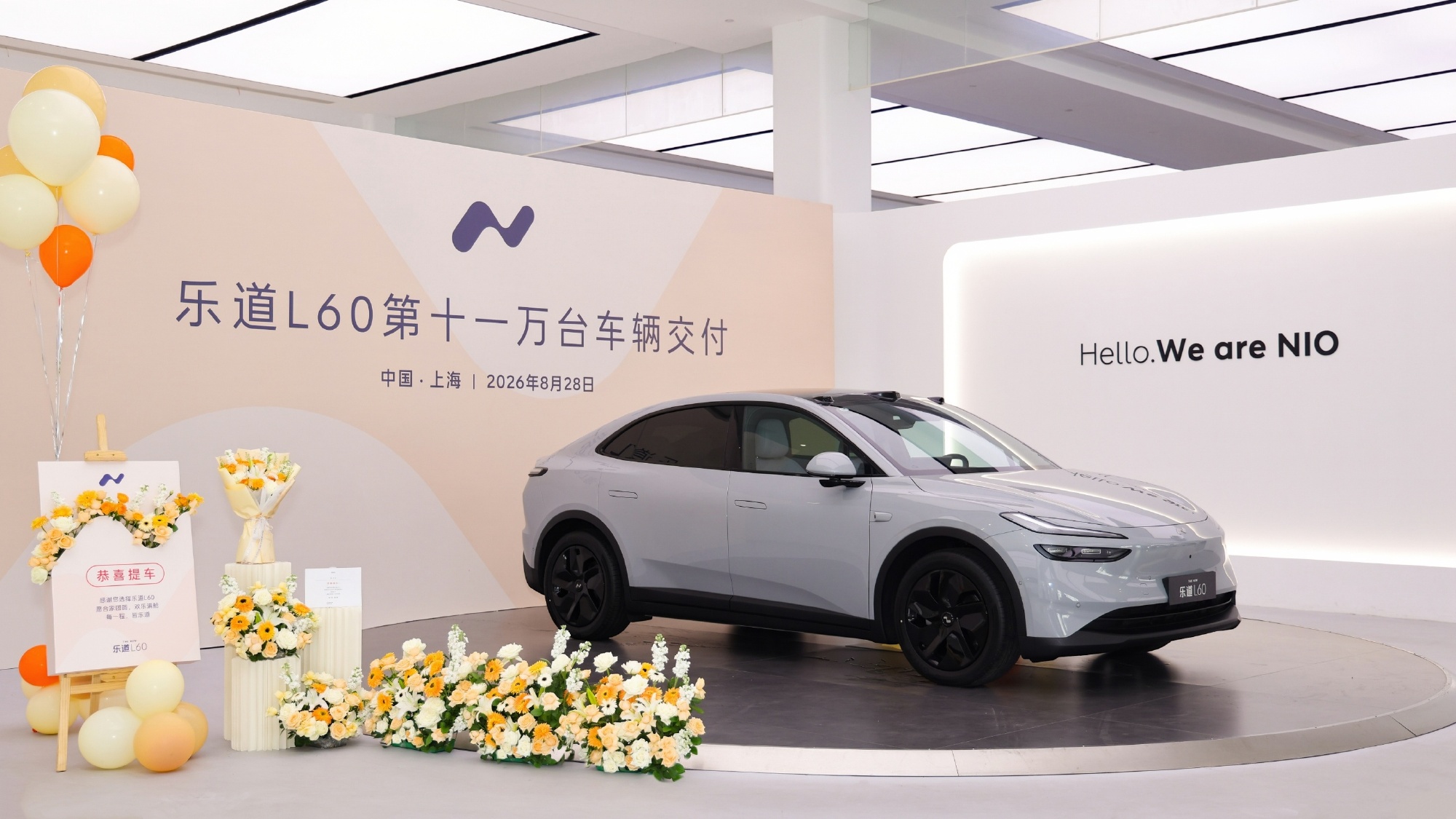
In the pure electric mid-size SUV residual value ranking, ONVO L60, Tesla Model Y and Zeekr 7X led with residual value rates of 71.9%, 71.7% and 71%, respectively.
On October 10, the China Automobile Dealers Association and Jingzhengu jointly released China’s September 2025 Automobile Residual Value Report.
The residual value ranking reflects a brand’s product strength, recognition and reputation, and serves as an important reference for future business related to vehicle buyback, trade-in, leasing, financing, and new car pricing.

Overall, mainstream vehicle segments such as mid-size sedans, compact SUVs and mid-size SUVs—which have larger ownership volumes—saw a rebound in residual value rates, helped by the easing of “price cap” policies on new car subsidies in several regions and the moderation of the recent price war. Tighter transaction prices for new cars have driven a synchronized recovery in used-car prices.
In contrast, more niche segments saw limited fluctuation. High-end models such as large SUVs remained under pressure, particularly MPVs, which recorded the most notable declines.
The segment was affected by both model replacement cycles and the weakening appeal of large-displacement engines amid the ongoing electrification transition.

Among luxury brands, residual values generally stopped declining and began to recover. Over the past year, the residual value rates of BMW, Mercedes-Benz and Audi (BBA) reached 58.4%, 52% and 50.1% respectively. While these brands did not engage in aggressive price wars, competition between dealer channels continued to affect transaction prices.
The report noted that the recovery in residual values this month suggests brand order is being restored as channel control tightens. Comparatively, the number of models on sale from other luxury brands has decreased, further compressing their competitiveness.

Among joint ventures, Japanese brands no longer enjoy their historic “high retention” premium. Core models from Honda, Toyota and Nissan saw converging prices and notable declines in residual value, while debates surrounding hybrid technologies amplified volatility.
By contrast, European and American brands such as Volkswagen and Ford recorded gains, widening their lead over Japanese brands. French brands posted the steepest declines this month, remaining trapped in the aftermath of price warfare.

Among domestic brands, performance was mixed. Traditional players such as GAC and Geely maintained stable fundamentals, while electrification-driven brands like BYD demonstrated solid resilience.
Within new energy brands, Li Auto ranked among the leaders with a residual value rate of 48.3%. Brands such as Zeekr, Leapmotor and BYD also rose in ranking, each maintaining a rate of 44.9%.
Overall, domestic brands are transitioning from “trading market share for technology” to “creating value through technology.”

Residual value performance in new energy subsegments remained in focus. In the pure electric mid-size SUV ranking, ONVO L60 led with a 71.9% residual value rate, supported by its battery-swapping model and integration within the NIO ecosystem, which have gained strong market recognition.
Tesla Model Y (71.7%) and Zeekr 7X (71%) followed closely behind.

In the broader pure electric SUV category, the AITO M9, Tesla Model X, and ONVO L60 topped the chart with 80.1%, 75.2% and 71.9% residual value rates, respectively.
Notably, in the one-year-old vehicle category, Xiaomi SU7, AITO M9 and Li Auto MEGA achieved 85.3%, 80.1% and 78.9%, ranking first to third among pure electric models, signaling that Chinese high-end EVs are now competitive against Tesla and Porsche.
For three-year-old models, Tesla Model 3, Porsche Taycan and Roewe iMax New Energy ranked highest with 53.9%, 52.9% and 49.9%, respectively.

In this month’s plug-in hybrid rankings, AITO M9 continued to hold first place in the one-year-old category, followed by Porsche Cayenne Plug-in Hybrid and Tank 700 New Energy. Domestic brands maintained strong momentum, with SUVs occupying a significant share of the list.
Overall, models that previously surged on hype through subsidies and price wars are losing traction, while brands with solid products, stable reputations and healthy ownership volume have shown lasting resilience in the used-car market.
At the same time, Chinese brands are increasingly defining the direction of new energy vehicles. As EVs “de-escalate” in the low-end segment, the high-end market is also undergoing rapid iteration.
Discover more from ChinaEVHome
Subscribe to get the latest posts sent to your email.