Europe’s automotive industry faces a semiconductor shortage due to China’s export restrictions, threatening electric vehicle production.
Europe’s transition toward electrified mobility faces a new roadblock.
According to Bloomberg, an anonymous source revealed that a fresh semiconductor shortage could hit major suppliers within a week and ripple through the automotive industry in 10 to 20 days.

The disruption stems from China’s new export restrictions on chips produced by Nexperia’s Chinese facilities and subcontractors, exposing Europe’s auto industry to the risk of supply cuts.
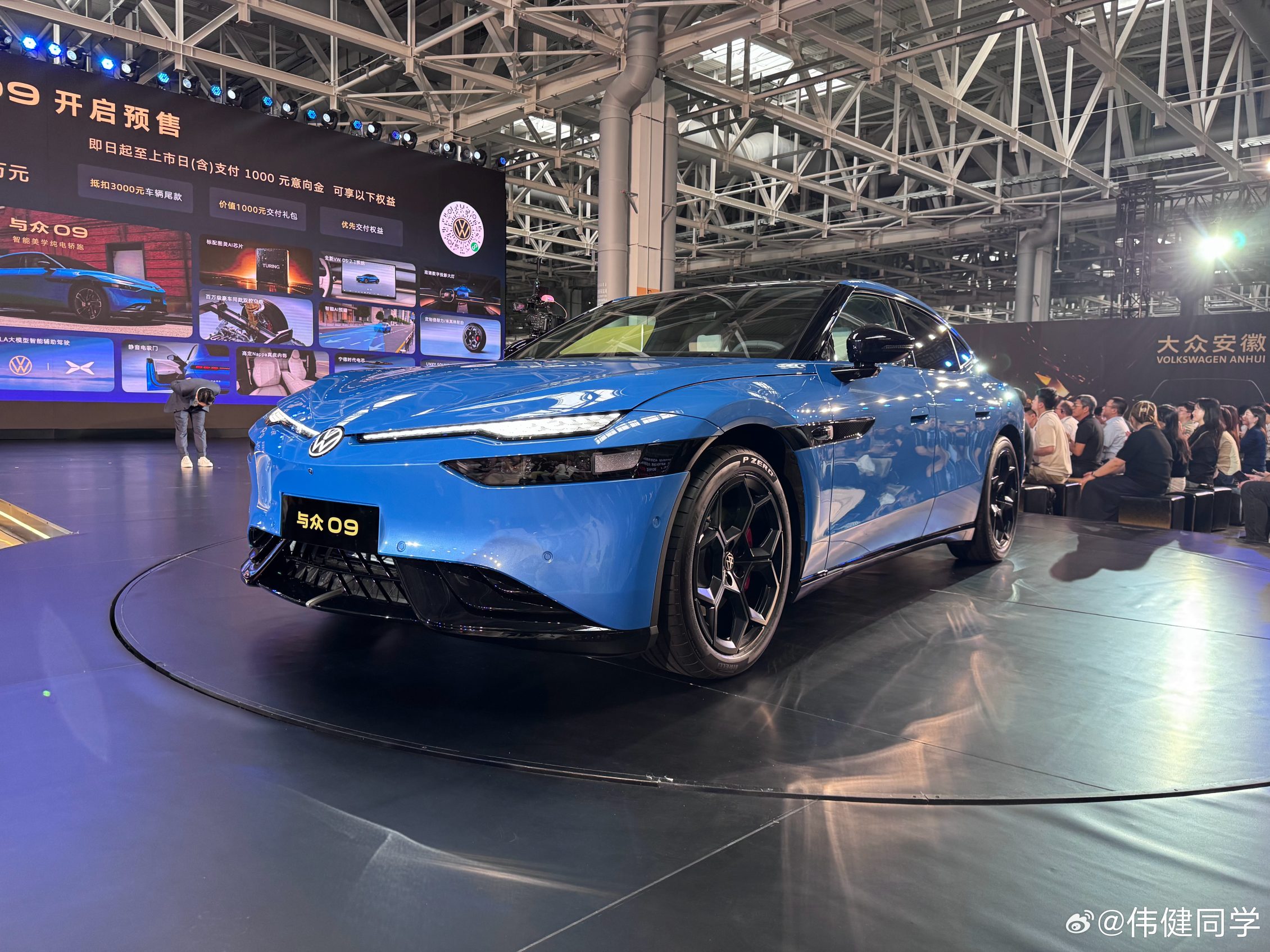
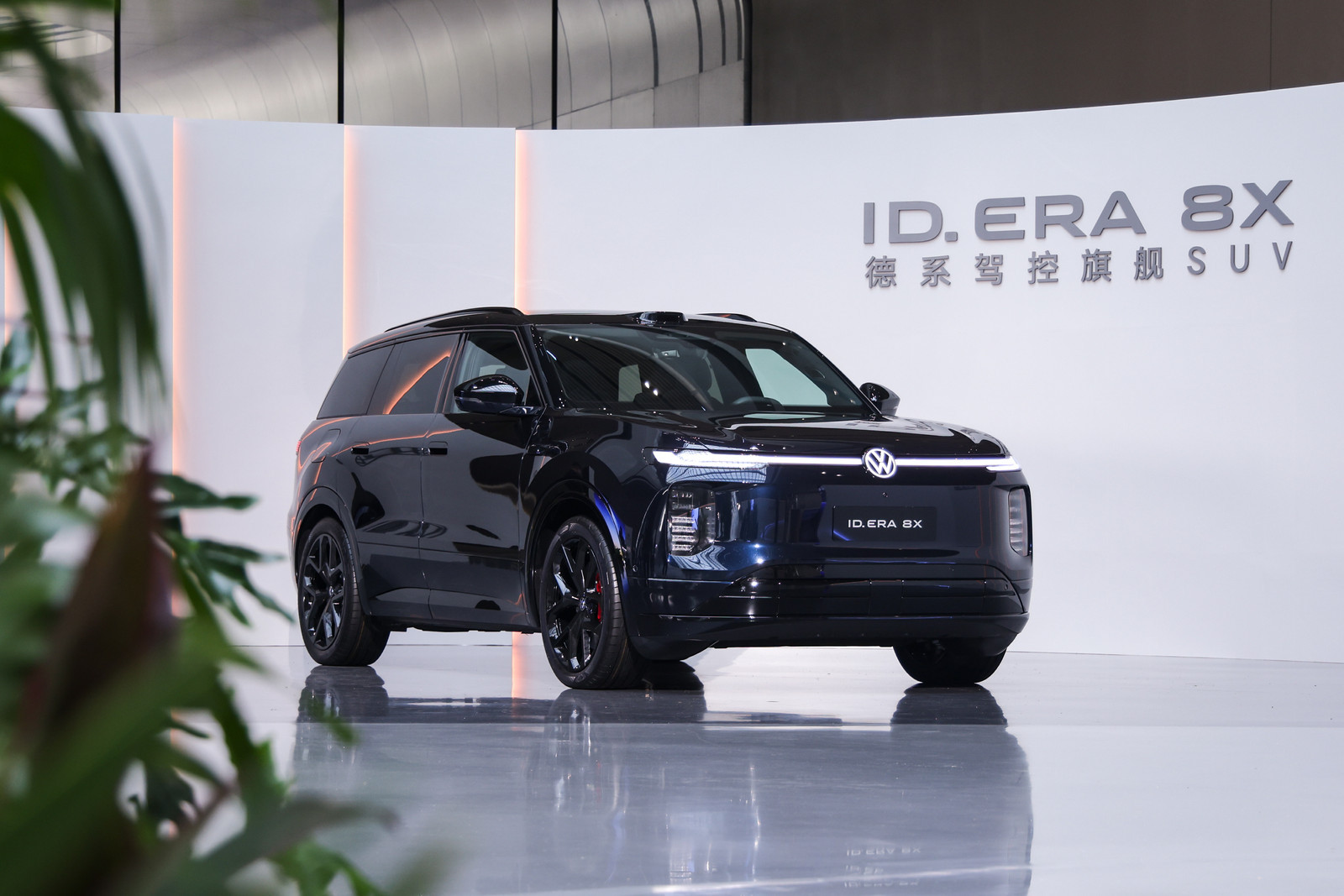
Automakers such as Mercedes-Benz and Volkswagen have responded swiftly. Volkswagen has set up a dedicated task force to coordinate with suppliers and affected customers to minimize potential production halts. A spokesperson from Mercedes-Benz Group AG said the company is “closely monitoring the situation” and has secured short-term chip supplies.
The European Automobile Manufacturers’ Association ACEA warned on October 16 that Nexperia’s chip inventories in Europe might last only “a few weeks.” The association added that, unless resolved, the shortage could force production shutdowns across the continent.

The same insider noted that the export controls could affect not just Europe but also U.S. automakers and parts suppliers that rely on Nexperia chips.
The developing chip crisis may well decide the fate of Europe’s electric vehicle industry.
As Europe’s carmakers race to ditch the combustion engine, a sudden choke in critical parts has turned their electric shift into a steeper uphill climb.
Now that the EV transition is harder than ever, can they claw their way through?
The Pain of “Losing Chips”
The shortage hits hardest where Europe is most vulnerable — electric vehicles.
Manufacturers such as Volkswagen and Mercedes-Benz are heavily reliant on Nexperia’s automotive-grade semiconductors, including inverter and ESD protection chips.
Nexperia dominates these categories, commanding about 40% of the global market for inverter chips.

Though headquartered in the Netherlands, Nexperia’s back-end packaging and testing are based in China, with its largest facilities in Dongguan and Huizhou.
Roughly 80% of its products are processed in China before being shipped to clients, with the Dongguan plant alone accounting for over 70% of total capacity.
In other words, Europe’s car chips are now “choke-pointed” by Chinese production.

Bloomberg also reported that Infineon Technologies AG, one of the world’s main automotive chip suppliers, has received a surge of inquiries from manufacturers seeking alternative components.
Yet ACEA cautioned that certifying and scaling up new suppliers for specialized automotive chips could take several months. Even if alternative suppliers are found, large-scale procurement shifts will not happen quickly. Europe’s Nexperia chip stockpiles are likely to run dry first.
A Crisis on the Horizon
Can Europe’s automakers survive this collective “chip loss”?
Collin Shaw, president of the Motor & Equipment Manufacturers Association in the U.S., voiced concern, saying that despite efforts to diversify sourcing, “finding replacement semiconductors will take time.” He added that “supply chains can be fragile.”

The crisis also recalls another weak link in Europe’s EV industry — batteries.
According to Deloitte, only 13% of global EV battery output in 2024 came from European factories, with 97% of that production supplied by Chinese and South Korean firms operating locally. Ironically, just one European company can produce power batteries domestically at any meaningful scale.
Northvolt, once Europe’s flagship bet on battery independence with major clients like Volkswagen, BMW, and Volvo, has seen its ambitions collapse.

Beset by dependence on Asian imports, slow technological progress, and lagging capacity, Northvolt lost key customers. It filed for bankruptcy protection in the U.S. in November 2024, with its assets later sold to Lyten and Volvo.
In March 2025, its Swedish parent company followed suit, marking the end of Europe’s dream of self-sufficient battery production.
From batteries to chips, Europe’s EV ecosystem has been steadily losing technological sovereignty, relying heavily on external supply chains.
Whether Nexperia can resume deliveries remains unclear. But the specter of supply disruption now hangs over Europe’s EV ambitions.
Of course, Nexperia’s export halt alone will not doom Europe’s electric car industry.

Suppliers such as Infineon and Bosch still hold ground, while Chinese semiconductor firms may also see opportunities.
According to the STAR Market Daily, some automakers and distributors affected by the Nexperia shortage have begun engaging with domestic Chinese power semiconductor firms such as Jiejie Microelectronics. The company confirmed it had received inquiries about alternative solutions covering automotive-grade chips and protection devices.
On October 20, Jiejie Microelectronics even claimed it had developed full replacement solutions for Nexperia’s product line — though the statement was later withdrawn.

European automakers have yet to issue any optimistic signals, but the incident could accelerate the search for new supply routes — a silver lining for an industry under strain.
For Europe’s carmakers, 2025 marks a critical juncture in their EV transition.

Brands like Mercedes-Benz and BMW are launching models such as the all-electric GLC and new iX3 in a bid to reclaim global competitiveness.
Yet as Chinese automakers move swiftly with full-stack capabilities and global ambitions, Europe’s supply chain faces blow after blow — from layoffs to semiconductor shocks.
This chip crisis may well signal a turning point in the balance of power in the global electric vehicle industry.
Discover more from ChinaEVHome
Subscribe to get the latest posts sent to your email.