According to the filing, the first $300 million of the term loan is a committed facility, while the second $300 million is uncommitted and subject to lender approval based on Polestar’s future liquidity needs.
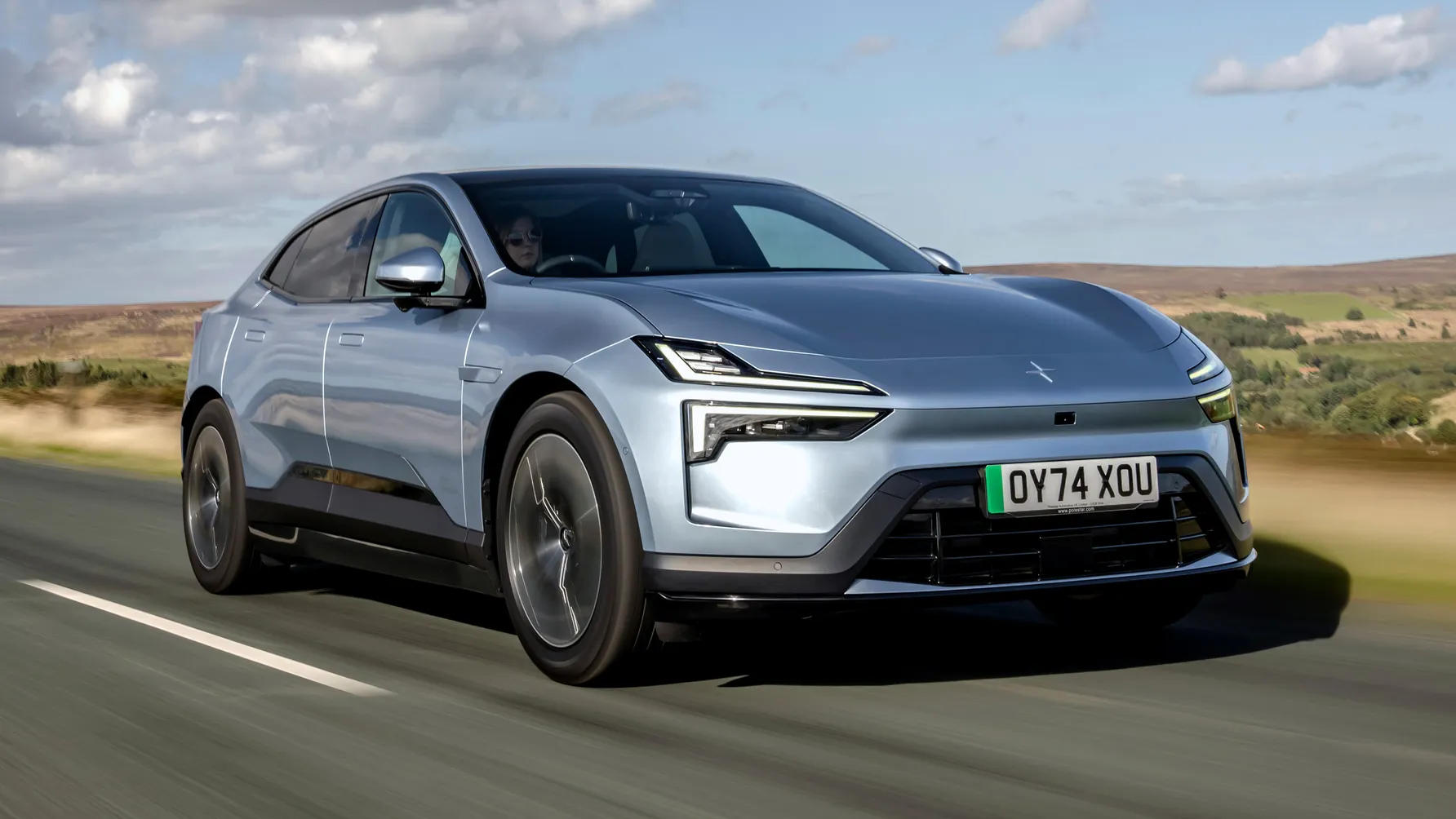
Recently, Polestar disclosed in a filing with the U.S. Securities and Exchange Commission that it has entered into a loan agreement of up to $600 million with its controlling shareholder, China’s Geely Holding Group.
According to the filing, the first $300 million of the term loan is a committed facility, while the second $300 million is uncommitted and subject to lender approval based on Polestar’s future liquidity needs.

This capital injection is not an isolated move. In June this year, Polestar secured $200 million in equity financing from major shareholder PSD Investment, an entity controlled by Geely Holding founder Li Shufu.
Following the transaction, PSD Investment increased its stake in Polestar to 66%. Meanwhile, Geely-controlled Volvo Cars continues to hold a 16% stake, meaning roughly 80% of Polestar’s equity is now held within the Geely ecosystem.
Behind the inflow of capital, however, Polestar’s financial performance has continued to deteriorate. The company reported a net loss of $365 million in the third quarter of 2025, up 13% year on year.
Net losses for the first three quarters surged 80% to a total of $1.56 billion, while gross margin fell sharply to minus 34.5%.

Capital markets have also remained cautious. Since going public in 2022, Polestar’s share price has plunged by more than 95%.
The company has received a Nasdaq delisting warning after its stock traded below the exchange’s minimum requirements for an extended period.
In China, Polestar faces even greater challenges. Since entering the market in 2017, the brand has struggled to gain traction, with its highest annual sales over the past four years reaching just 2,048 units.
In 2025, domestic operations have nearly stalled. Monthly sales have often been in single digits, with cumulative sales of only 163 vehicles in the first 10 months.
In October, Polestar closed its last direct-sales store in China and fully shifted to an online-only sales model to cut operating costs.
In contrast, Polestar’s overseas performance has shown a marked divergence. In the first three quarters of this year, global retail sales reached about 44,482 vehicles, up 36% year on year.

Third-quarter deliveries totaled around 14,192 vehicles, representing a 13% increase from a year earlier.
Moreover, Geely Group data show that total exports reached nearly 300,000 vehicles in the first three quarters of 2025, with Polestar contributing around 40,000 units, or 13% of the total.
While the absolute base remains small, the figures suggest Polestar continues to play a role in Geely’s overseas expansion.
Addressing Geely’s continued capital support, Geely CEO Li Donghui has said that Polestar serves as a strategic bridgehead for the group’s global ambitions and holds significant importance in advancing Geely Holding’s international development.
Discover more from ChinaEVHome
Subscribe to get the latest posts sent to your email.