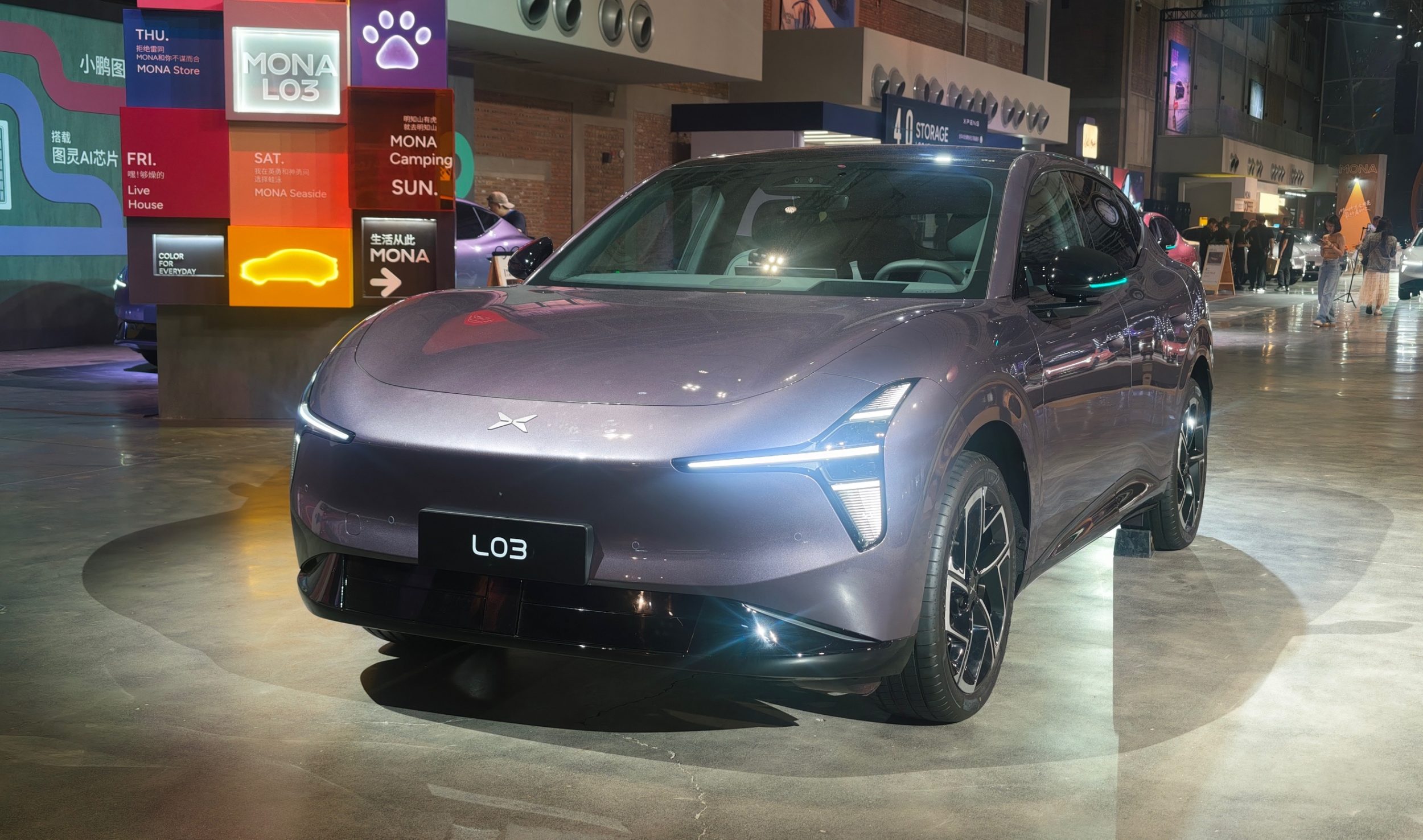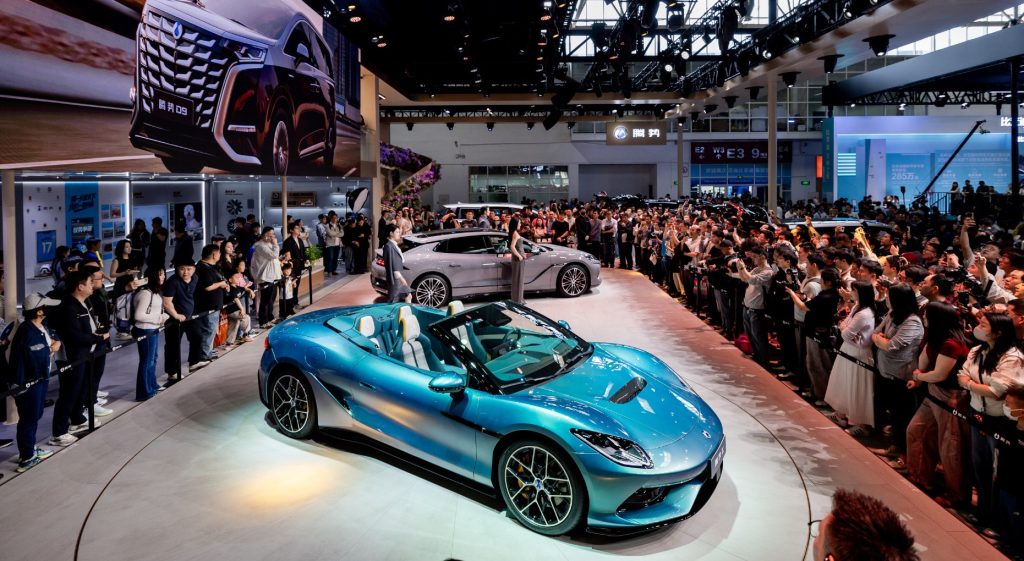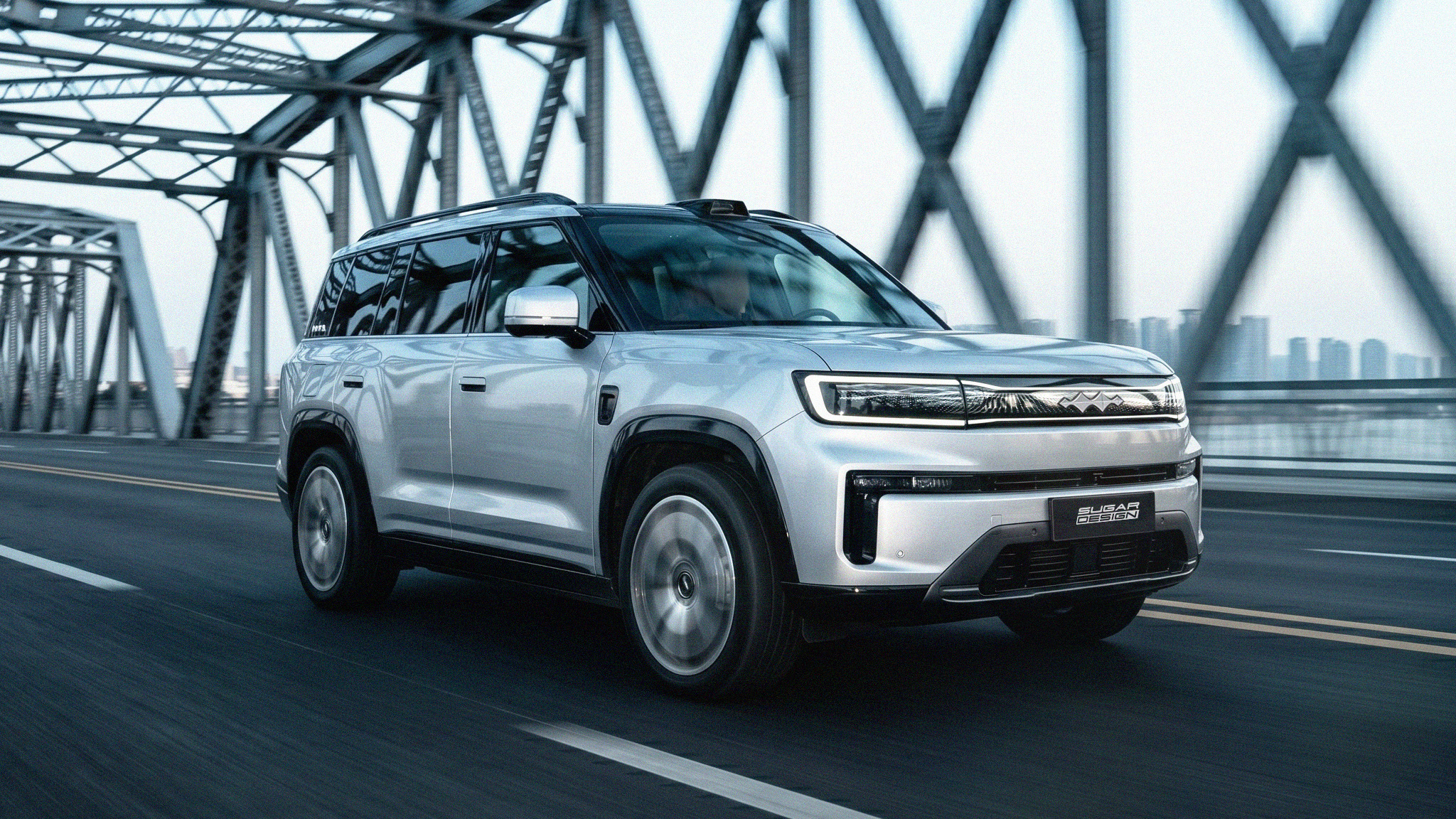
Chinese brands sold a combined 78,358 vehicles in Europe in November, up 108% year on year, lifting their market share to 7.4% from 3.6% a year earlier.
New passenger car registrations in the European Union rose 2.1% year on year to 887,491 units in November, according to data released on December 23 by the European Automobile Manufacturers’ Association (ACEA).
When the UK and European Free Trade Association countries are included, total registrations reached 1,079,563 units, up 2.4% from a year earlier.

By powertrain, hybrid electric vehicles (HEVs) remained the top choice among European consumers. As of November, HEVs accounted for 34.6% of total EU registrations, ranking first among all drivetrain types.
Battery electric vehicles (BEVs) continued to gain traction, with their sales accounting for 16.9% of registrations, while plug-in hybrids (PHEVs) represented 9.3%.
Meanwhile, the combined market share of petrol and diesel vehicles fell further to 36.1%, underscoring the ongoing structural decline of traditional internal combustion engine models.

Against this backdrop of modest overall market growth, Chinese automakers continued to accelerate their penetration in Europe.
Data from Dataforce showed that Chinese brands sold a combined 78,358 vehicles in Europe in November, up 108% year on year, lifting their market share to 7.4% from 3.6% a year earlier.
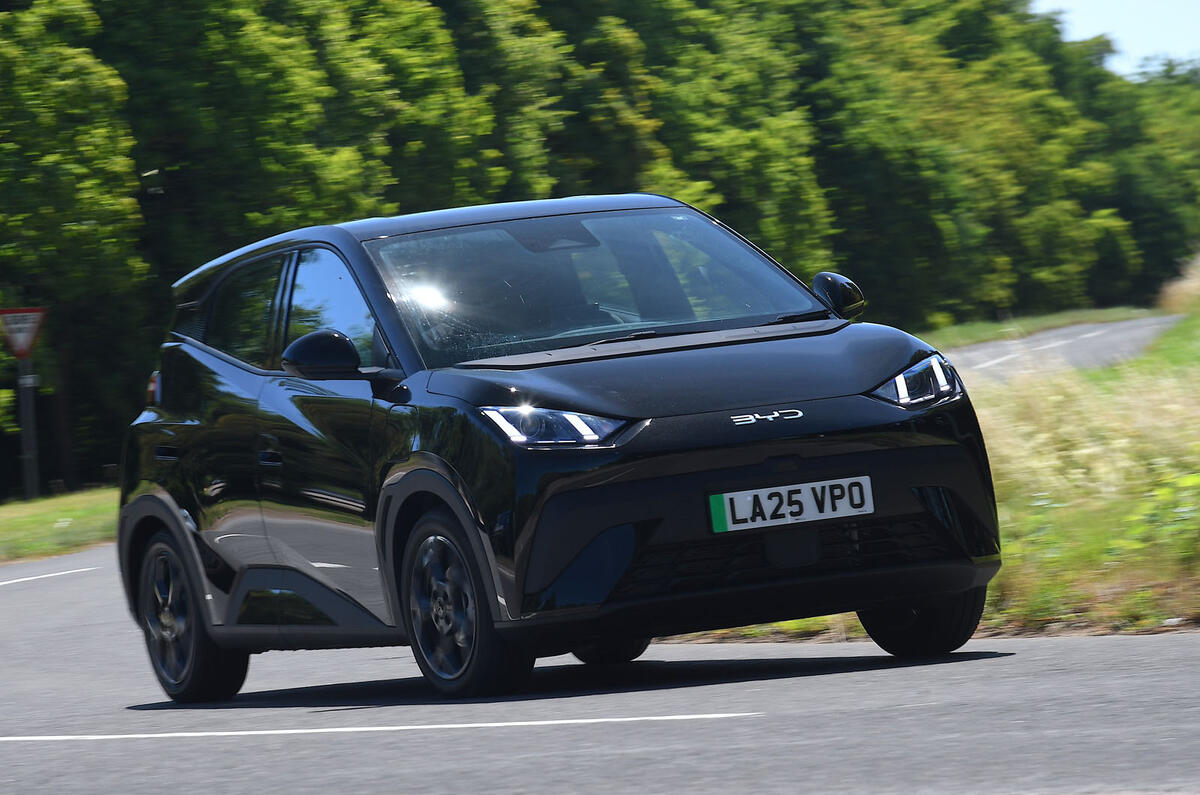
BYD emerged as one of the strongest performers. ACEA data showed that the company registered 16,158 vehicles in the EU in November, a year-on-year increase of 235.2%, raising its market share to 1.8%.
Including the UK and EFTA markets, BYD’s monthly sales reached 21,133 units, up 221.8% from a year earlier.

For the first eleven months of the year, BYD registered 110,715 vehicles in the EU, representing a 240% increase year on year.
When the UK and EFTA markets are included, total registrations rose to 159,869 units, up 276%.
SAIC Motor also maintained steady growth momentum. In November, SAIC registered 17,067 vehicles in the EU, up 41.6% year on year, with a market share of 1.9%. Including the UK and EFTA markets, sales reached 23,666 units, marking a 20.9% increase.
On a year-to-date basis, SAIC registered 191,043 vehicles in the EU over the first eleven months, up 39.4%.
Including the UK and EFTA, cumulative registrations totaled 273,991 units, up 26.1%, reinforcing its scale advantage among Chinese automakers in Europe.
By contrast, Tesla continued to face pressure in the European market. Driven by the rollout of the refreshed Model Y and end-of-quarter incentives, Tesla’s EU registrations rebounded to 12,130 units in November, up 115% month on month.

However, this still represented a 34.2% year-on-year decline, with market share slipping to 1.4%. Including the UK and EFTA markets, Tesla sold 6,964 vehicles in November, down 48.5% year on year.
Over the first eleven months of the year, Tesla registered 129,024 vehicles in the EU, a decline of 38.8% year on year. Including the UK and EFTA, cumulative registrations fell 28.0% to 203,382 units.
The ACEA pointed out that the European automotive industry is facing multiple challenges, including competition from Chinese automakers, U.S. import tariff policies, and the difficult task of achieving profitability while meeting local regulatory requirements for promoting EVs.
Last week, the European Commission unveiled a plan to abandon the policy of a complete ban on ICEs originally scheduled for 2035, marking the biggest retreat in green policy in the region in recent years.
Discover more from ChinaEVHome
Subscribe to get the latest posts sent to your email.