Xpeng has unveiled range specs for the refreshed 2026 P7+. The EV version offers up to 725 km CLTC range, while the EREV version achieves 430 km electric range and 1,550 km combined range.
Xpeng has kicked off the teaser campaign for the refreshed P7+, sticking with its “dual-power” approach: a battery-electric (BEV) version and an extended-range (EREV) version.
For the EREV, Xpeng quotes 430 km of CLTC electric-only range and 1,550 km of CLTC combined range. Paired with a large battery and a range-extender engine, the setup positions the P7+ as one of the longest electric-range EREV coupes on the market.

This is Xpeng’s second EREV model, and the thinking is straightforward: with 430 km on the battery, most daily driving can stay fully electric, while the range extender is there mainly as a safety net rather than something you rely on every day. In other words, Xpeng is pushing the EREV formula closer to an “EV-first” experience.
On the BEV side, Xpeng sums up the upgrade package with “857”: an 800V architecture across the lineup, 5C ultra-fast-charging “AI battery” as standard, and up to 725 km of CLTC range. Put simply, the BEV version now gets 800V and 5C charging across the board, with faster top-ups as the key point.

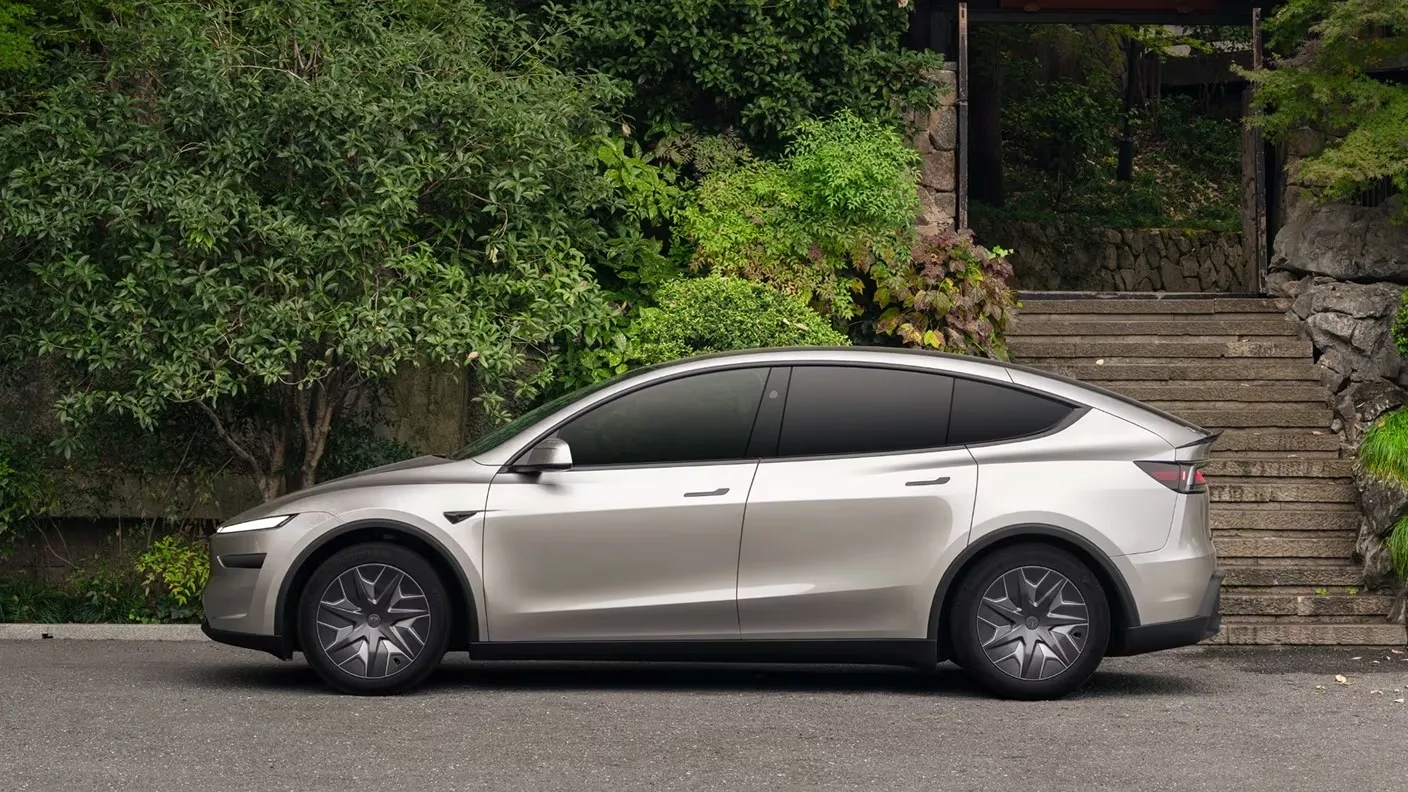
In terms of design, the refreshed P7+ was already shown in MIIT’s 400th filing. The car is 15 mm longer than the current model, while the overall silhouette stays largely the same. Changes are mainly in the details: a larger active grille up front, and a full-width taillight with body-colored bumpers at the rear, which visually lowers the car and makes it look wider and more planted.

Xpeng is calling it a “refreshed version” rather than a routine annual update. The company says it keeps class-leading cabin space while upgrading cabin refinement and comfort, with 104 experience updates and a 36% refresh of major assemblies.
The bigger headline, though, is the rollout plan. Xpeng says the refreshed P7+ will launch in 36 countries under unified global manufacturing and safety standards. It’s being positioned as a global release from day one, not a China-first model that’s exported later—reflecting a shift in how Xpeng is approaching overseas markets.

That shift is backed by growth figures. From January to November this year, Xpeng says sales rose 170% year-on-year in Asia-Pacific (including China), 161% in Europe, and 66% in the Middle East, with global growth at 156%. In November, Xpeng also ranked No.1 among Chinese brands in Northern Europe. Year to date, it has led China’s EV startups in 10 countries and placed second in another eight.
On the execution side, Xpeng has set up nine R&D centers globally and is pushing localization. This year it moved quickly on three local production projects in Indonesia, Austria (with Magna), and Malaysia—suggesting the P7+ is meant to plug into local supply chains, not just be shipped in.

The P7+ debuted on Nov. 7, 2023. Over the past year, cumulative sales have exceeded 87,000 units—second only to the MONA M03 within Xpeng’s lineup. The numbers suggest two clear draws: the “big-space coupe” packaging and Xpeng’s smart features, both of which continue to bring in new buyers.
With the refreshed P7+, Xpeng is strengthening a proven product while using it as a key test case for its next-stage global push. The remaining question is pricing—and that will likely decide how far this “global-from-day-one” strategy can go.
Discover more from ChinaEVHome
Subscribe to get the latest posts sent to your email.