With the halving of the purchase tax for new energy vehicles and the continued adjustment of the trade-in subsidy policies, automotive consumption is expected to receive sustained policy support.
As 2025 draws to a close, multiple Chinese automakers have begun disclosing their full-year sales results while simultaneously outlining sales targets for 2026.

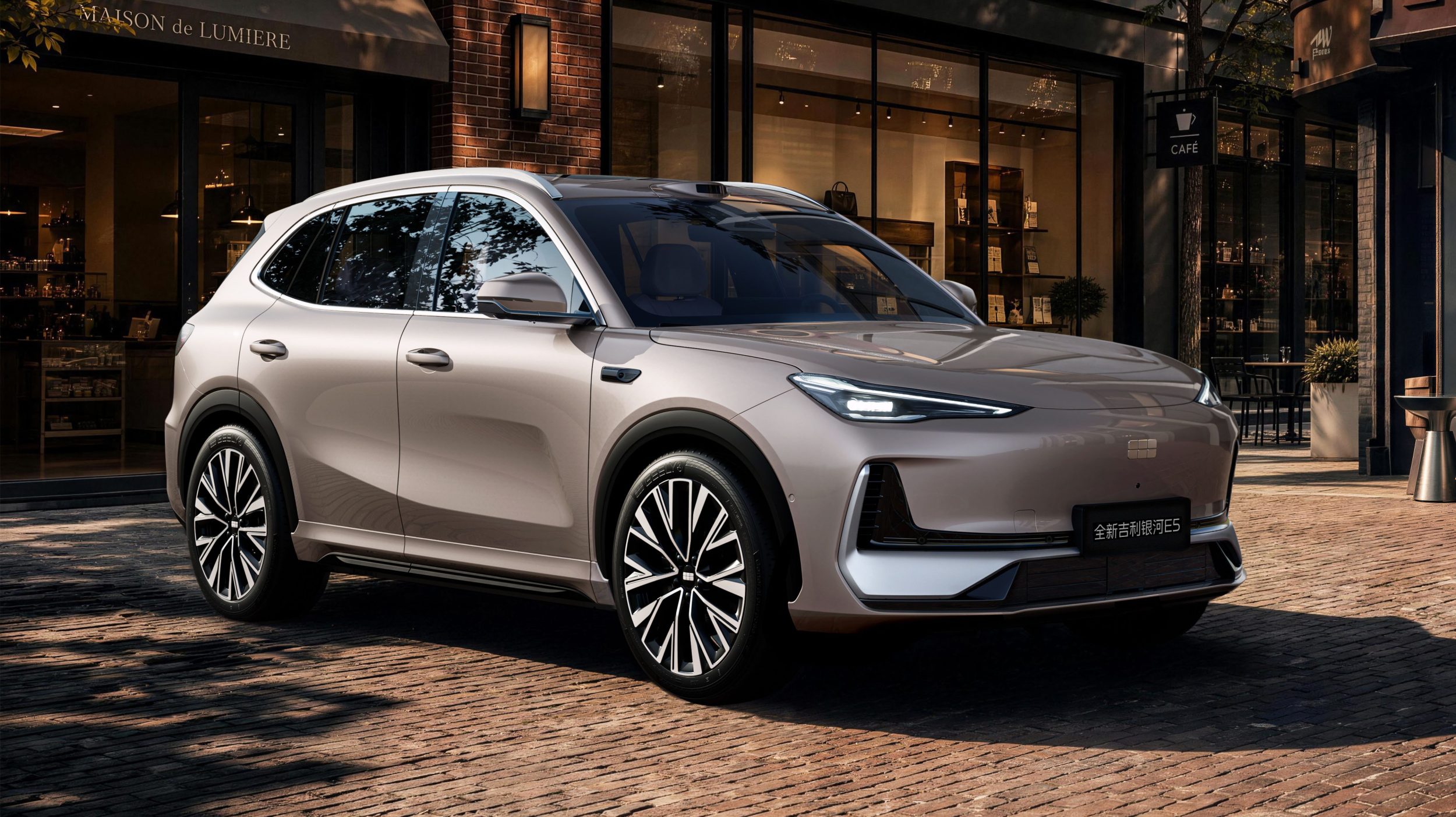
Among traditional automakers, Geely Automobile has set the most aggressive target so far. After completing its upwardly revised 2025 plan, Geely has set a 2026 sales target of 3.45 million vehicles, representing year-on-year growth of 14%.
This includes 2.75 million units for the Geely brand, 300,000 units for Zeekr, and 400,000 units for Lynk & Co.

In the new energy vehicle segment, Geely is targeting NEV sales of 2.22 million units in 2026, up 32% year on year. This implies that its NEV penetration rate will rise from 55.8% last year to 64.3%.
Dongfeng Motor Group, currently ranking second by announced targets, has set its 2026 sales goal at 3.25 million vehicles, an increase of 250,000 units from its 2025 target of 3.0 million.
Dongfeng has yet to disclose its full-year 2025 sales results. Based on cumulative sales of 2.204 million units in the first 11 months, its total 2025 sales are estimated at around 2.5 million vehicles.
Chery Group has set a group-wide sales target of 3.2 million vehicles for 2026, up 14% from 2025.
Within this total, Chery Automobile and its five core brands are aiming for combined sales of 3.0 million units, also representing 14% year-on-year growth.

Great Wall Motor has adjusted the sales performance benchmark in its 2026 employee stock ownership plan, lowering the target from no less than 2.49 million vehicles to 1.8 million units, while keeping its net profit assessment criteria unchanged.
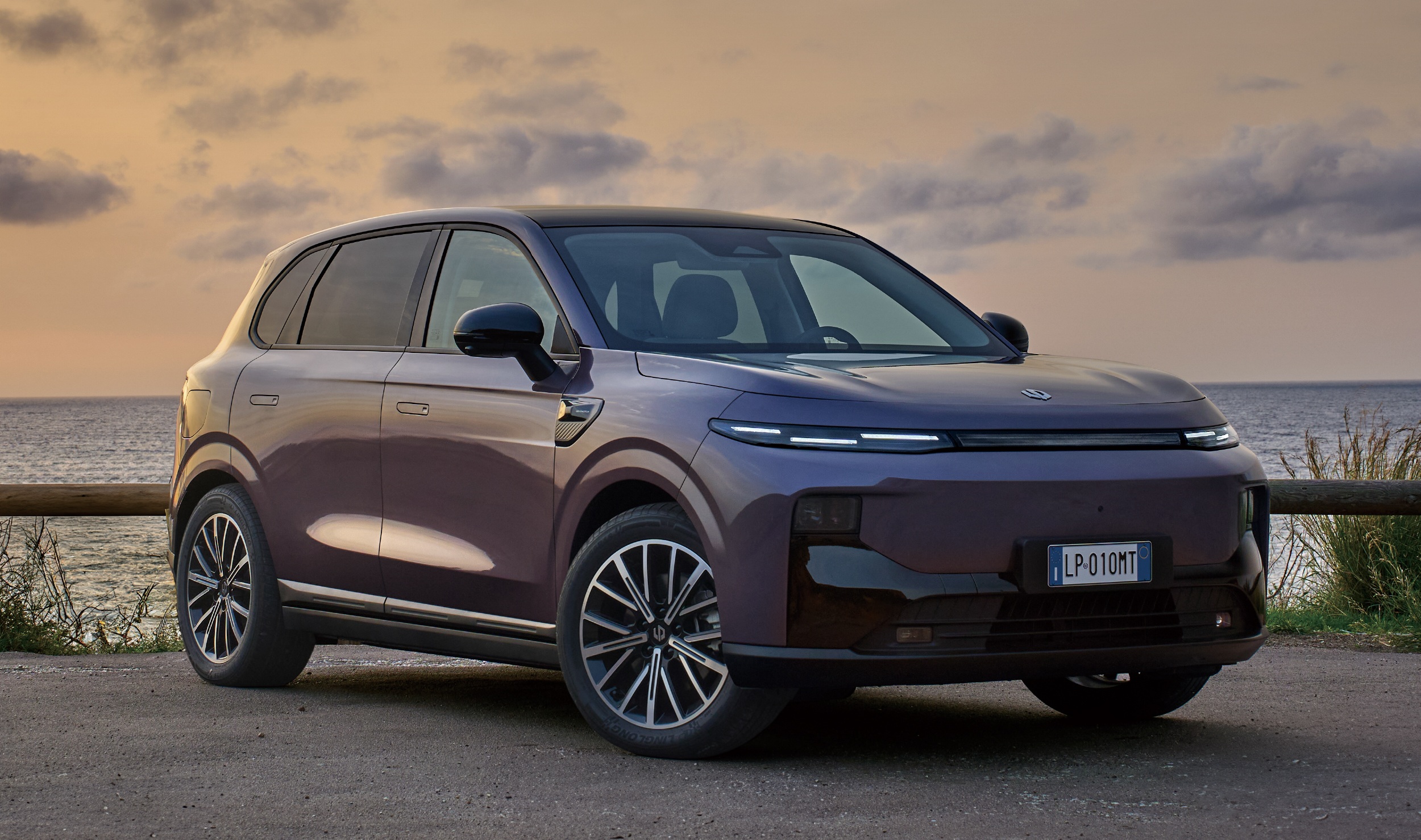
Among new-energy-focused automakers, Leapmotor delivered 597,000 vehicles in 2025, exceeding its initial target of 500,000 units.
On this basis, the company has announced a 2026 sales target of 1 million vehicles, implying year-on-year growth of 68%.
Leapmotor’s confidence is underpinned by its product roadmap and overseas expansion strategy. In 2026, the company plans to launch the D99 flagship MPV and the D19 full-size SUV, while introducing A-series models and accelerating generational upgrades of its B- and C-series.

This is aimed at building a full product lineup covering the RMB 50,000 to RMB 300,000 price range ($6,900–$41,700).
Xiaomi Auto, supported by strong demand for its second model, the YU7, and cumulative 2025 sales of 410,000 vehicles, has set a 2026 target of 550,000 units, up 34.1% year on year.
With a refreshed SU7 scheduled to launch in April this year, capital markets remain closely focused on Xiaomi Auto’s performance. Citibank recently assigned Xiaomi a target price of HKD 50 ($6.40) and maintained a “buy” rating.

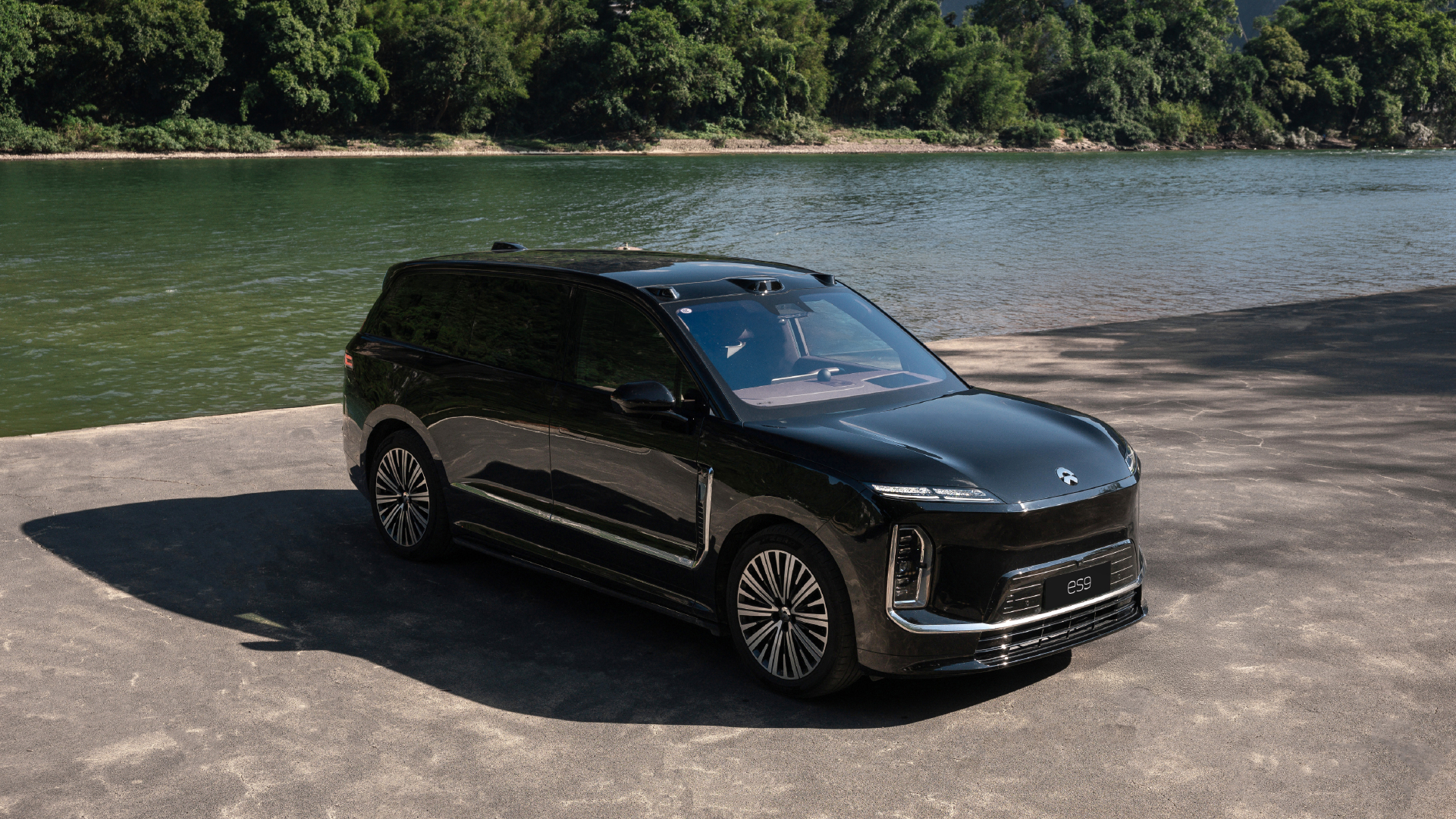
NIO Inc delivered approximately 326,000 vehicles in 2025, falling short of its initial target of 440,000 units. However, models such as the ONVO L90 and the all-new ES8 helped stabilize sales during the year.
At the ceremony marking the rollout of NIO’s one-millionth production vehicle, CEO William Li said the company aims for 40%–50% growth in 2026. This would translate into annual sales of roughly 456,000 to 489,000 vehicles.

With the halving of the purchase tax for new energy vehicles and the continued adjustment of the trade-in subsidy policies, automotive consumption is expected to receive sustained policy support.
Cui Dongshu, secretary general of the China Passenger Car Association, expects overall market growth in 2026 to exceed zero growth, with January likely to deliver a strong start to the year.
Discover more from ChinaEVHome
Subscribe to get the latest posts sent to your email.