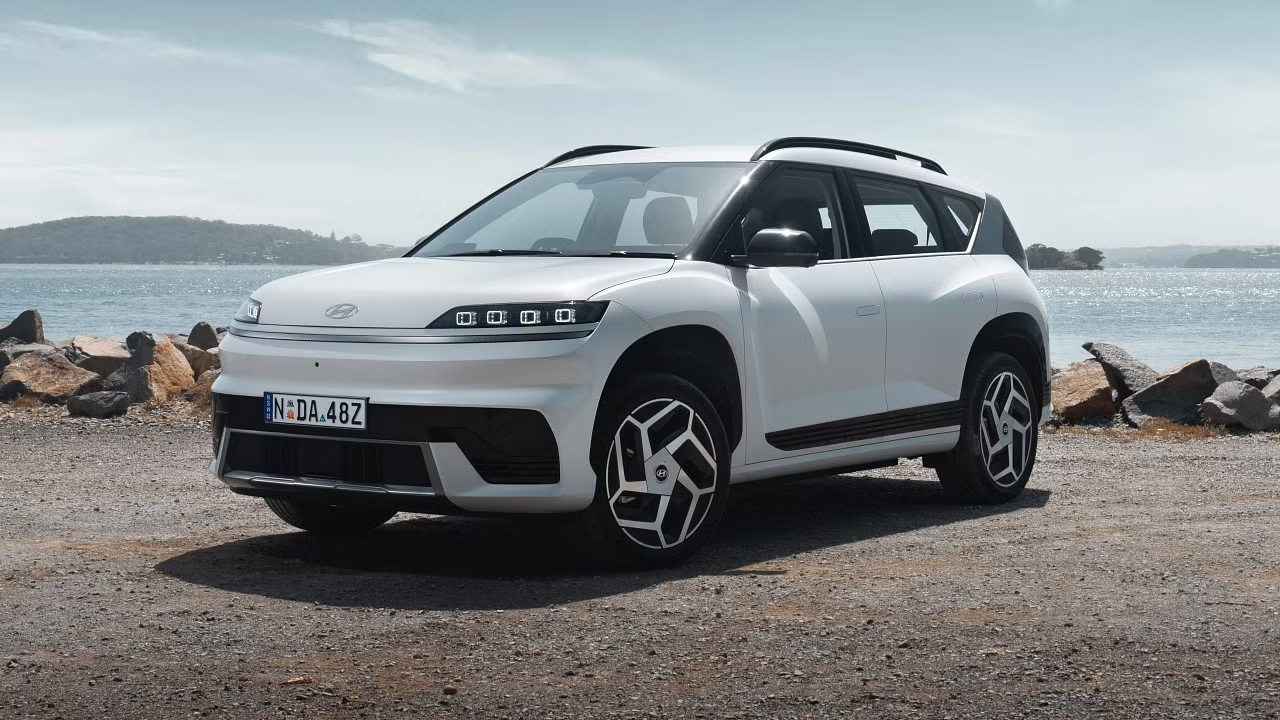
Elexio is priced at AUD 59,990 ($40,200) on-road, directly competing with the BYD Sealion 7, Kia EV5 and Tesla Model Y in the mainstream electric SUV segment.
Hyundai Motor Company’s Australian unit has confirmed plans to introduce the all-new mid-size electric SUV Elexio in the first quarter of 2026, further expanding its local EV lineup.
The model is built on the Hyundai-Kia 400 V front-wheel-drive E-GMP platform and corresponds to the EO sold in the Chinese market.

It is manufactured at a joint-venture plant operated by Beijing Hyundai and BAIC Group in China.
In Australia, the Elexio will be offered in a single “Elite” high-specification variant, with an official on-road price of AUD 59,990 ($40,200). This is AUD 4,000 less than the long-range Kia EV5 Air on-road price of AUD 63,990.
The Elexio is positioned between the Hyundai Kona Electric (from AUD 45,990/$30,870) and the IONIQ 5 (from AUD 71,990/48,320) and will compete directly with mainstream electric SUVs such as the BYD Sealion 7, Kia EV5 and Tesla Model Y.
Looking at retail prices, Elexio’s on-road price is lower than Australia’s best-selling Tesla Model Y.

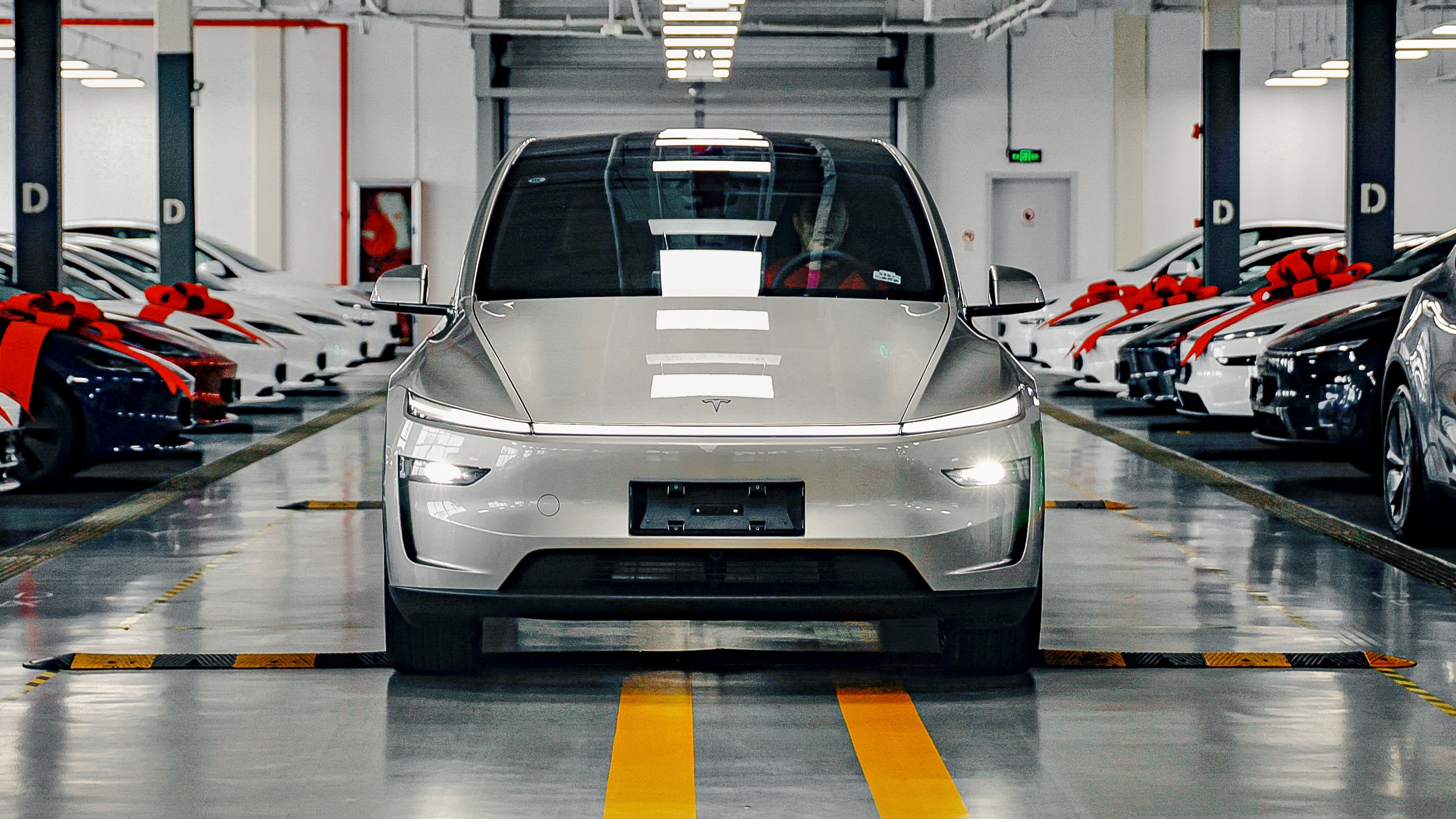
Although the Model Y’s sticker price is AUD 58,900 ($39,530), registration, taxes and delivery costs push the out-the-door cost above AUD 60,000 ($40,270).
It is notable that there is a significant price gap between China and Australia. In the Chinese market, the Elexio’s starting price is RMB 119,800 (AUD 25,000/$16,780), less than half of its Australian on-road price.
In terms of product specifications, the Elexio uses a front-motor, single-motor layout with a maximum output of 160 kW and peak torque of 310 Nm.

It is paired with an 88 kWh lithium iron phosphate battery and has a WLTP range of 546 km. Under fast-charging conditions, it can recharge from 10% to 80% in approximately 38 minutes.
For the Australian market, Hyundai has recalibrated the Elexio’s suspension and steering systems, replacing springs, dampers and anti-roll bars to better suit local road conditions.
In the Chinese market, the EO has had a modest performance. According to data compiled by ChinaEV Home, total sales from its launch at the end of October through November amounted to just 364 units.