- BYD is prioritizing acquiring an existing team to pursue a historic first direct Chinese entry into F1.
- 2026 F1 hybrid rules favor BYD’s battery, motor, and electronic control strengths for competitive relevance.
- High costs—up to $500 million per season to build and run an F1 team—remain a major obstacle.
Insiders revealed that cost could be one of the obstacles to its F1 entry.
According to Bloomberg, BYD is evaluating the possibility of entering top-tier motorsport competitions such as Formula 1 (F1) and the World Endurance Championship (WEC), with approaches including establishing its own team or acquiring an existing one, of which the acquisition option is considered the priority.
This marks BYD’s first foray into professional motorsport, aiming to enhance its brand recognition in the premium markets of Europe and North America through top-tier racing platforms.

BYD’s consideration is not an isolated incident.
FIA President Mohammed Ben Sulayem publicly expressed his welcome to Chinese automakers joining F1 last year, stating that after Cadillac’s entry in the 2026 season, Chinese manufacturers would become the “next step” in F1’s development. Should BYD proceed, it would be the first time in F1 history that a Chinese automaker participates directly, breaking the long-standing dominance of European and American teams.
Notably, BYD is also evaluating the possibility of entering WEC. This “dual-track” approach aligns closely with the current trend of motorsport’s transition toward hybrid technology.
The 2026 F1 regulations will significantly increase the proportion of electrified components in hybrid systems, with the MGU-K system’s output power jumping from 120 kW to 350 kW, and electric motor power accounting for approximately 50% of the total power unit output, which naturally resonates with BYD’s technical accumulation in the three-electric systems (battery, motor, and electronic control).
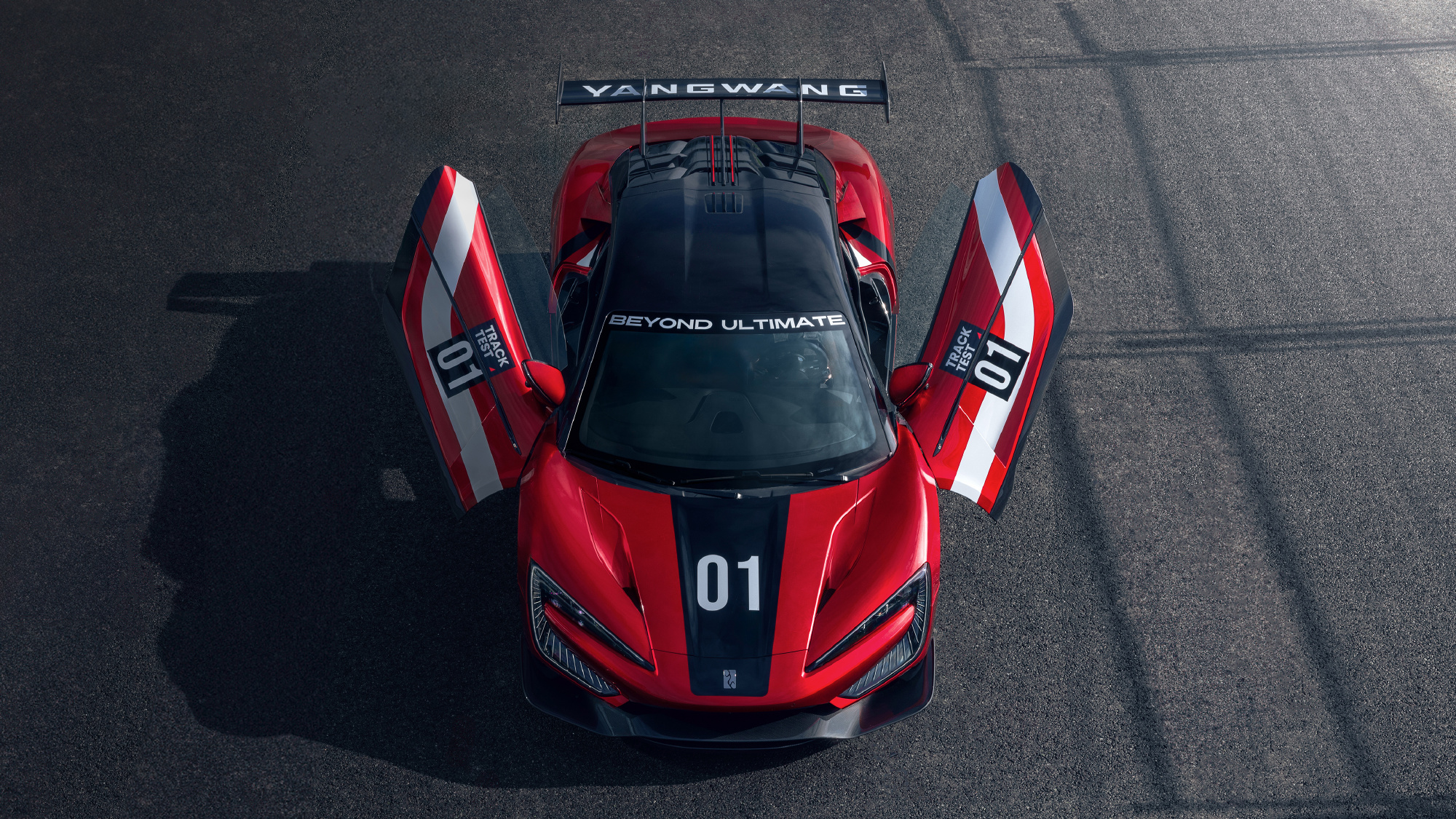
Previously, BYD’s Yangwang brand’s flagship technical model—the U9 Xtreme electric hypercar—set a speed record exceeding 495 km/h at the ATP test track in Germany and broke the lap record for electric hypercars at the Nürburgring Nordschleife.

It is worth mentioning that, besides BYD, other automakers have successively shown strong interest in such motorsport competitions. For example, Geely Automobile successfully participated in the World Touring Car Cup through its Cyan Racing team (formerly the Volvo factory team), while NIO won the drivers’ championship in the inaugural Formula E season in 2015.
Insiders revealed that the potential cost of BYD entering F1 could be one of its obstacles. Research data shows that developing and competing with a race car involves lengthy negotiations with the FIA and F1 management, and building and operating an F1 team from scratch costs up to $500 million per season.

BYD’s consideration of entering motorsport at this time is also closely related to the explosive growth of its overseas business.
In 2025, BYD’s overseas sales exceeded 1 million units for the first time, with a year-on-year increase of as much as 150%, and the company has set a target of 1.3 million overseas sales for 2026.
Discover more from ChinaEVHome
Subscribe to get the latest posts sent to your email.