- BYD will scale its Racco’s X-PACK integrated battery tech into a new small EV for Europe and global markets.
- The X-PACK packs inverter and electronics underfloor to free interior space and improve crash energy absorption.
- Local production in Hungary and EU small‑car rules could cut tariffs and boost BYD’s global expansion push.
BYD plans to develop a small EV for global markets based on the X-PACK battery pack developed in-house and first used in its Japan-specific Racco kei EV, according to Nikkei Chinese.
Development of the new model is expected to begin soon, with the vehicle likely to launch in the next few years and be sold in Europe and other global markets.
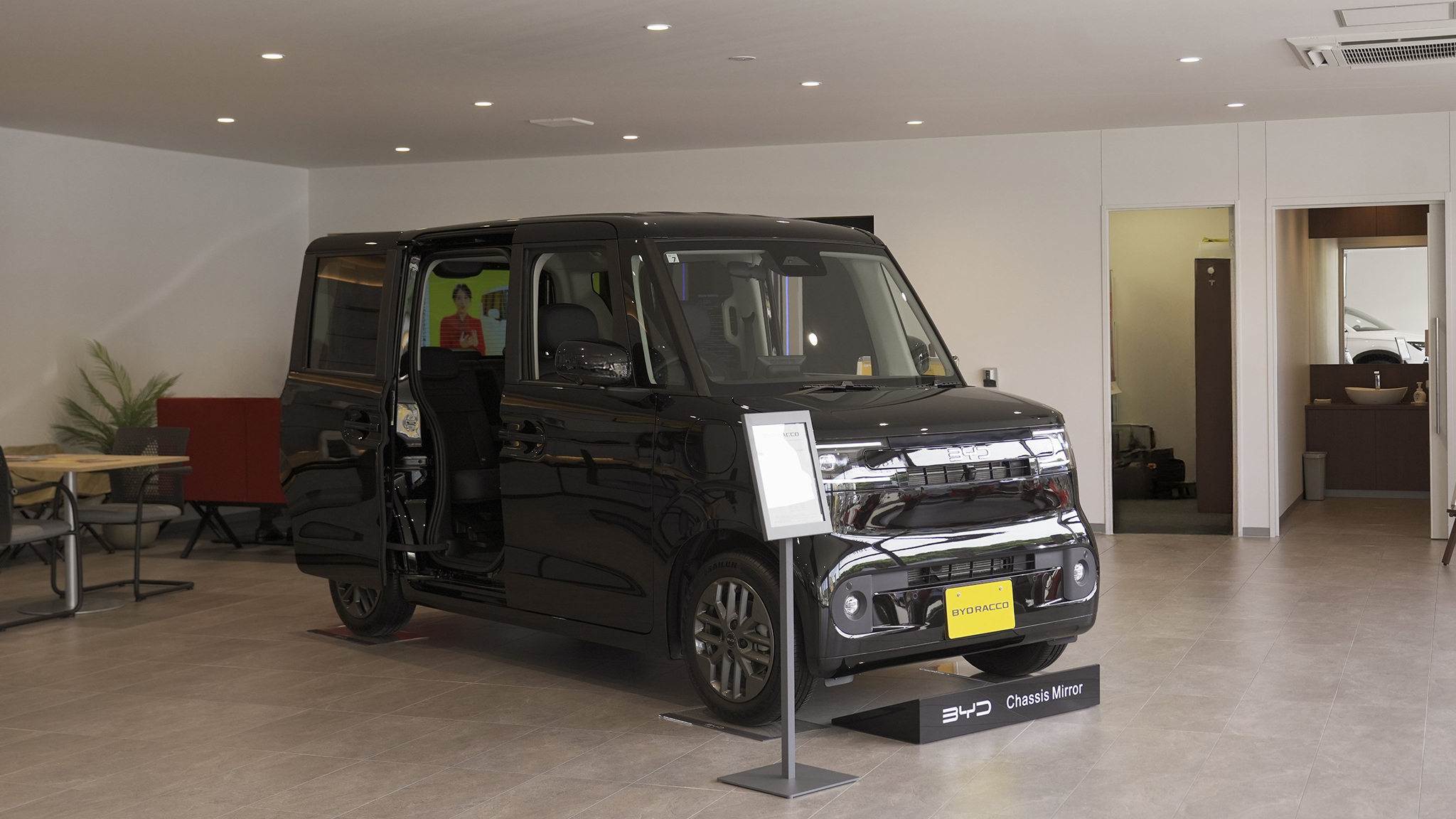
At the end of July, BYD launched the Racco in Japan with three variants, starting at 2.145 million yen ($14,400).

The kei car logged 1,002 orders within two weeks after its July 28 launch, marking the fastest‑order growth for any BYD model in the country.
The Racco was developed specifically for Japan’s kei-car market, with a body length of no more than 3.4 meters and a width of no more than 1.48 meters, conforming to Japan’s kei-car regulations.
Unlike BYD’s conventional vehicle architecture, the Racco’s X-PACK integrates the inverter and other electrical components with the battery system and packages the entire assembly beneath the vehicle floor.
This reduces the amount of hardware occupying the front compartment and passenger cabin, freeing up interior space while leaving more room at the front of the vehicle for crash energy absorption.

In other words, what BYD is looking to replicate is not the Racco’s compact dimensions but its approach to space utilization for small EVs.
Growing demand for affordable small EVs in Europe and other global markets could further support the strategy.
The European Union has introduced new vehicle classification standards in recent years that provide preferential treatment in areas such as subsidies and regulatory compliance for small EVs produced within the bloc, defined as vehicles no longer than 4.2 meters.
BYD is also advancing localized production in Europe. The company plans to begin vehicle production at its Hungary plant by the end of 2026.

If BYD eventually produces X-PACK-equipped small EVs locally in Europe, it could shorten the supply chain while reducing the impact of import tariffs on vehicle pricing.
BYD Chairman Wang Chuanfu said in June that the company would seek to become the world’s largest automaker by sales volume over the next five years.
BYD ranked sixth globally in new-vehicle sales in 2025. To further close the gap with Toyota, relying solely on the Chinese market and mid- to high-end vehicles will likely not be enough, making small cars a potentially important component of its global expansion strategy.
Discover more from ChinaEVHome
Subscribe to get the latest posts sent to your email.