- SVOLT starts mass production of an 80 kWh PHEV pack, enabling over 400 km pure-electric range.
- The Fortress 2.0 supports 6C fast charging and replenishes 400+ km in about 10 minutes with advanced thermal controls.
- SVOLT’s rapid scale lifts installed capacity to 3.8 GWh and boosts its global market share to 2.8%, ranked eighth.
On April 16, SVOLT Energy Technology launched mass production of its 80 kWh plug-in hybrid battery pack “Fortress 2.0” at its Changzhou plant.
The product is among the largest-capacity PHEV batteries currently in mass production.
In terms of specifications, the battery represents a 35.6% increase over the previous 59 kWh version.

Through system-level integration optimization, volumetric efficiency and energy density have improved by around 6%.
In real-world applications, the pack can enable D-segment plug-in hybrid vehicles to achieve over 400 km of pure electric range.
Based on a typical daily commute of 50 km, a single weekly charge would largely meet usage needs, bringing the user experience closer to that of a battery electric vehicle.
On charging performance, the battery supports peak 6C fast charging, enabling more than 400 km of range replenishment in 10 minutes.
Combined with thermal management systems and dynamic BMS regulation, it balances high-rate charging capability with battery longevity.
Safety remains a core focus. Structurally, the battery achieves vibration resistance three times the national standard and doubles the side-impact protection requirement, while supporting 200 hours of immersion without leakage.

In terms of thermal safety, nano-scale thermal ceramic materials are introduced, maintaining insulation for up to 30 minutes at 1,000°C, alongside second-level thermal runaway warning systems.
The electrical system further mitigates risk through millisecond-level power cutoff and redundant design, while a liquid-cooled BDU reduces temperature rise during high-rate charging by around 30%, supported by vehicle-cloud integrated intelligent monitoring.
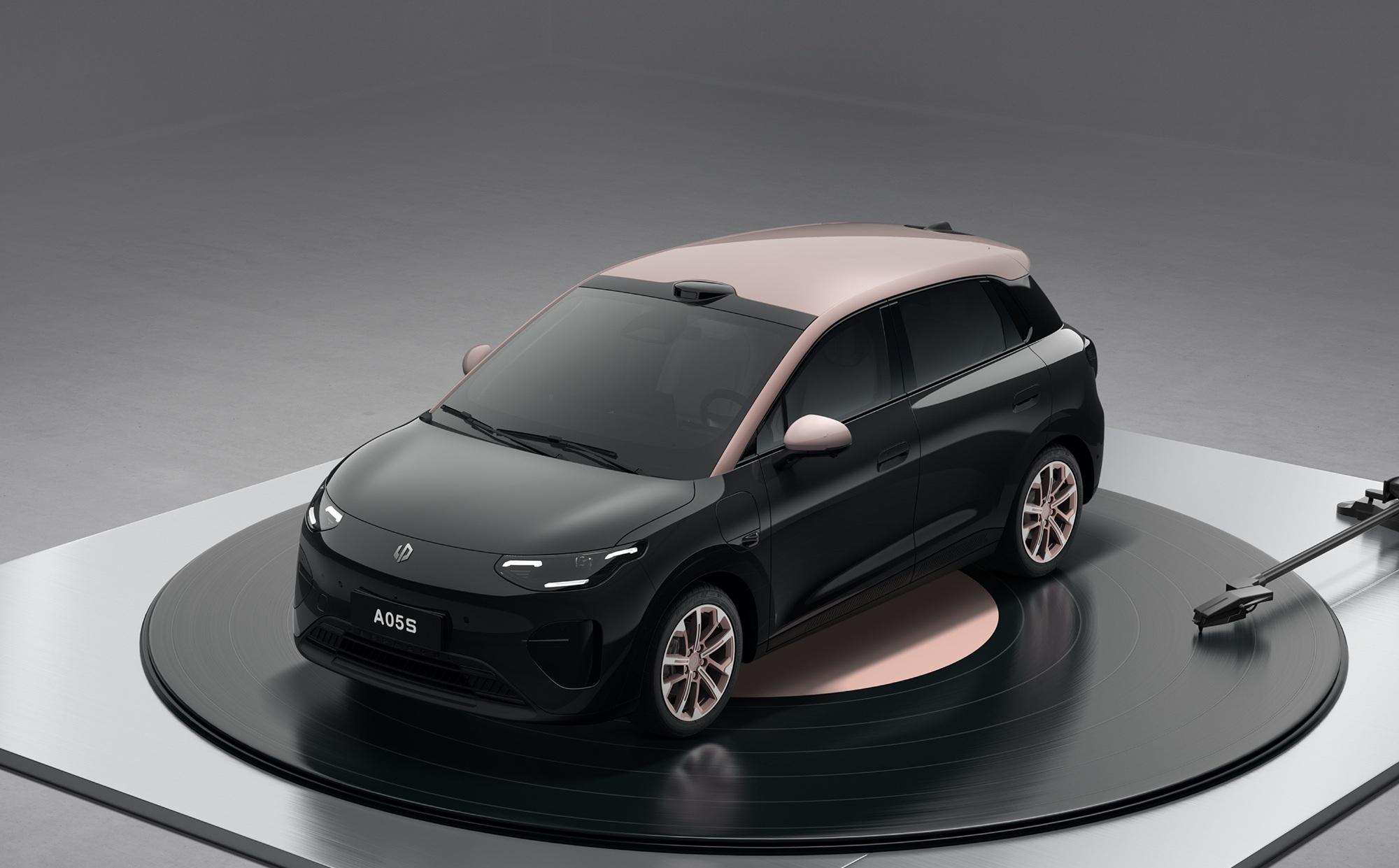
According to plans, the first model equipped with Fortress 2.0 will debut at the Beijing Auto Show. Over the past two years, competition in the PHEV segment has focused on fuel consumption and total range.
Starting this year, “large-battery PHEVs” are emerging as one of the fastest-growing segments between 2026 and 2028.
SVOLT is currently in a rapid scaling phase. According to SNE Research data, its installed battery capacity reached 3.8 GWh in January–February 2026.

With a year-on-year growth rate of 24.9%, SVOLT recorded the fastest expansion among the global top 10 battery makers. Its market share rose from 2.3% to 2.8%, ranking eighth globally.
This growth has been driven largely by overseas markets. Leveraging products such as its “short blade battery,” SVOLT has secured volume supply deals with Stellantis, VinFast, as well as joint venture and overseas models of Spotlight Automotive and Great Wall Motor, with installed capacity continuing to expand across Europe and Southeast Asia.
Discover more from ChinaEVHome
Subscribe to get the latest posts sent to your email.