- BMW will stop producing i5 and iX1 in China from July as poor sales render them uncompetitive.
- The CLAR-based i5 and iX1 lag rivals on range, space, and smart features versus dedicated EV platforms.
- BMW is shifting to Neue Klasse in China, investing RMB20B and launching 900km-range iX3L and other models.
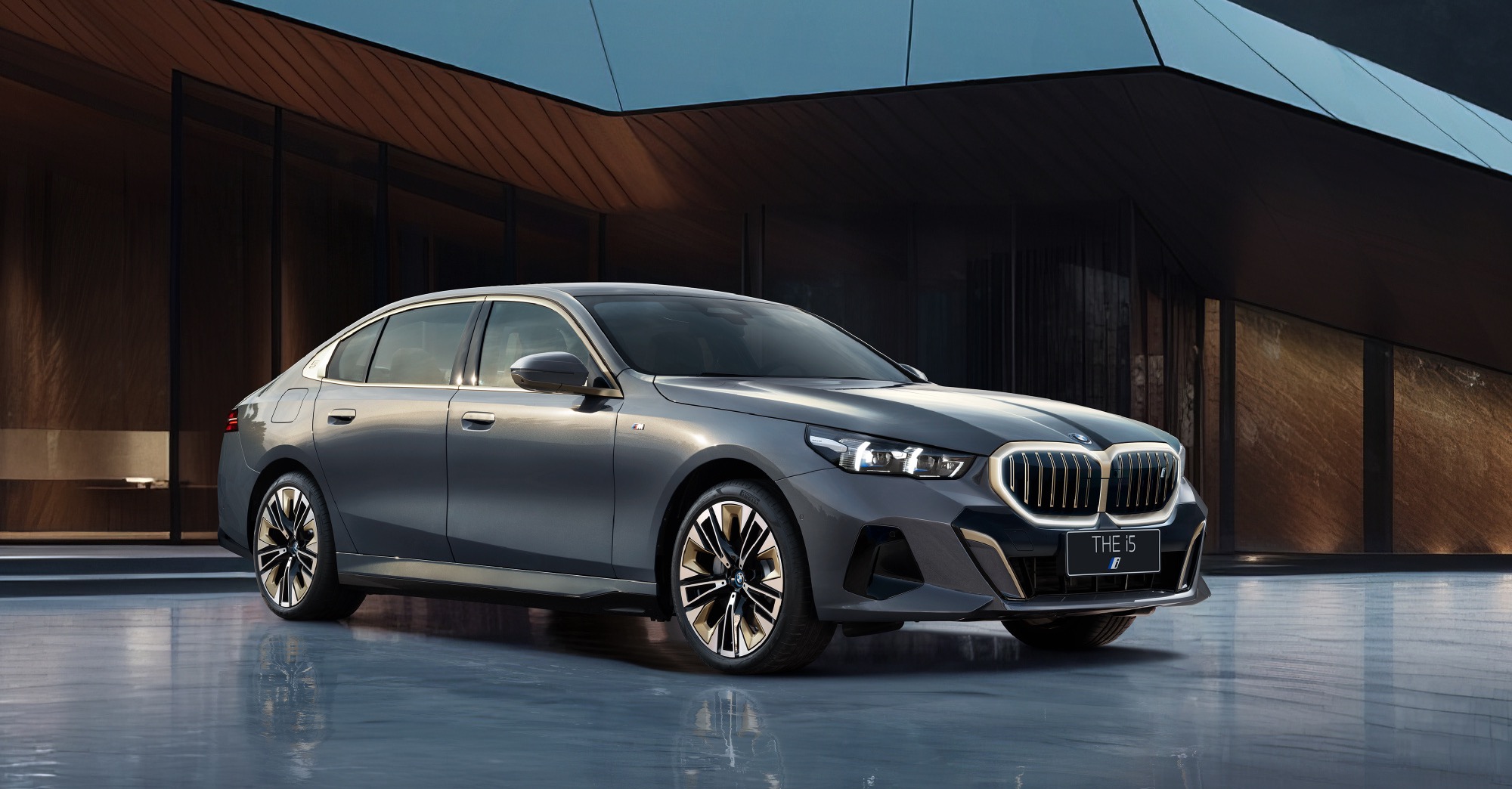
Recently, media reports have revealed that BMW will cease production of the i5 and iX1 models starting in July, following the already confirmed discontinuation of the domestic BMW i3.
These two models are positioned respectively as a pure-electric mid-to-large sedan and a pure-electric compact SUV, and were BMW’s main products in the early stage of its electrification transition in China.
This production halt signals that BMW is officially bidding farewell to the “oil-to-electric” transitional phase in the Chinese market and fully shifting to the “Neue Klasse” dedicated EV platform.

From sales data, the poor market performance of the BMW i5 and iX1, which have long been marginalized, is the direct reason for the discontinuation decision.
As the all-electric version of the BMW 5 Series, the i5 has consistently fallen short of expectations since its launch. Data shows that in 2025, the BMW i5 sold only 6,379 units in China, with a monthly average of about 531 units. In the first five months of 2026, cumulative sales reached 1,493 units, averaging fewer than 300 per month.
In contrast, the combustion-engine BMW 5 Series sold over 120,000 units in 2025, with monthly sales exceeding 10,000, presenting a stark contrast.
The BMW iX1’s sales are similarly marginal. In 2025, total annual sales were 14,088 units, averaging fewer than 1,200 per month. In July alone, sales were only 882 units, down 51.83% year-on-year.

The core problem with the BMW i5 and iX1 lies in their “oil-to-electric” conversion nature. Both models are adapted from BMW’s CLAR fuel-vehicle platform rather than being native EV platforms, leading to generational gaps in key metrics such as range, interior space, and smart features compared to competitors built on dedicated EV platforms.
Taking range as an example, the BMW iX1 is equipped with a 64.7 kWh battery and offers a CLTC range of 450–510 km, whereas rival Chinese-brand models in the same class commonly exceed 600 km.
Notably, the discontinuation of the i5 and iX1 is essentially a move to make way for the “Neue Klasse” models.
According to the plan, 2026 is a major product year for BMW, with the group planning to launch around 20 new models in the Chinese market, including the all-new iX3L, the next-generation X5, and the 7 Series.
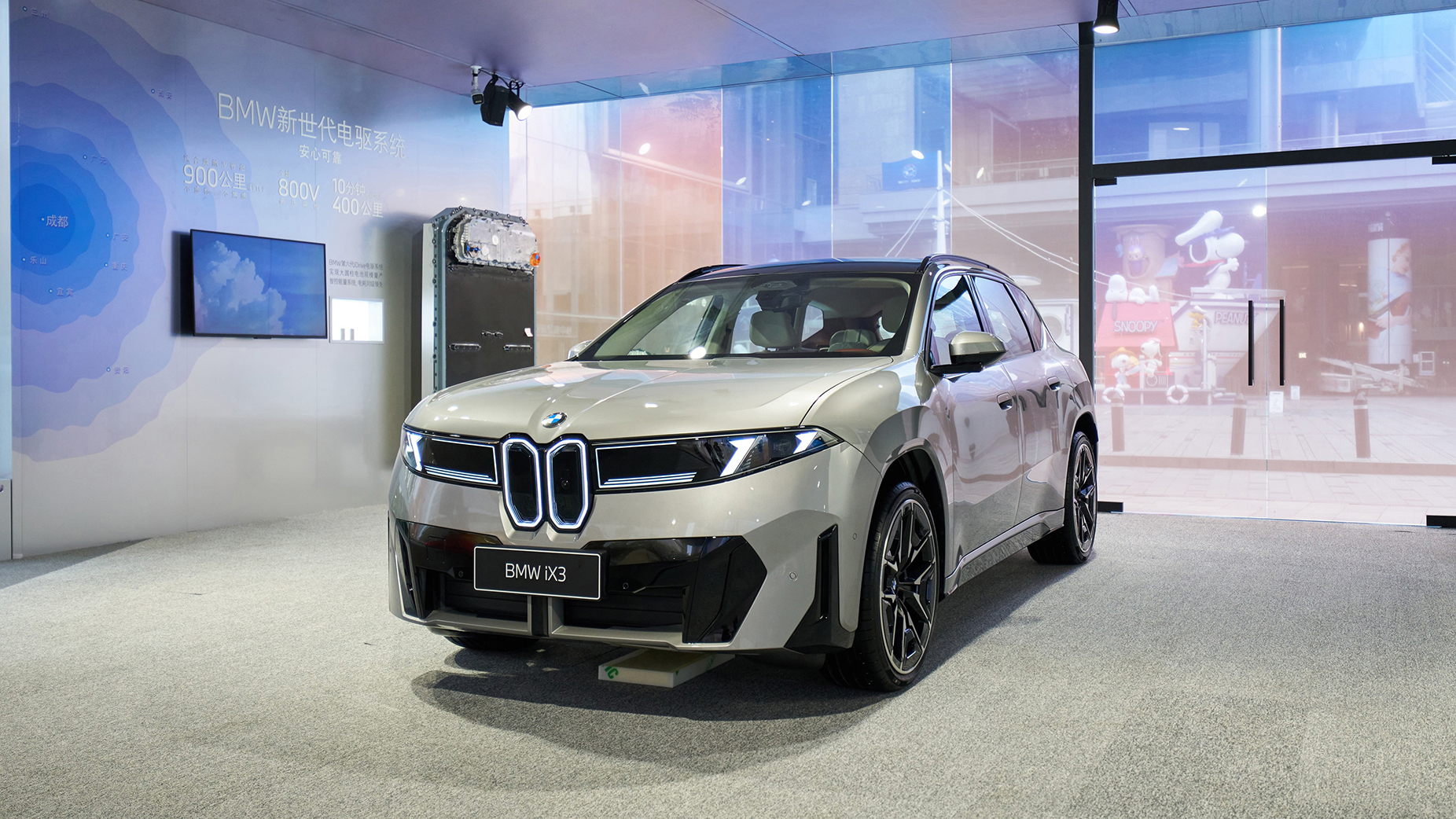
Among them, the BMW iX3L officially appeared on the MIIT (Ministry of Industry and Information Technology) public list in April this year. The filing shows that the new car measures 4,885 mm in length, 1,895 mm in width, and 1,635 mm in height, with its wheelbase extended by 108 mm to 3,005 mm, which will significantly improve the interior space performance.
In terms of powertrain, the new model is equipped with a 108 kWh NMC battery pack supplied by EVE Energy, delivering a CLTC pure-electric range of over 900 km. As the first China-exclusive Neue Klasse model, the vehicle will incorporate localized smart solutions such as Huawei HiCar and an AI engine co-developed with Alibaba.

It should be added that vehicles based on the Neue Klasse platform will adopt 800V high-voltage architecture, large cylindrical cells, and a new electrical/electronic architecture, significantly improving range and charging speed.
It is reported that BMW plans to invest 20 billion RMB(~ USD 2.96 billion) to upgrade its Shenyang Dadong plant for the localization of Neue Klasse models.
To date, BMW has accumulated investment of 116 billion RMB(~ USD 17.168 billion) in Shenyang, establishing its largest production base globally. In January 2026, the first batch of domestic Neue Klasse test vehicles rolled off the line in Shenyang.
Discover more from ChinaEVHome
Subscribe to get the latest posts sent to your email.