- Baidu’s Apollo Go inks deal with Kazakhstan’s Turlov to deploy China’s first Robotaxi service in Central Asia.
- Apollo Go ranks No.1 globally in Robotaxi performance and has delivered over 22 million rides across 27 cities.
- Baidu’s AI business, including autonomous driving, hit RMB13.6B in Q1 2026 and now fuels over 50% of core revenue.
Ahead of the 2026 World Artificial Intelligence Conference (WAIC), Baidu announced that its autonomous ride-hailing platform Apollo Go has signed a strategic cooperation agreement in Shanghai with Kazakhstan’s Turlov Private Holding Ltd. (TPH).
The two companies will jointly explore the deployment of autonomous ride-hailing services in Kazakhstan, marking the first entry of a Chinese Robotaxi service into the Central Asian market.

Under the agreement, the two sides will cooperate on launching Robotaxi services in Kazakhstan. Baidu has not yet disclosed the target cities, fleet size or commercialization timeline.
Over the past year, Apollo Go has signed strategic partnerships with multiple international companies as it accelerates its global expansion.
In December 2025, Apollo Go partnered with Uber and Lyft to launch Robotaxi pilot programs in the United Kingdom, with commercial operations scheduled to begin by the end of this year.

Before expanding into Kazakhstan, Apollo Go had already established a significant presence in the Middle East.
In January, the company received a fully driverless testing permit from Dubai’s RTA, with plans to expand its fully autonomous fleet in the emirate to more than 1,000 vehicles in the future.
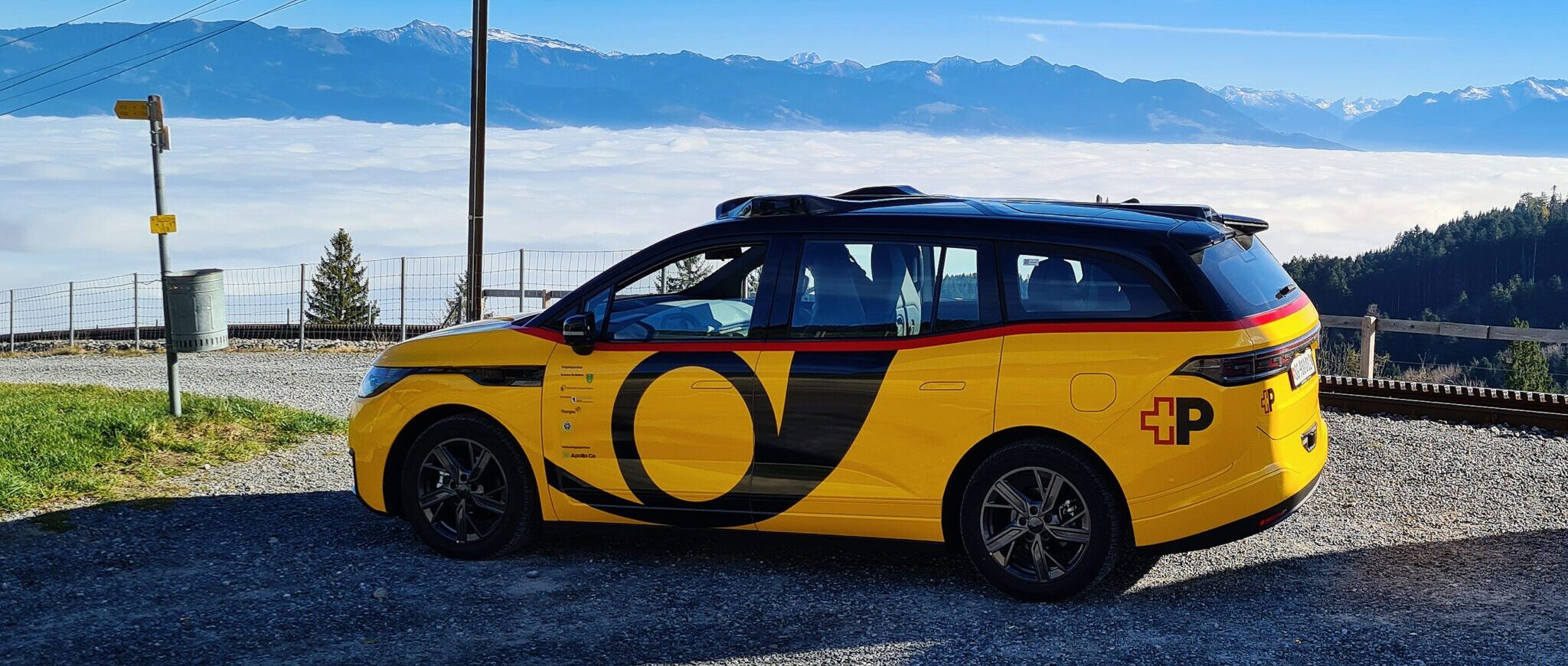
In June, Apollo Go also secured a Level 4 Robotaxi operating permit in Switzerland, with public commercial services expected to begin in 2027.
Meanwhile, Baidu continues to expand across Asia. According to the company, South Korea has become Apollo Go’s newest overseas market, with the Seoul metropolitan area selected as its first deployment location.

It also marks Apollo Go’s first expansion into an Asian market outside mainland China and Hong Kong.
As its international projects continue to grow, Apollo Go’s operating scale is also expanding.
As of May this year, the platform had expanded to 27 cities worldwide, including overseas markets such as Dubai and Abu Dhabi, completing more than 22 million rides cumulatively.
In the latest Robotaxi rankings released by autonomous driving research firm AUTNMY AI, Apollo Go ranked first globally for the first time with a composite score of 81.7, surpassing Waymo’s 77.6.

From a financial perspective, Baidu’s AI segment, which includes autonomous driving, is emerging as a key growth engine.
In Q1 2026, revenue from its AI business reached RMB 13.6 billion ($2.01 billion), accounting for 52% of Baidu’s core business revenue, the first time the segment has contributed more than half of the total.
Discover more from ChinaEVHome
Subscribe to get the latest posts sent to your email.
