- firefly launches Halo Series Habitat at RMB 133,300 ($19,680), pricing design over performance.
- Habitat upgrades materials, colors, and detailing while keeping motor, range, and tech unchanged.
- firefly bets emotional design will justify premium but limits Habitat’s mass-market appeal.
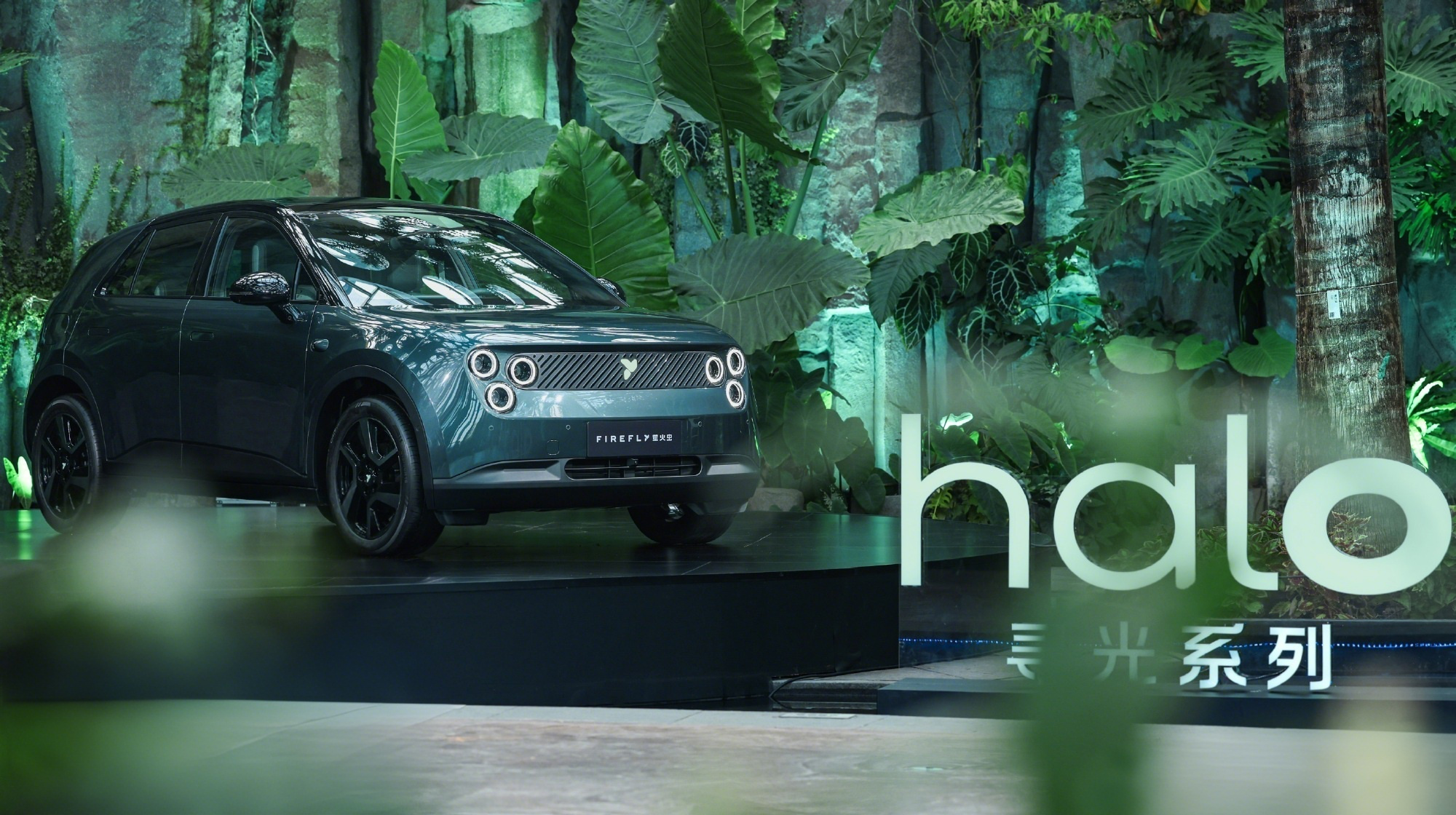
On the evening of July 20, against the lush backdrop of Shanghai’s Greenhouse Garden, firefly unveiled a more premium side of the brand.
This was not another limited-run “Easter egg” edition like the Pixel Player Edition, Pastoral Melange Edition or Nocturnal Creature Edition.
Instead, the Halo Series’ inaugural model, Habitat, marks the debut of a dedicated annual premium product line.

The new model is priced at RMB 133,300 ($19,680), while the Battery-as-a-Service (BaaS) version starts at RMB 93,300.
That represents a premium of RMB 7,500-13,500 ($1,100-$1,990) over the refreshed model lineup priced between RMB 119,800 ($17,640) and RMB 125,800 ($18,530).
Two years ago, on Dec. 21, 2024, when firefly made its debut at NIO Day 2024, its unconventional styling left many questioning the prospects of the newly launched brand.
Few could have predicted that nearly 15 months after its official market launch, firefly would surpass 70,000 cumulative deliveries, maintain monthly deliveries of around 6,000 units, and emerge as the leader in China’s premium compact battery electric vehicle segment.
Even fewer would have expected the brand to move further upmarket with an even more premium offering.
From widespread skepticism to growing market acceptance, firefly has staged an impressive turnaround.
The question now is: what has the Halo Series’ first model, Habitat, upgraded to support the brand’s move further upscale?
The answer lies in its interpretation of “light.”
Design Takes Center Stage
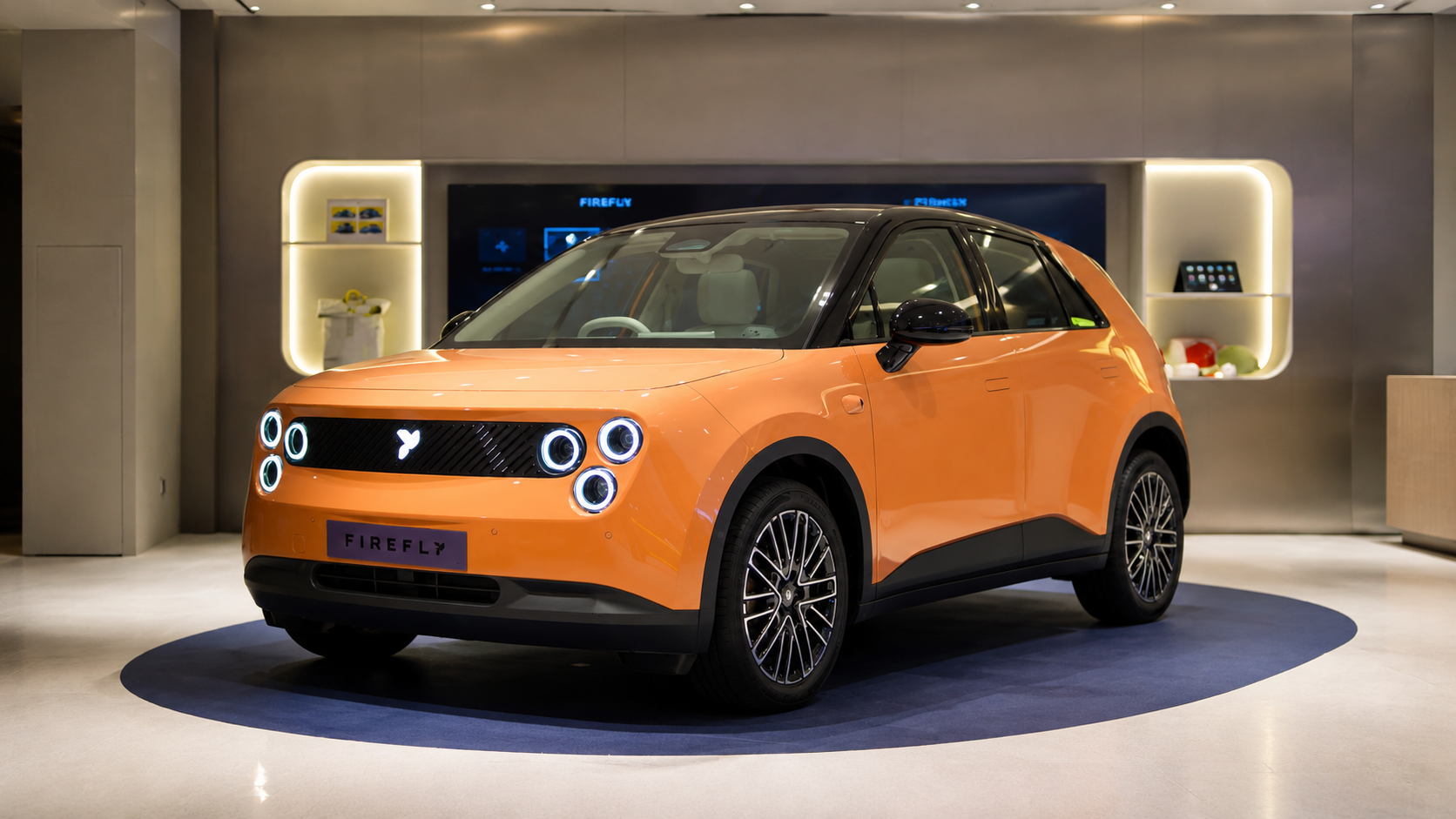
At first glance, Habitat is not a flashy premium vehicle.
Its exclusive exterior color, Tranquil Green, is inspired by “the nighttime forest where fireflies live,” according to the company.
Under brighter lighting it appears as a deep forest green, while in dimmer conditions it takes on an even darker tone, giving the vehicle a calm and understated presence.
To reinforce firefly’s 2026 “Inner Glow” design language, Habitat features light firefly-green exterior badging, dual-tone alloy wheels, and an illuminated front emblem with a soft glow.

These subtle highlights create visual contrast without making the car overly bold.
Inside, the cabin adopts a Relax Green color scheme that is brighter and softer than the exterior finish.
Light firefly-green accents appear beneath the door armrests, on the seat belts, steering wheel logo, seat stitching, and the exclusive Halo Series badge in front of the passenger-side air vent, adding visual depth throughout the cabin.
The vehicle also uses soft blended fabric materials across the upper portions of the seats and other interior surfaces to create a richer sense of texture.
Habitat incorporates numerous thoughtful design touches inside and out, and successfully expresses the “Inner Glow” design philosophy.
A closer look, however, reveals that its four core capabilities—powertrain, driving range, intelligent features and safety—remain unchanged.
Its rear-mounted 120 kW electric motor, 420 km CLTC driving range and iACC intelligent adaptive cruise control system are virtually identical to those of the RMB 125,800 ($18,530) refreshed Glow Edition.
Every upgrade introduced under the Halo Series focuses on design, materials and other details that enhance perceived quality rather than core hardware.
In China’s fiercely competitive automotive market, that makes Habitat something of an outlier.
With Habitat and the Halo Series, firefly appears to be betting that design alone can justify a higher price tag.
That philosophy has been central to the brand’s success over the past year, but it also represents Habitat’s biggest challenge.
Beyond the Halo Series
Behind those 70,000 deliveries lies a more fundamental question than whether the BaaS model has expanded the possibilities for both firefly and NIO Inc.
The more important question is whether the brand has genuinely captured the elusive “emotional value” that many in the industry have long regarded as little more than a buzzword.
Positioned in the RMB 110,000-130,000 ($16,190-$19,150) price bracket, firefly sits RMB 30,000-40,000 ($4,420-$5,890) above mainstream compact battery EVs.
That pricing provides more room in the bill of materials, allowing the company to invest in design, materials, driving dynamics and craftsmanship—areas where competitors often optimize aggressively for cost.

Speaking at the 18th Xuanyuan Auto Blue Book Forum in May, NIO founder, chairman and CEO William Li compared firefly to Apple’s iPhone, arguing that the latter has evolved beyond being merely a communications device into a fashion accessory and lifestyle symbol.
In his view, firefly has similarly moved “beyond being just a means of transportation.”
At the launch event, firefly President Daniel Jin also outlined the target audience for both the brand and the Halo Series: young urban consumers who value aesthetics and individual expression.
For these buyers, firefly represents not simply mobility, but a reflection of personal taste and lifestyle.
A look across firefly’s owner communities shows many users sharing custom modifications, interior personalization projects and lifestyle content on social media.
The brand’s frequent releases of limited-edition “Easter egg” models, together with official customized show cars displayed at auto shows, continue to reinforce its identity as a socially driven and highly personalized brand.
Meeting consumers’ desire for individuality, however, does not necessarily guarantee they will pay a premium.
With virtually no upgrades in powertrain, intelligence or driving range, Habitat asks buyers to pay more than RMB 10,000 ($1,470) extra primarily for exclusive colors, upgraded materials and a more refined design package—a proposition that remains rare in China’s automotive market, particularly in the highly competitive new energy vehicle sector.
Habitat will therefore appeal to a smaller and more discerning group of buyers, making it unlikely to become a high-volume product.
By launching Habitat and the Halo Series, firefly is pursuing more than simply a broader product lineup.
It is also seeking to further cement its reputation as a brand for small cars with distinctive character.
Discover more from ChinaEVHome
Subscribe to get the latest posts sent to your email.