- China imported 200,000 vehicles in H1 2026, down 11% year‑on‑year.
- Japan supplied over half of imports with 103,493 units, deepening source concentration.
- Pure electric and plug‑in hybrid imports plunged 36% and 58%, while gasoline models still dominate.
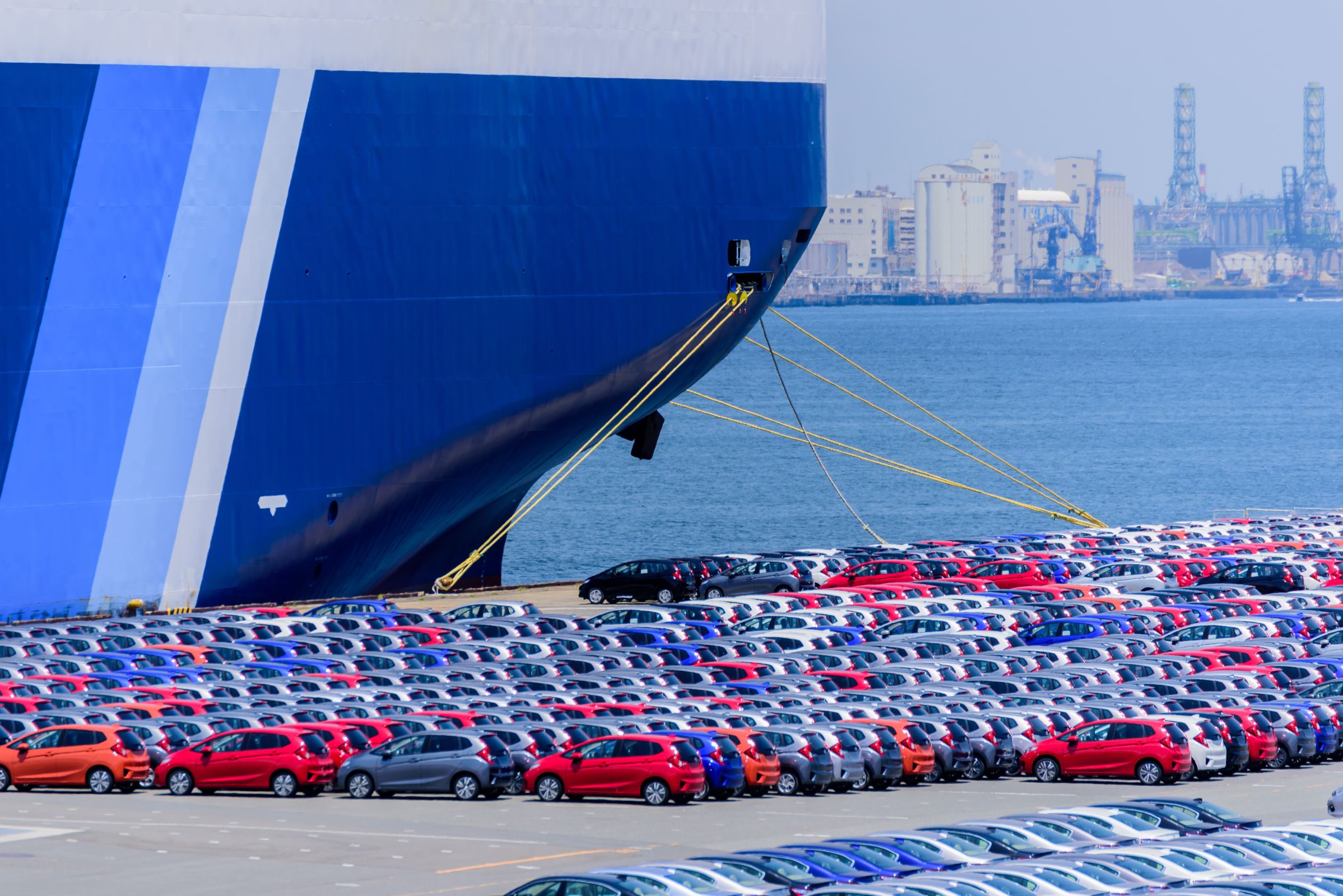
China imported 200K vehicles in the first half of 2026, down 11% from a year earlier, as rising competitiveness of domestic automakers and faster localization by global brands continued to weigh on import demand.
China imported 38K vehicles in June, down 11% year on year, bringing total imports in January-June to 200K units, down 11% compared with the same period last year. The decline remained relatively stable, but the long-term contraction trend in China’s imported vehicle market continued.

The shrinking import market was mainly driven by stronger domestic brands and accelerated localization of international automakers, both replacing demand for imported vehicles. Geopolitical tensions also disrupted shipping logistics, affecting vehicle arrival schedules in the second quarter.
Japan and Germany remained the top two sources of imported vehicles in June. Japan exported 18,486 vehicles to China during the month, followed by Germany with 9,272 units. Slovakia ranked third with 4,122 units, followed by the United States with 3,359 units and the UK with 1,426 units. Mexico, Austria, South Korea, South Africa and Poland also entered the top 10 import sources in June.
For the first half, Japan remained the largest source of China’s imported vehicles with 103,493 units, followed by Germany with 44,311 units, the United States with 17,732 units, Slovakia with 13,520 units and the UK with 10,855 units. Japan alone accounted for more than half of China’s total vehicle imports, highlighting the market’s heavy reliance on a limited number of sources.
Passenger vehicles continued to dominate the import structure. China imported 37,895 passenger vehicles in June, accounting for more than 99% of total imports. Sedans accounted for 19,445 units, or 51%, while four-wheel-drive SUVs reached 9,946 units, or 26%.

Imported new energy vehicles continued to decline. From January to June, China imported 1,580 pure electric passenger vehicles, down 36% year on year. Plug-in hybrid vehicle imports fell 58% to 1,120 units.
Gasoline-powered vehicles remained the backbone of the import market. In June, pure gasoline models accounted for 27,248 imported vehicles, representing more than 72% of total imports.

By brand, imported vehicle demand continued to shift toward luxury brands. Lexus remained the top imported luxury brand in China. The Japanese premium brand imported 70,589 vehicles in the first half of 2026, reaching one of its strongest levels over the past four years.

Ultra-luxury brands faced broader pressure. During the first half, Bentley imported 704 vehicles, Maserati 266 units, Rolls-Royce 230 units and Ferrari 270 units. All four brands recorded year-on-year declines. Maserati briefly recovered in 2025 before sliding again. Bentley and Rolls-Royce continued their downward trend, while Ferrari posted a relatively smaller decline, showing greater resilience in the ultra-luxury segment.
Discover more from ChinaEVHome
Subscribe to get the latest posts sent to your email.