- XPeng forecasts per-vehicle Robotaxi break-even in Guangzhou by H2 2027.
- XPeng will sell Robotaxi vehicles, autonomy and AI to partners instead of operating fleets.
- Overseas markets and a 2025–2028 Physical AI push will drive XPeng’s Robotaxi growth.
XPeng CEO He Xiaopeng said in a recent interview with WSJ that the company’s Robotaxi business in Guangzhou is expected to achieve per-vehicle break-even as early as the second half of 2027.
He said the key factor determining Robotaxi profitability is not fleet size, but vehicle density within an operating area.
Once vehicle utilization reaches a sufficiently high level within a defined service area, even fleets of only a few hundred vehicles in smaller cities could potentially reach profitability.

To support that goal, XPeng has mapped out its next phase of product development.
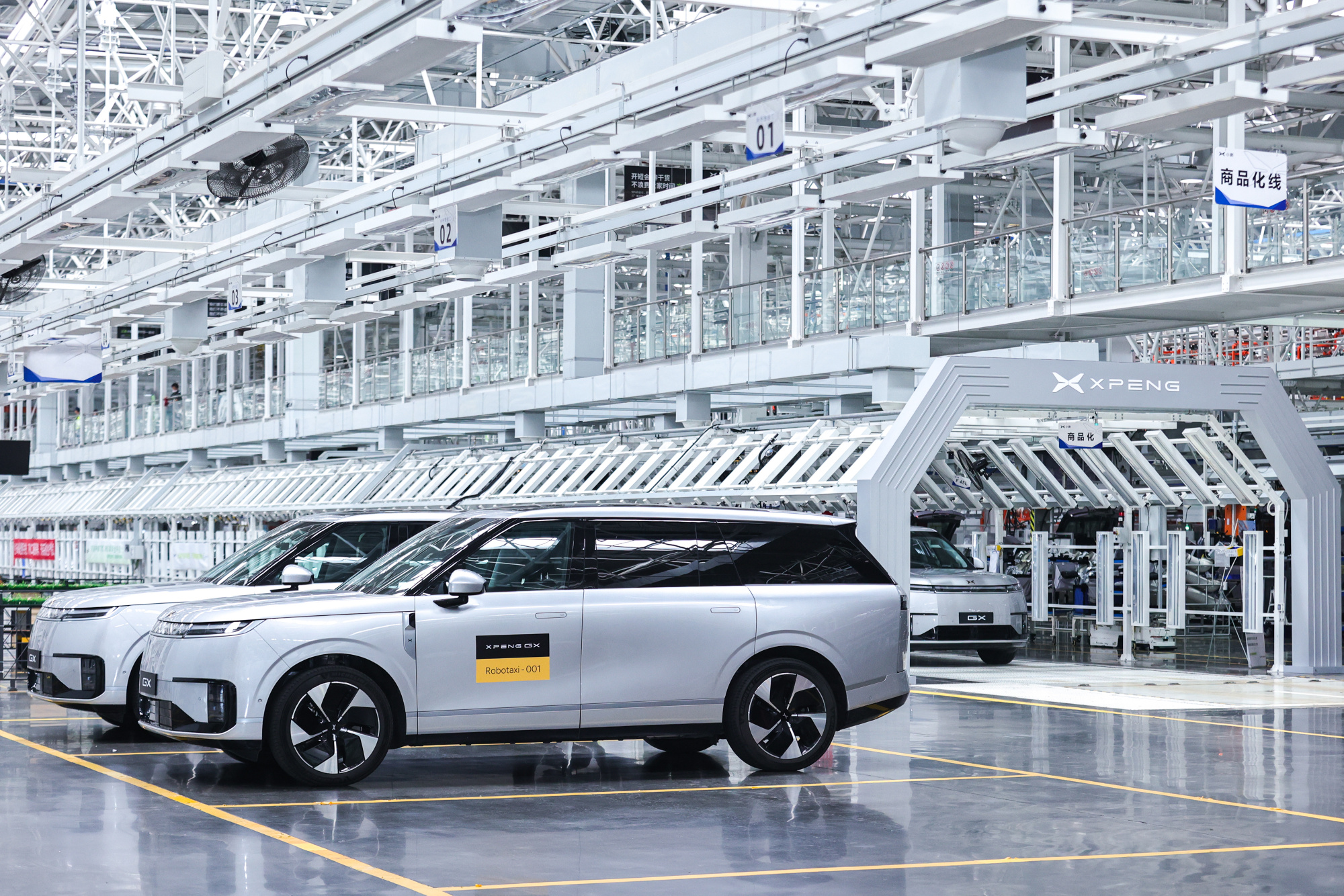
The company plans to launch a new vehicle designed specifically for Robotaxi applications next year and gradually expand the service into overseas markets.
XPeng is currently in discussions with dozens of potential partners, with more than half based outside China.
He expects overseas markets to account for the majority of XPeng’s future Robotaxi business.

Unlike Waymo, which directly operates its own Robotaxi fleet, XPeng is pursuing a platform-based model.
He said XPeng will not manage daily fleet operations. Instead, it will provide vehicles, autonomous driving systems and AI technology to local partners, which will be responsible for fleet operations.
XPeng aims to become a provider of integrated Robotaxi hardware and software solutions rather than a mobility service operator.
Robotaxi is also a key pillar of XPeng’s broader Physical AI strategy.
He said automobiles and robotics will increasingly converge over the next decade, adding that “cars will increasingly become robots on four wheels.”
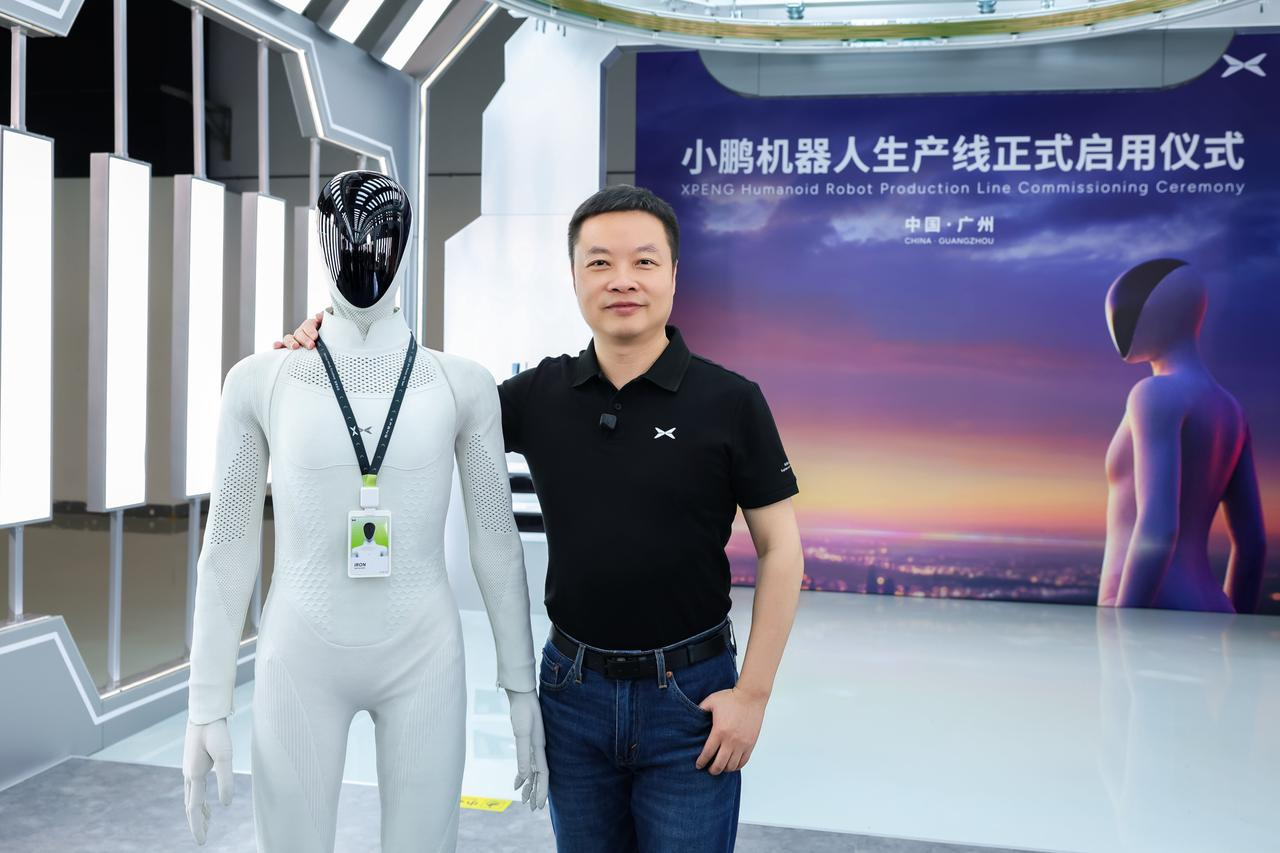
Rather than relying solely on vehicle sales growth, XPeng sees its next phase of expansion being driven by Physical AI businesses, including smart vehicles, Robotaxis and humanoid robots.
XPeng first announced its entry into the Robotaxi sector in November 2025, with the goal of developing China’s first fully in-house Robotaxi platform.
Earlier this month, He also revealed that the company had completed its first internal Robotaxi ride experience.

It covers the entire operating process from ride-hailing and autonomous pickup to trip completion, indicating that the system has entered real-world operational validation.
Robotaxi has become one of the most competitive segments in the global autonomous driving industry.
Following China’s recent resumption of Robotaxi permit approvals, commercialization efforts are expected to accelerate again.
At the same time, companies including Waymo, Tesla, Baidu’s Apollo Go, WeRide and Pony.ai are continuing to expand their Robotaxi businesses.
Instead of building and operating its own fleet, XPeng is entering the market through technology licensing and platform partnerships, seeking to scale rapidly with lower capital investment.
The approach sets its Robotaxi strategy apart from the industry’s prevailing operating model.
Discover more from ChinaEVHome
Subscribe to get the latest posts sent to your email.