- China restarts Robotaxi permit approvals after a nationwide safety review halted new licenses.
- Momenta wins a Shenzhen road-testing permit, accelerating Robotaxi deployments beyond Shanghai and Suzhou.
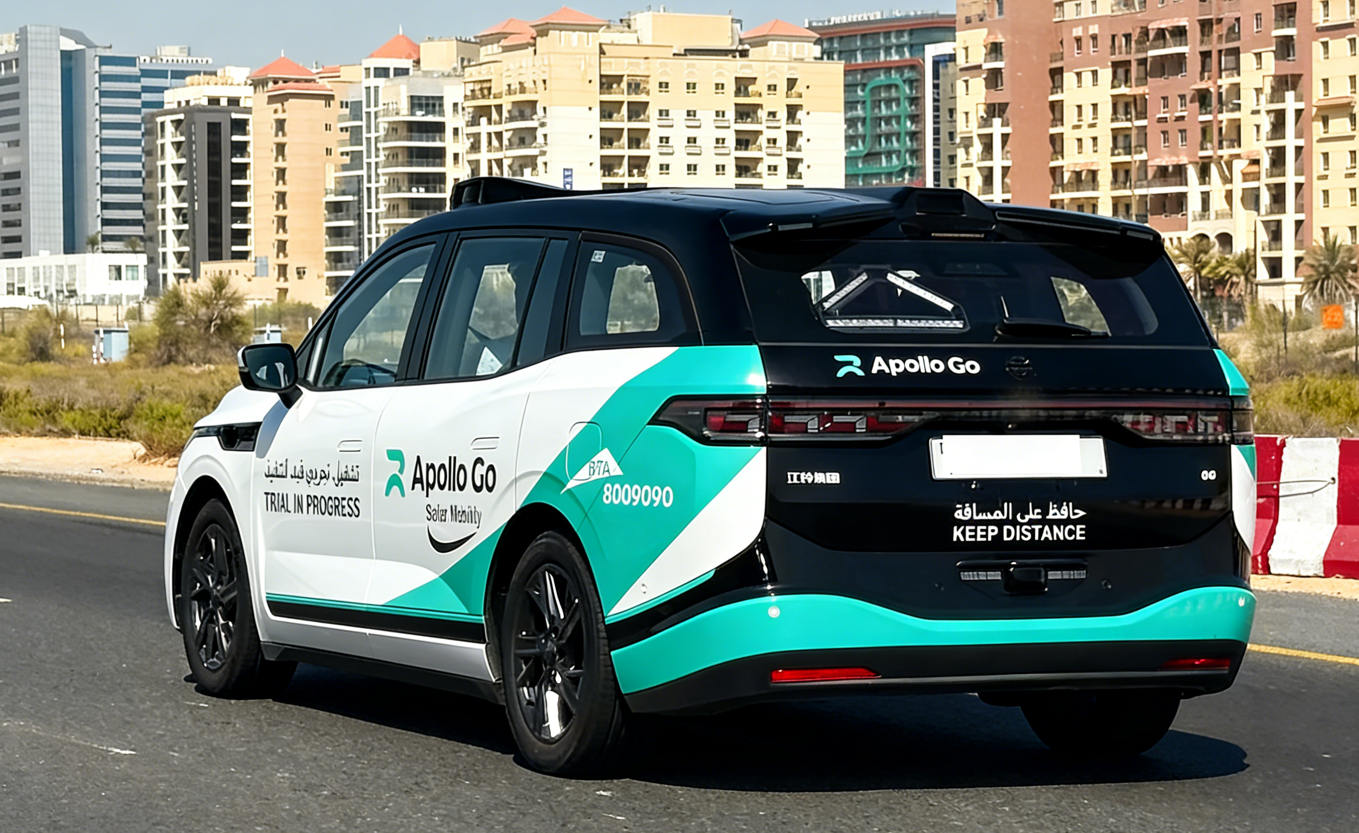
- Baidu’s Apollo Go returns to Wuhan roads amid tightened rules and pending conclusions about the March shutdown.
China has resumed issuing permits for autonomous taxi (Robotaxi) operations, according to people familiar with the matter cited by Bloomberg on July 23.
After several months of suspended approvals, China’s Robotaxi industry has re-entered an expansion phase, reopening the path for autonomous driving companies to advance testing and commercialization.
The licensing restart follows a major safety incident earlier this spring.
In late March, Baidu’s Apollo Go Robotaxi service experienced a large-scale vehicle shutdown in Wuhan, Hubei province, leaving multiple passengers stranded inside vehicles and causing localized traffic congestion.

Following the incident, regulators suspended the issuance of new Robotaxi permits and launched a comprehensive industry-wide safety inspection.
People familiar with the matter said regulators had largely completed the nationwide safety review by the end of June, after which several cities gradually resumed permit approvals.
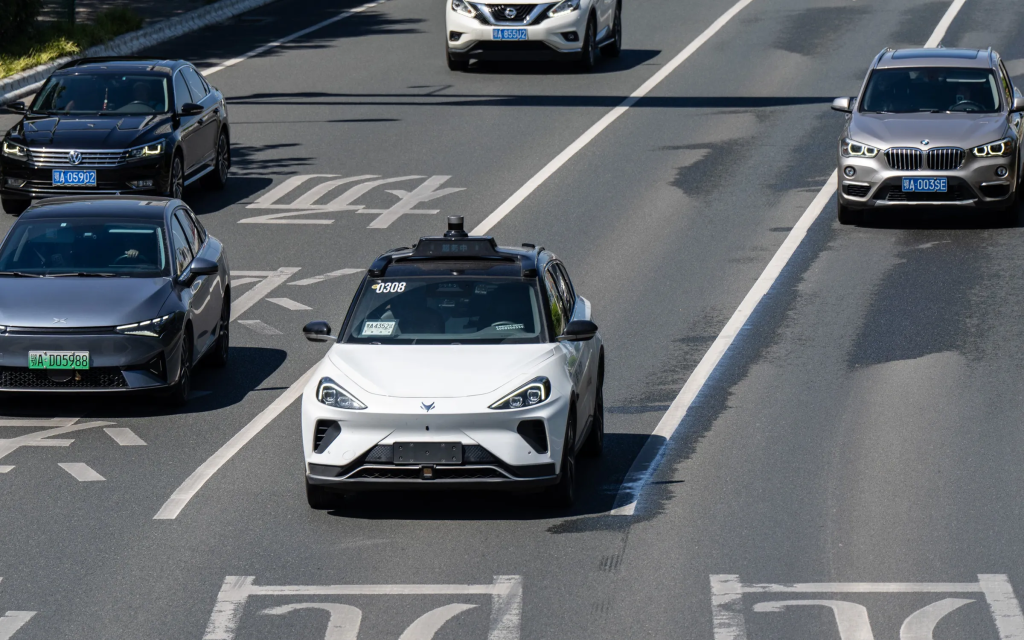
According to the report, one of the first newly issued permits was granted to Momenta, allowing the company to conduct Robotaxi road testing in Shenzhen, a major city in southern China.
On July 21, Momenta announced that it had obtained an intelligent connected vehicle road-testing permit in Shenzhen.
Following Shanghai, Suzhou and Wuxi, Shenzhen has become another key deployment city for the company in China.

Meanwhile, Shenzhen has recently revised its regulations governing intelligent connected vehicles, further expanding access for Robotaxi operations across the city and providing additional policy support for future commercial deployment.
Signs have also emerged that Baidu’s Robotaxi operations in Wuhan are resuming.
Since early July, local residents have shared photos and videos on social media showing Apollo Go vehicles back on the road, with some vehicles operating with safety drivers onboard.
Neither Baidu nor regulators have disclosed the official findings regarding the cause of the large-scale vehicle shutdown in Wuhan in March.
Industry observers have speculated that the incident may have been triggered by the system’s built-in safety self-check mechanism.

At the same time, Beijing is drafting new regulations for advanced autonomous driving, introducing clearer requirements for vehicles, onboard AI systems and operational safety management as part of broader efforts to strengthen the industry’s regulatory framework.
Globally, Robotaxi services have become one of the most competitive segments in autonomous driving.
Chinese companies including Baidu, Momenta, Pony.ai and WeRide are competing to commercialize the technology alongside international players such as Alphabet’s Waymo.
With Robotaxi permit approvals resuming, China’s autonomous taxi sector is expected to enter a new phase in which testing, commercial operations and large-scale deployment advance in parallel.
Discover more from ChinaEVHome
Subscribe to get the latest posts sent to your email.