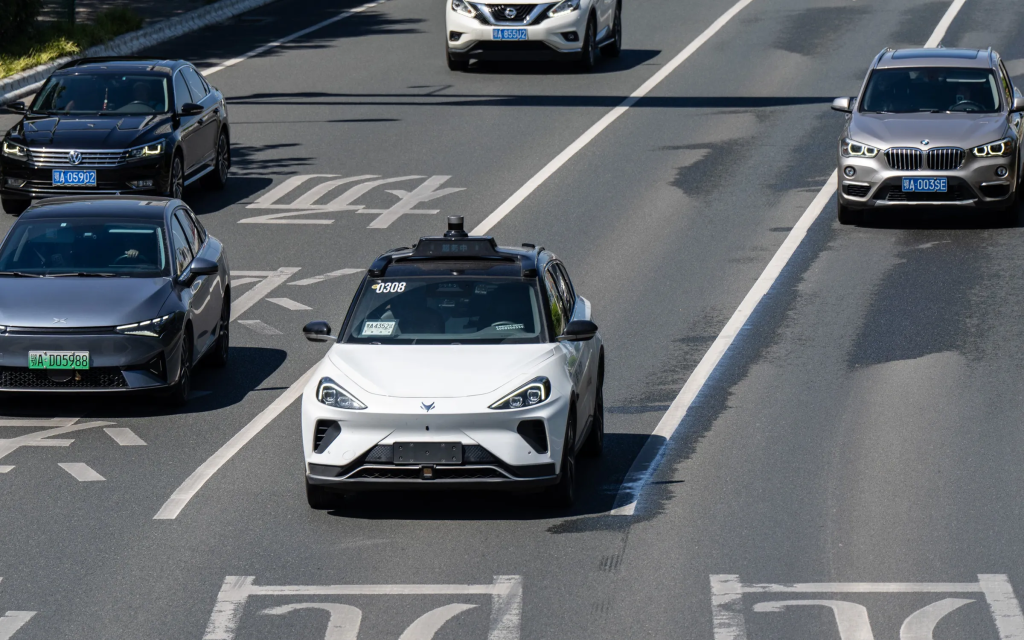
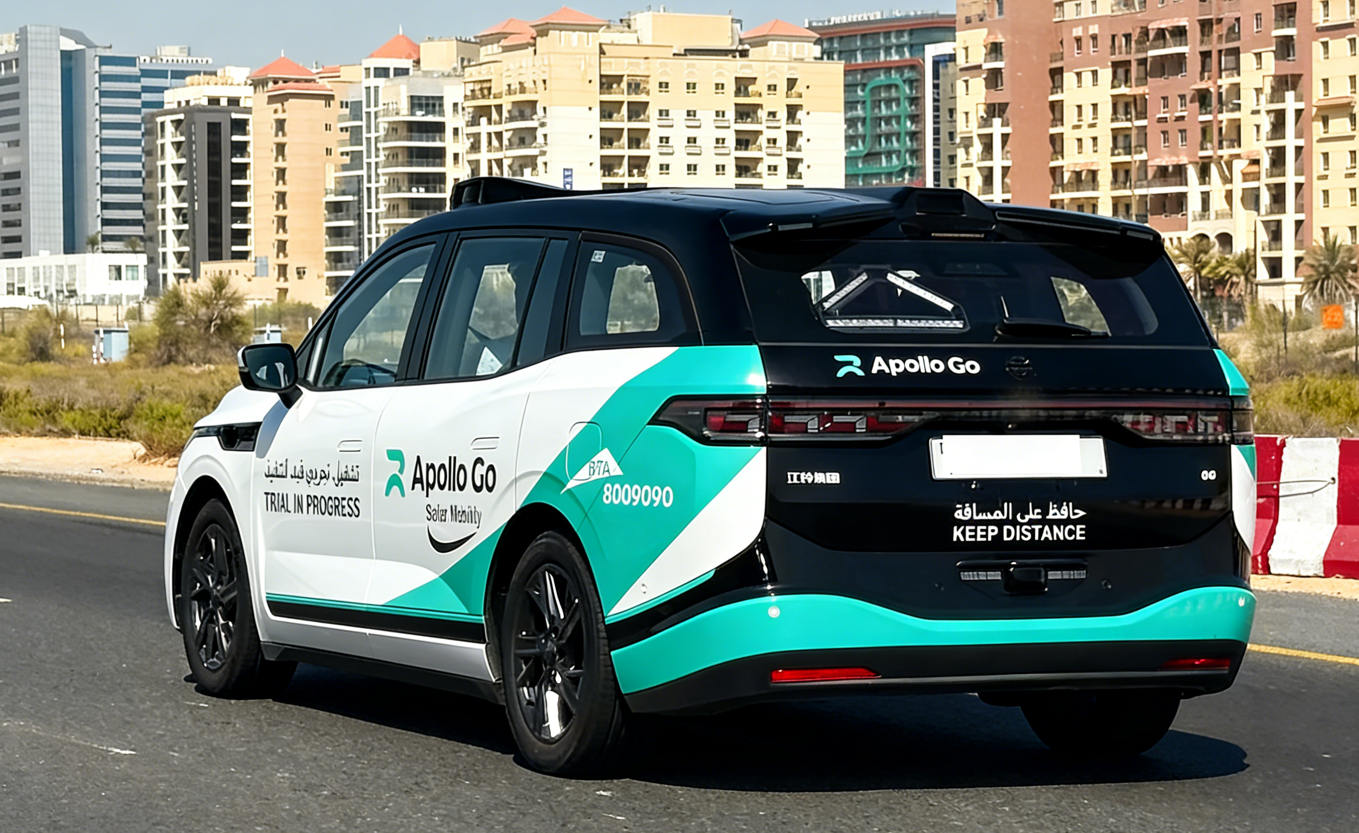
- Baidu’s Apollo Go began robotaxi road tests in London with Uber and FreeNow partnerships, marking first Chinese AV trials in UK traffic.
- Tests use Apollo RT6 vehicles with safety drivers in Brent, targeting public service launch in 2027.
- Apollo Go touts 27-city footprint, 22 million trips and over 330 million km driven, pushing global scale into Europe.
On July 28, Baidu’s Apollo Go announced the launch of public road testing in London, partnering separately with global mobility platform Uber and Lyft’s European mobility platform FreeNow.
The tests represent the first time Chinese autonomous vehicles have undergone real-world road testing in London’s complex traffic environment.
It also marks another expansion into a right-hand-drive, left-hand-traffic market following Apollo Go’s previous deployment in Hong Kong.

Unlike mainland China, where vehicles use left-hand drive and drive on the right side of the road, the UK features different vehicle configurations, traffic rules and road conditions.
London’s narrow streets, roundabouts, complex intersections and mixed traffic involving bicycles and other road users present additional challenges for autonomous driving systems, particularly in environmental perception, route planning and safety decision-making.
The test vehicles will be based on the Apollo RT6 autonomous driving platform.
FreeNow said the vehicles will continue to operate with safety operators during the testing phase, which will initially cover London’s Brent borough. The partners plan to open the service to the public from 2027.

In fact, Apollo Go began cooperation with Uber and Lyft late last year to explore Robotaxi pilot programs in the UK.
In July last year, Baidu Apollo Go and Uber reached a partnership agreement aimed at expanding autonomous ride-hailing services beyond mainland China and the United States into international markets.
According to Uber’s previous plans, thousands of Apollo Go autonomous vehicles are expected to join its global mobility network, with related commercial services scheduled to begin by the end of this year.
In August last year, Apollo Go and Lyft reached a partnership agreement to promote autonomous mobility services in major European cities through the FreeNow platform.
In March this year, Lyft CEO David Risher visited Baidu and experienced Apollo Go’s autonomous ride-hailing service, further advancing cooperation between the two companies.

The UK government has been actively promoting the autonomous driving industry in recent years.
It estimates that the sector could generate more than £42 billion ($55.9 billion) in economic value and create around 40,000 jobs by 2035.
In terms of consumer acceptance, Lyft cited a Censuswide survey showing that 58% of London respondents said they were willing to try autonomous vehicles, with support among people under 35 approaching two-thirds.
So far, Apollo Go has launched operations or testing programs in 27 cities worldwide, including Beijing, Shenzhen, Hainan, Dubai and Abu Dhabi.
The company has completed more than 22 million autonomous ride-hailing trips, with cumulative autonomous driving mileage exceeding 330 million km, including more than 220 million km completed under fully driverless operation.
Discover more from ChinaEVHome
Subscribe to get the latest posts sent to your email.