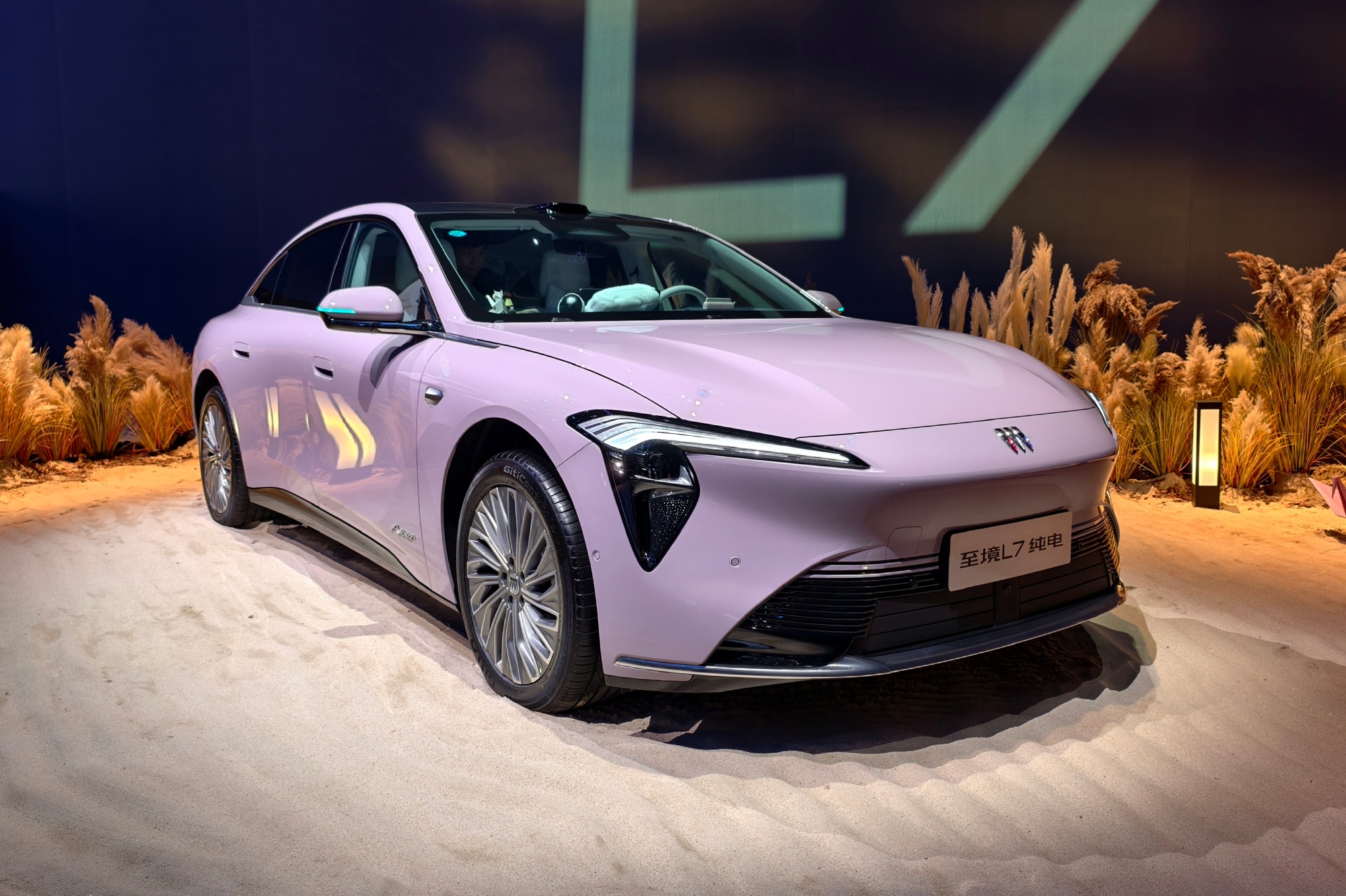
- Chevrolet will stop focusing on domestic retail in China and pivot to using SAIC‑GM’s local plants as export-focused production bases amid collapsing local demand and brand contraction.
- Chevrolet retail sales plunged to 8,747 units in 2025, down 83.4% year‑on‑year, while exports reached 17,159 vehicles in 2024 and 15,917 in 2025.
- Direct rivals include domestic NEV makers and Buick within SAIC‑GM, with execution risks in timely NEV product rollout, dealer consolidation, and margin pressure from export logistics.
Recent reports suggested that Chevrolet would stop selling vehicles in China and withdraw from the Chinese market.
In response, General Motors said in a Chinese media report that SAIC-GM will continue producing Chevrolet models in China while actively exploring export opportunities in markets outside the United States.
The move indicates that Chevrolet’s China strategy will shift from domestic retail sales toward exports, while Chinese plants will continue to serve as production bases for related models.
Regarding after-sales support for existing customers, GM said it will continue providing service coverage for more than 7 million Chevrolet owners in China.
According to an industry source from CADA, after-sales services for Chevrolet’s existing customer base could gradually be transferred to Buick’s dealer network.

The signs of Chevrolet’s contraction in China have been visible for some time. The brand’s official website shows that its dealer network has significantly declined in some regions.
For example, Zhejiang province now has only one remaining dealership in Hangzhou, while some provinces no longer have official Chevrolet sales outlets.
Chevrolet entered the Chinese market in 2005 and has since been operated by SAIC-GM.
During its early years in China, the brand gained strong momentum with models such as the Cruze and Malibu, covering segments including compact sedans, midsize vehicles and SUVs.
2014 marked Chevrolet’s peak performance in China. The brand sold more than 700,000 vehicles that year, helping SAIC-GM secure a position among China’s top automotive groups by sales volume.

However, market conditions later changed, and Chevrolet gradually fell into decline.
In 2018, GM promoted its three-cylinder engine strategy in China, with several Chevrolet mainstream models adopting the powertrain. However, market acceptance fell short of expectations.
Meanwhile, Buick continued expanding downward into lower price segments, creating internal competition between the two brands in some market categories and weakening Chevrolet’s positioning.
At the same time, Chinese automakers accelerated their development in electrification and intelligent vehicle technologies.
Chevrolet’s relatively slow progress in new energy products and smart vehicle transformation further reduced its market visibility.
According to data from CPCA, Chevrolet’s retail sales in China fell to only 8,747 units in 2025, down 83.4% year on year. By comparison, Chevrolet’s export volume has already exceeded its domestic sales.
Data shows Chevrolet exported 17,159 vehicles in 2024 and 15,917 vehicles in 2025.

The shift suggests Chevrolet is not completely abandoning its manufacturing presence in China, but instead redefining the role of its China operations.
China’s automotive supply chain, manufacturing capabilities and production efficiency remain globally competitive, and SAIC-GM aims to leverage China’s manufacturing capacity to support overseas markets.
The adjustment comes amid SAIC-GM’s broader transformation efforts. On Aug. 5, SAIC and GM signed a renewed joint venture agreement extending their partnership through 2047.
The two companies plan to launch at least 30 new energy vehicle models by 2030, with a focus on Buick and Cadillac brands.
Chevrolet’s changing role in China reflects the broader challenges facing some traditional joint-venture brands during the industry transition.
Maintaining manufacturing capabilities is not the biggest challenge; rebuilding market competitiveness is.
Discover more from ChinaEVHome
Subscribe to get the latest posts sent to your email.