- Dreame abruptly shut down its EV Project Starry Sky just one year after entering car-making.
- The EV effort ballooned to ~1,000 staff then collapsed amid layoffs and rapid deregistration.
- Showcase “supercars” were largely promotional builds with fundraising prioritized over real R&D.
One year after officially announcing its entry into car-making, Dreame decided to shut down its automotive business.
On Aug. 25, Dreame Technology issued a statement on its strategic focus and business development. The company said it has adjusted some businesses still in the exploratory stage. Related technologies, research results and resources will be integrated into relevant business and R&D systems based on actual needs.

Dreame said its core businesses have maintained steady growth since the start of 2026; overseas operations have continued to expand. Going forward, the company will focus on four core areas: smart home, outdoor living, smart mobility and embodied intelligence.
Although the statement did not directly mention car making, China Economic Net reported on Aug. 24 that Dreame had decided to shut down its EV business. The companies linked to its car-making entity, known as Project Starry Sky, are also being deregistered.
Dreame formally entered the automotive industry in August 2025. The company then moved quickly to build an EV team, treating automotive as a key incubation project.
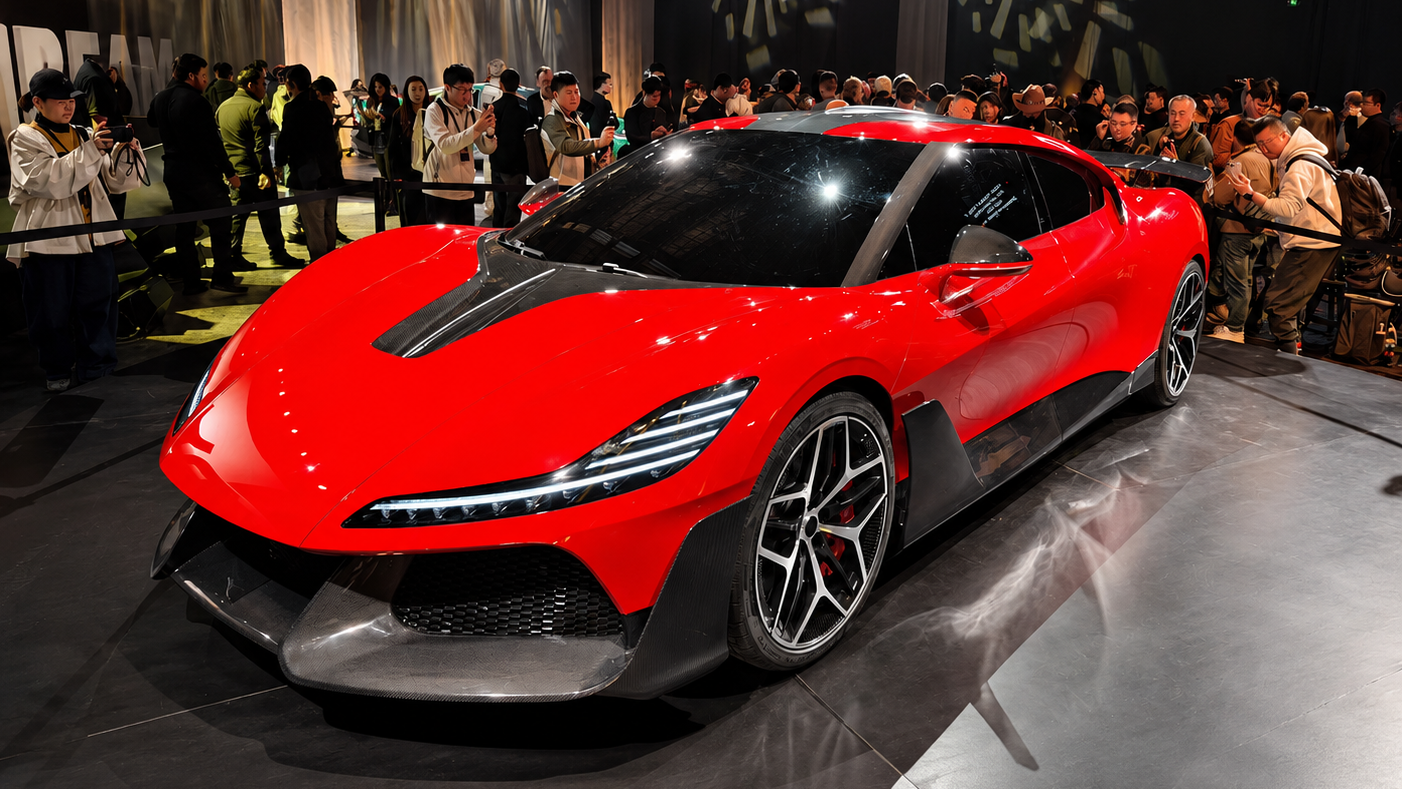
In January 2026, Dreame unveiled its first supercar at CES in the U.S. On April 27, it launched the NEBULA NEXT 01 Jet Edition, dubbed the “rocket car,” in San Francisco.

The high-profile launches drew market attention. Dreame’s EV push then began to contract rapidly.
China Economic Net reported that Dreame’s car-making team peaked at nearly 1,000 employees. Project Starry Sky once had 600 to 700 employees; two other automotive business units each had more than 100 employees.
Layoffs began in May. By August, only dozens of employees remained. Most were handling financial, legal and human resources work related to the shutdown, including supplier payments and company deregistration.
Dreame’s products and business model also came under scrutiny from employees. The NEBULA NEXT 01 supercar was unveiled at CES. China Economic Net, citing former employees, reported that the display model had no chassis installed. It was moved by remote control.

The “rocket car” was built on a purchased model vehicle, with a chassis, powertrain and propulsion units added for display and promotion. The show cars helped Dreame draw significant attention in a short period; they remained far from actual mass production.
China Economic Net, citing several former Dreame employees, reported that fundraising played an even bigger role than R&D during the project. One former employee said their main task at Dreame was fundraising. “Once money was raised, a new BU could be set up,” the employee said, adding that R&D could only begin after funding was secured.
The approach differed sharply from the traditional auto industry model, where companies typically invest in R&D first before pushing products toward commercialization.

The EV shutdown also forms part of Dreame’s broader strategic reset. Dreame had entered multiple sectors through a series of incubators. At its peak, the company operated more than 10 incubators, with Project Starry Sky designated as its No. 1 incubator.
Dreame’s latest statement says the company will focus on smart home, outdoor living, smart mobility and embodied intelligence. It will also increase investment in artificial intelligence, robotics and smart manufacturing.
China Economic Net reported that Dreame has since cut all of its incubators, retaining four core businesses: cleaning appliances, robotic lawn mowers, electric two-wheelers and Magic Atom Robotics. The company is still seeking to take its core businesses public.
From entering the auto industry, to high-profile vehicle showcases, to shutting down its EV business one year later, Dreame’s cross-industry push ultimately failed to reach mass production.
Discover more from ChinaEVHome
Subscribe to get the latest posts sent to your email.