- BYD’s FinDreams signs Ulaanbaatar deal to deploy EVs, charging hubs, BESS, and SkyShuttle transit.
- Ulaanbaatar’s fleet is 804,000 vehicles with just 0.2% EVs, signaling massive electrification potential.
- FinDreams leverages BYD’s global scale—17 million NEVs and energy-storage projects across 110+ countries.
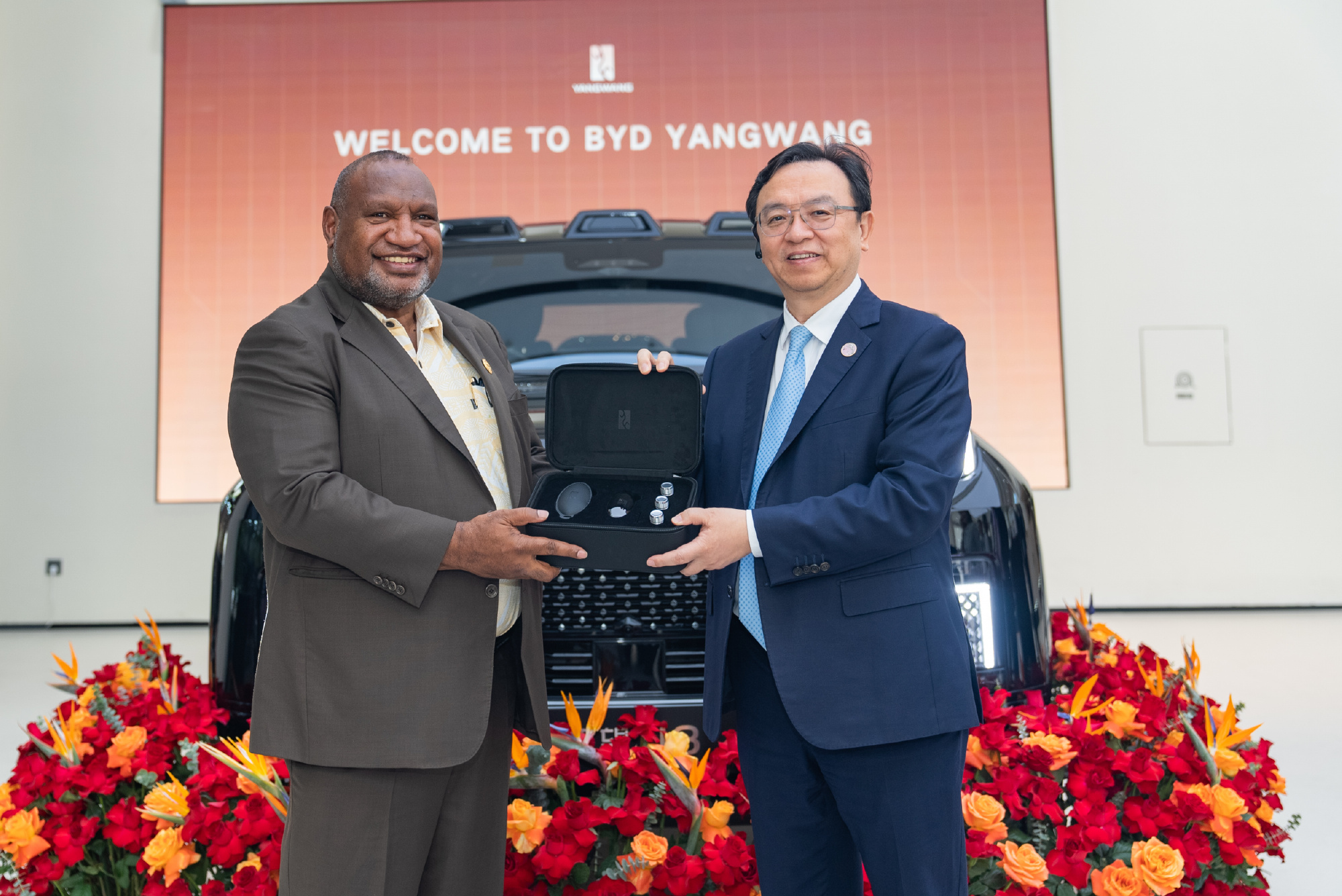
BYD’s battery unit FinDreams Battery has signed a strategic cooperation memorandum of understanding with Ulaanbaatar, the capital city of Mongolia.
The agreement was signed during the 17th Conference of the Parties of the United Nations Convention to Combat Desertification (UNCCD COP17).
Under the agreement, the two sides will leverage Ulaanbaatar’s urban development needs and FinDreams Battery’s capabilities in power batteries, energy storage systems and smart transportation technologies to advance new energy-related projects.

The cooperation will focus on four major areas.
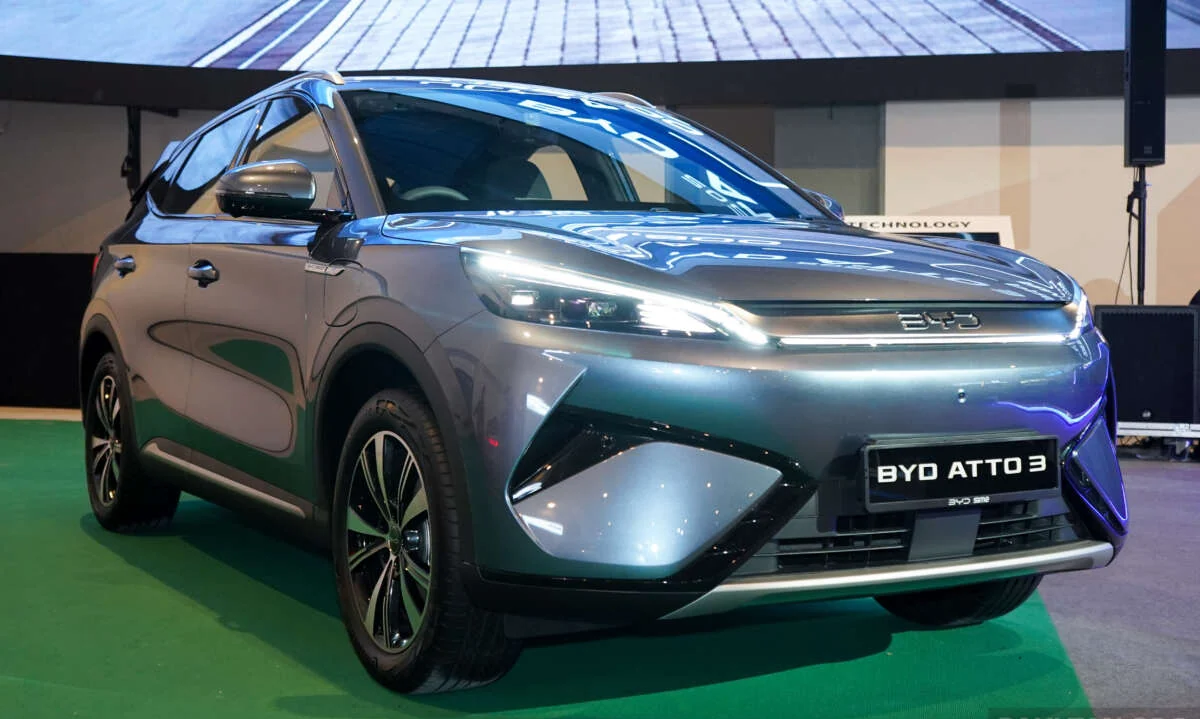
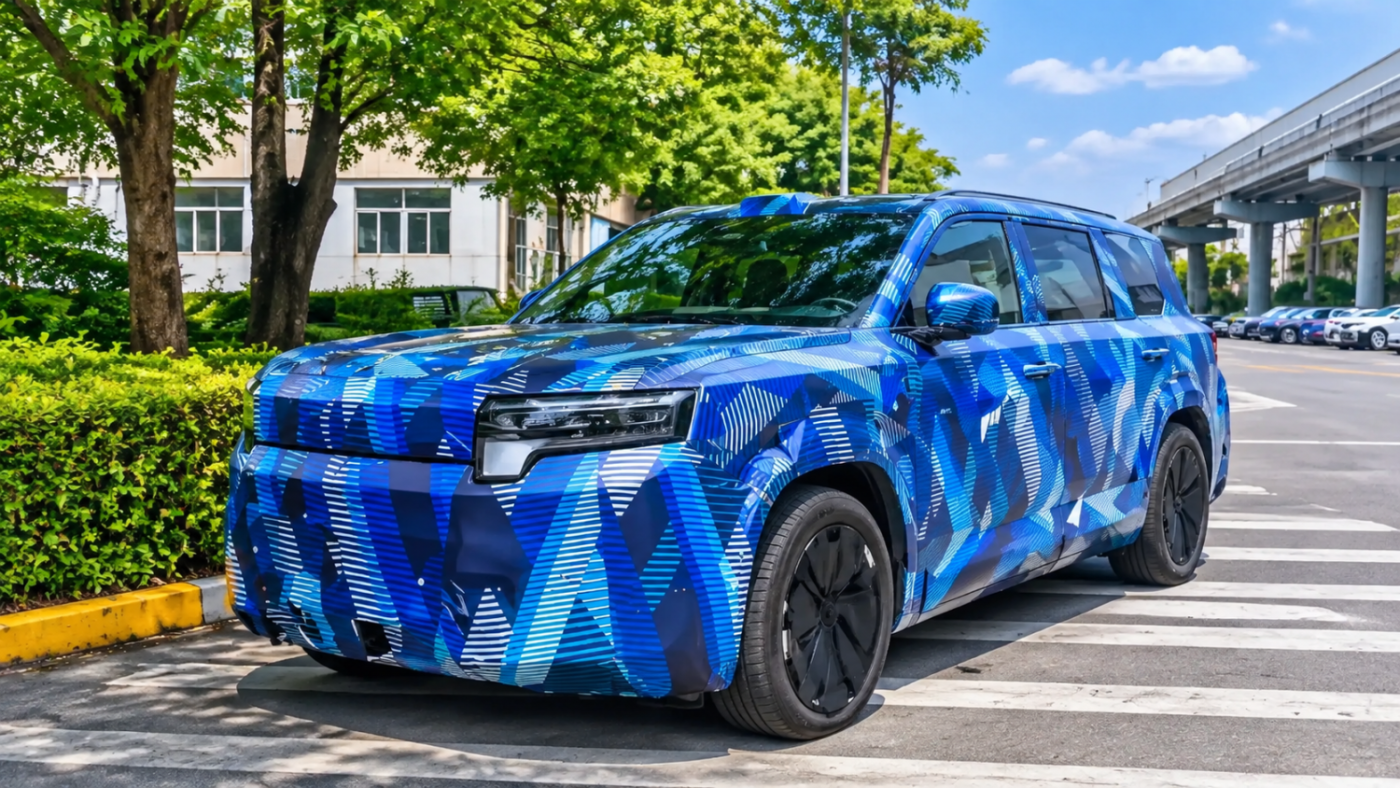
First, the two sides plan to increase the adoption of electric vehicles in urban transportation by expanding the share of new energy vehicles and improving the city’s mobility structure.
Second, they will develop a network of green urban charging hubs and fast-charging facilities to strengthen EV infrastructure.
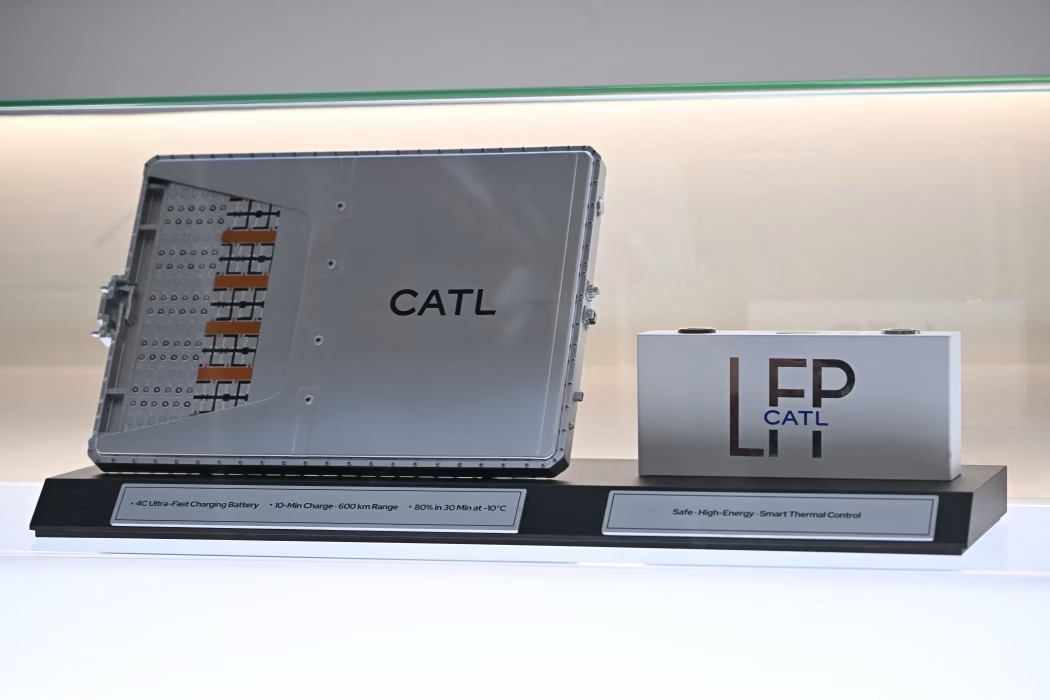
In the energy sector, BYD plans to promote battery energy storage system (BESS) projects to improve urban energy management capabilities and enhance power supply stability.
In addition, the two sides will explore the deployment of BYD’s “Sky Shuttle” smart public transportation system, using new energy technologies to upgrade urban transit networks.

BYD’s expansion into Ulaanbaatar comes as Mongolia seeks solutions for its energy transition and urban environmental challenges.
Data shows that Ulaanbaatar currently has around 804,000 registered vehicles, while EVs account for only about 0.2% of the total fleet.
For years, vehicle emissions, severe winter air pollution and traffic congestion have remained major challenges for the city.
In recent years, the Mongolian government has accelerated efforts to promote new energy adoption and set targets to expand EV usage.
Previously, the government projected domestic EV demand could reach 50,000 units by 2030.
For a market still dominated by ICEs, the development of charging networks, battery storage systems and electric public transportation infrastructure will be critical to wider EV adoption.

The partnership is also part of BYD’s broader overseas expansion in new energy businesses.
BYD has produced more than 17 million new energy vehicles globally, with operations covering vehicle manufacturing, batteries and electric drive systems.
As BYD’s battery business arm, FinDreams Battery has continued expanding its overseas energy storage operations in recent years.
Its energy storage business now covers more than 110 countries and regions worldwide, with involvement in large-scale storage projects across markets including Europe and the Middle East.