- Canada signaled it may partner with Chinese automakers if US trade talks fail, reflecting pressure to protect domestic plants, jobs and diversify investment sources away from US dependency.
- Quota data show 16,211 of 49,000 Chinese-made EVs used in first year; 32,789 units remain available, and Canada targets 75% EV sales by 2035 under its national automotive strategy.
- Target competitors include Geely, Chery and BYD eyeing 2027 entries, but execution risks include slow quota uptake, local content demands, provincial opposition and JV control conditions.
Canadian Prime Minister Mark Carney said in an interview with the media in Cambodia that Canada could turn to Chinese automakers for partnerships if trade negotiations with US President Donald Trump fail to preserve the integrated North American auto industry, according to the AP New.
Carney is due to meet Chinese President Xi Jinping in Shenzhen on November 17, with China’s automotive manufacturing sector expected to be among the topics of discussion.
Carney stressed that attracting Chinese investment was not intended as leverage in negotiations with Washington, but rather as a way for Canada to secure a future for its automotive workers and manufacturing industry.

US trade measures in recent years have weakened the cross-border cooperation that has long underpinned North America’s automotive industry, leaving Canada looking for additional markets and sources of investment to support domestic plants and jobs.
The remarks build on Canada’s shift in policy toward Chinese EVs earlier this year. In 2024, Canada imposed an additional 100% tariff on electric vehicles made in China.
In January this year, the Carney government reached an agreement with China allowing 49,000 Chinese-made EVs to enter Canada in the first year.

Vehicles within the quota are subject to the 6.1% most-favored-nation tariff rate, replacing the previous 100% surtax. The quota is set to increase in subsequent years.
However, the quota has not been filled quickly. Data released by the Canadian government on November 13 showed that 16,211 vehicles had used the quota during the first quota period, leaving 32,789 units available.
The Carney government is looking to attract more than just imports of fully built vehicles.
Its national automotive strategy, released in February, sets a target for EVs to account for 75% of vehicle sales by 2035 and proposes investment incentives to support the transformation of Canada’s automotive manufacturing sector.
Several Chinese automakers have already begun establishing a presence in the country.

Geely Auto announced its entry into Canada on October 9, setting up a local company and beginning work on a retail and aftersales network. It plans to introduce its first models in 2027.
Chery, meanwhile, plans to begin sales in early 2027, with the Jaecoo ET expected to be among its initial offerings.
The company is also assessing the possibility of using idle capacity at local plants or manufacturing vehicles with local partners.
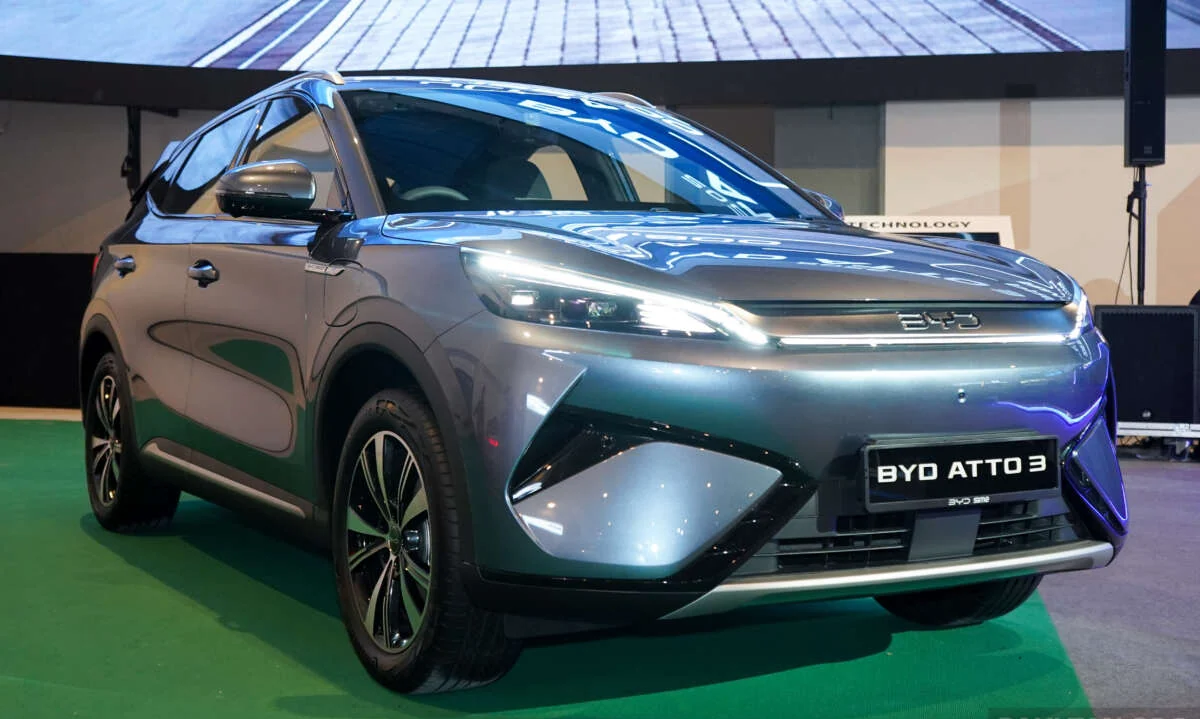
BYD has also started recruiting in the Greater Toronto Area this year and is preparing its Atto 3, Seal, Dolphin and Seagull models for market entry.
However, Chinese automakers face potential obstacles to setting up manufacturing operations in Canada. Ontario Premier Doug Ford previously wrote to Carney, explicitly opposing the assembly of Chinese vehicle kits at local plants.
Canadian Industry Minister Mélanie Joly has also said that such investments would need to use Canadian-made components, employ Canadian workers and establish local supply chains. She added that Canadian partners should retain control of any joint ventures.
Discover more from ChinaEVHome
Subscribe to get the latest posts sent to your email.