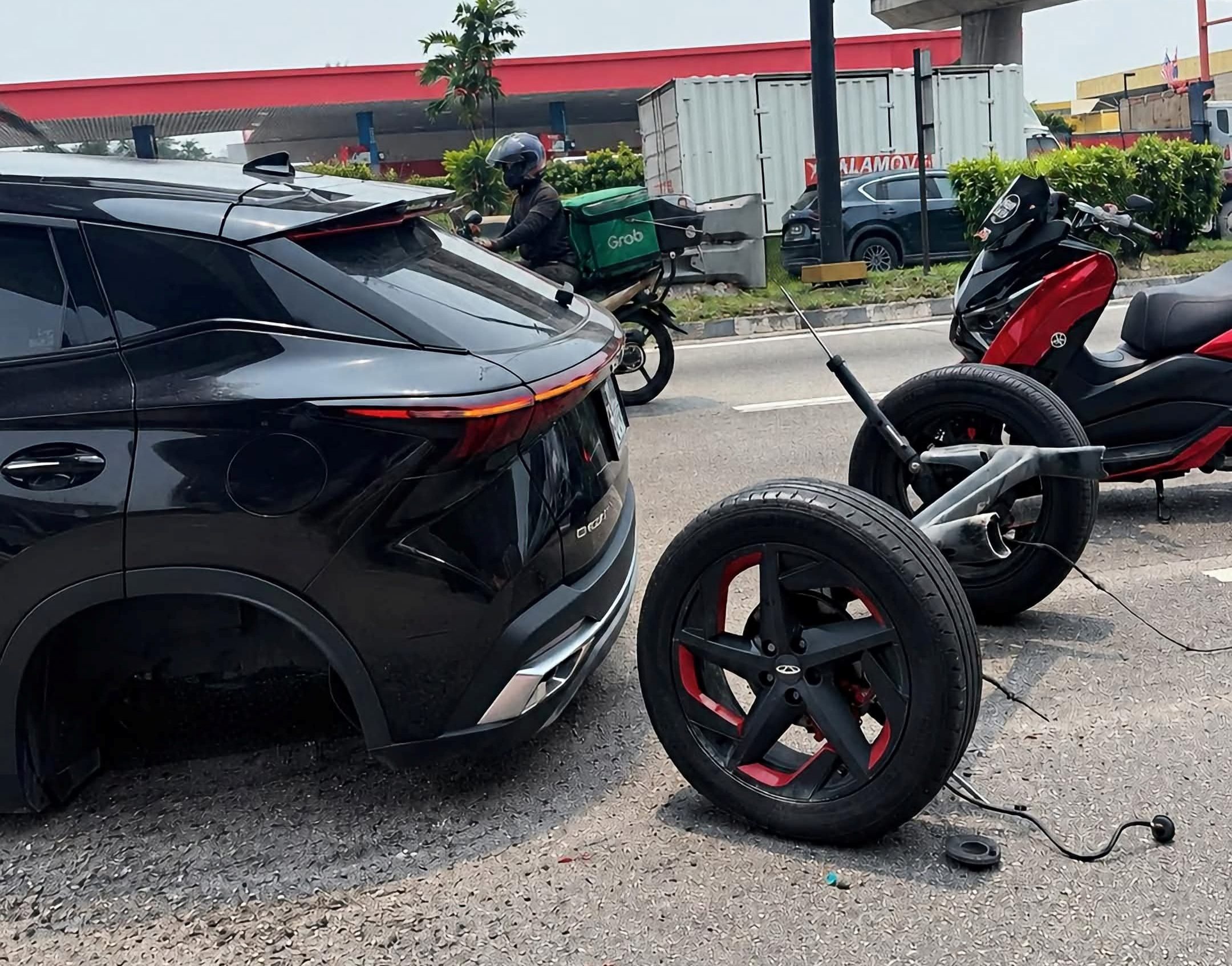
- Chery initiated precautionary recalls after identifying weak welds on rear axle assemblies across multiple markets, reflecting pressure to police supplier-quality amid rapid global expansion.
- Affected batches span production dates Jan 11–Dec 31, 2023; Malaysia recall covers 8,878 Omoda 5s, South Africa recall 23,667 Chery vehicles (2,685 Omoda C5s), and China filing targets 53,882 units.
- The defect directly threatens compact SUV buyers and raises execution risks around inspection timing, cross-border parts traceability, supplier process control, and potential repair capacity bottlenecks.
Chery has launched a safety recall in Australia over a potential defect that could cause the rear axle assembly to detach from the vehicle, Australian media reported.
The recall covers certain Omoda 5 vehicles sold in Australia, where the model is now marketed as the Chery C5. The affected rear axle components were manufactured between January 11 and December 31, 2023.

Chery Australia said the automaker identified a potential weld-strength issue in rear axle assemblies produced by a specific supplier during certain production batches in overseas markets.
Under certain driving conditions, the welds could crack or tear, compromising the structural integrity of the rear axle and increasing the risk of an accident. Chery described the action as a precautionary recall, noting that not every vehicle included in the recall has developed the defect.
No related incidents have been reported in Australia so far, the company said. Chery will contact affected owners directly and arrange inspections at authorized dealerships. If a vehicle is found to have a rear axle assembly from the supplier in question and a serial number within the affected production batches, Chery will replace the entire assembly free of charge. Vehicles outside the affected batches will not require replacement.

Chery Australia has yet to disclose the number of vehicles covered by the recall. The notice also had not appeared on the Australian government’s vehicle recall database at the time of reporting.
The rear axle welding issue has surfaced in several other overseas markets.
On October 6, an Omoda 5 in Malaysia’s Johor state suffered a rear axle assembly separation while driving. Chery’s investigation found that some vehicles may have insufficient weld strength around the rear trailing arm, potentially causing the component to fracture under extreme conditions.

The recall in Malaysia covers 8,878 Omoda 5 vehicles. The defect is linked to the welding process used on rear axle components. Chery will inspect affected vehicles and repair or replace the relevant parts free of charge, depending on the findings.
South Africa has reported a similar issue. On November 10, the country’s National Consumer Commission (NCC) announced a recall covering 23,667 Chery vehicles, including 2,685 Omoda C5 units.
The affected vehicles were sold locally between February 2023 and July 2026. The defect also involves welding on the rear axle casing and could cause the axle to detach, potentially leading to rear suspension collapse.

In China, Chery filed another recall plan with the State Administration for Market Regulation (SAMR) last week.
Starting November 27, 2026, the automaker will recall 53,882 Tiggo 5x and Omoda-series vehicles manufactured between June 6, 2022, and December 31, 2023.
The Chinese recall also concerns a manufacturing defect in the rear axle. Poor welding between the trailing arm and axle casing could cause the welds to fail and separate under extreme conditions, potentially resulting in a loss of wheel control and increasing the risk of an accident.
Discover more from ChinaEVHome
Subscribe to get the latest posts sent to your email.