- Chery is recalling 8,878 OMODA 5s in Malaysia after inspections found insufficient welding strength in rear axle trailing arms, linking the action to recent axle-separation incidents and halted production.
- Affected volume is 8,878 units; prior April recall covered 600 vehicles and 60 identified units from Aug. 14–17, 2023 production runs needing further action.
- The move targets compact SUV buyers competing with regional mainstream brands, but execution risks include supplier welding quality, inspection capacity, regulatory scrutiny, and potential reputational damage.
Chery has launched a recall campaign for 8,878 OMODA 5 vehicles in Malaysia after an investigation found that some units may have insufficient welding strength in the rear axle trailing arm, creating a potential fracture risk under extreme conditions.
The automaker issued an official statement on Oct. 11 regarding a recent OMODA 5 accident in Malaysia, saying affected vehicles will undergo inspections and receive free component replacements if necessary.

Chery said the incident did not result in any injuries. The company immediately launched an investigation into the cause and has been working closely with local regulators, including Malaysia’s Road Transport Department (JPJ).
According to Chery Malaysia, the investigation found that the welding strength of the rear axle trailing arm on certain vehicles may not meet requirements, potentially causing the component to break in extreme scenarios.
The recall covers 8,878 OMODA 5 units. Chery will inspect the affected vehicles and repair or replace related components based on the inspection results.
The company said the recall does not involve the latest OMODA 5 models currently on sale. Production of the previous version with the design issue has been halted, while Chery will conduct additional risk assessments across Malaysia and other affected markets.

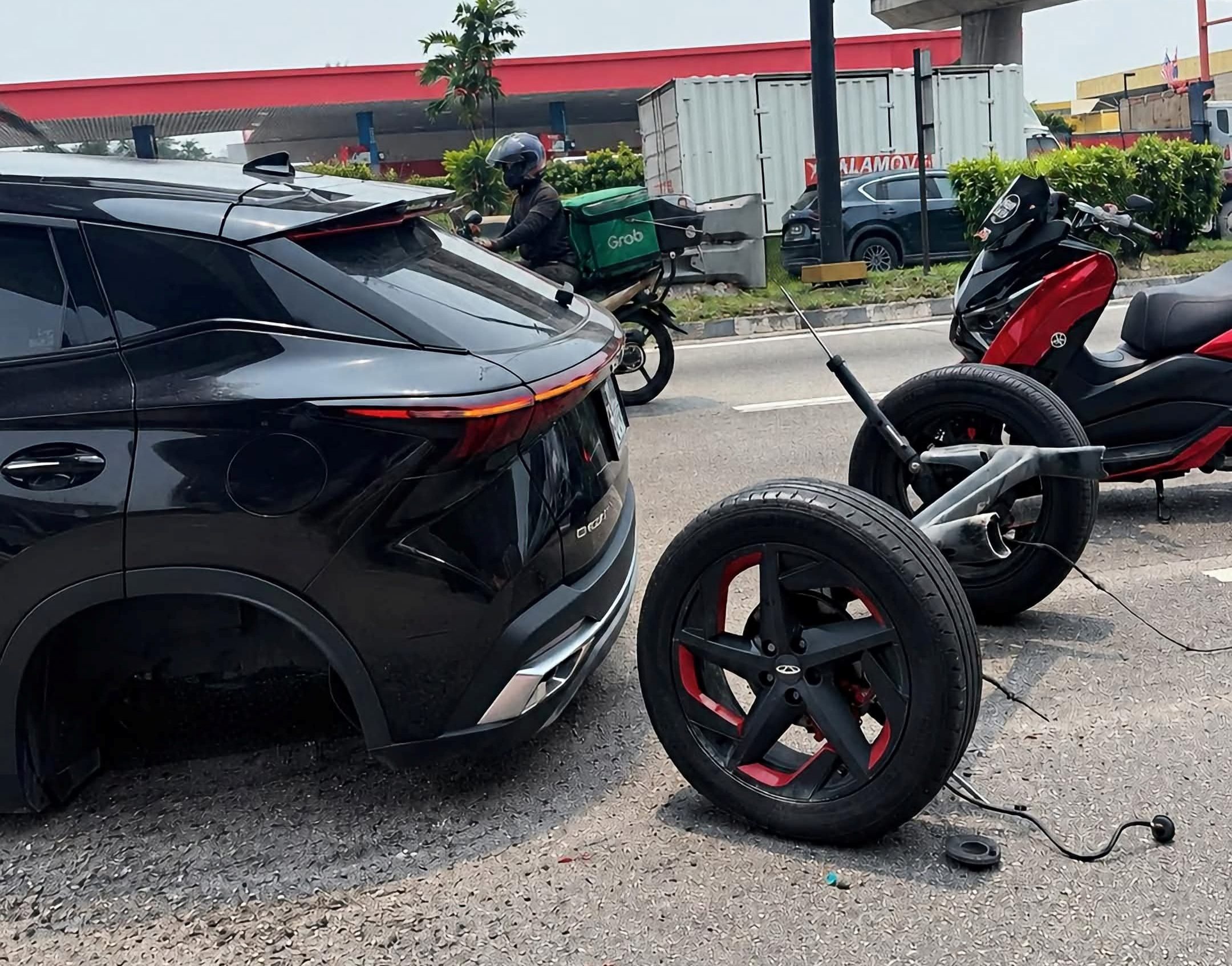
The recall follows an OMODA 5 accident in Malaysia’s Johor state on Oct. 6. The vehicle’s rear axle assembly reportedly separated from the body while driving. Photos from the scene showed the rear axle, rear wheels and suspension components detached from the vehicle and left behind it.
This is not the first time the OMODA 5 has faced a similar issue in Malaysia.
In April 2024, a Malaysian OMODA 5 experienced a rear axle fracture, prompting Chery Malaysia to launch a safety inspection campaign and recall 600 potentially affected vehicles.
A subsequent investigation linked the issue to the rear axle supplier’s manufacturing process. Calibration problems after an automated welding machine’s welding head was replaced resulted in insufficient welding strength on some rear axle components.
Chery later inspected vehicles produced between Aug. 14 and Aug. 17, 2023, that were equipped with the affected rear axle components. Sixty units were identified as requiring further action.

The latest rear axle separation incident has once again drawn attention to the quality performance of the OMODA 5 in Malaysia.
Despite the issue, Chery’s brands continue to gain traction in the Malaysian market.
According to Malaysia’s vehicle registration data, OMODA and Jaecoo sold 1,407 vehicles in September, bringing their year-to-date sales to 12,032 units. The Chery brand recorded 761 units in September and 7,958 units from January to September, while Jetour sold 1,830 units in September and 9,333 units year to date.
For Chery, which is rapidly expanding overseas, maintaining product quality and after-sales support will be just as critical as growing sales in global markets.