- Jetour’s deal to use Jaguar Land Rover’s Itatiaia plant signals a rapid localization push to gain cost and delivery advantages without heavy upfront factory investment in Brazil.
- Jetour sold 1,137 vehicles in October and 7,640 year-to-date; model lineup includes T1 1.5TD hybrid, T2 1.5TD hybrid with 3DHT, and S06 1.5T with DHT hybrid.
- Targeting mainstream SUV buyers against Omoda, Jaecoo and CAOA Chery, execution risks include undisclosed deal terms, plant capacity sharing, regulatory approvals and margin pressure from local competition.
Chinese automaker Chery’s Jetour brand has reached an agreement with the government of Brazil’s Rio de Janeiro state to produce vehicles locally, Reuters reported.
Two state government sources said Jetour plans to use Jaguar Land Rover’s factory in Itatiaia for production. Neither side has disclosed specific terms of the agreement.

The Rio de Janeiro state government said it remains in talks with companies interested in using the Itatiaia facility. Jaguar Land Rover said it is moving forward with the next phase of work at the plant, while Jetour declined to comment.
The agreement marks another step in Jetour’s localization efforts in Brazil, a market the brand officially entered only this year.
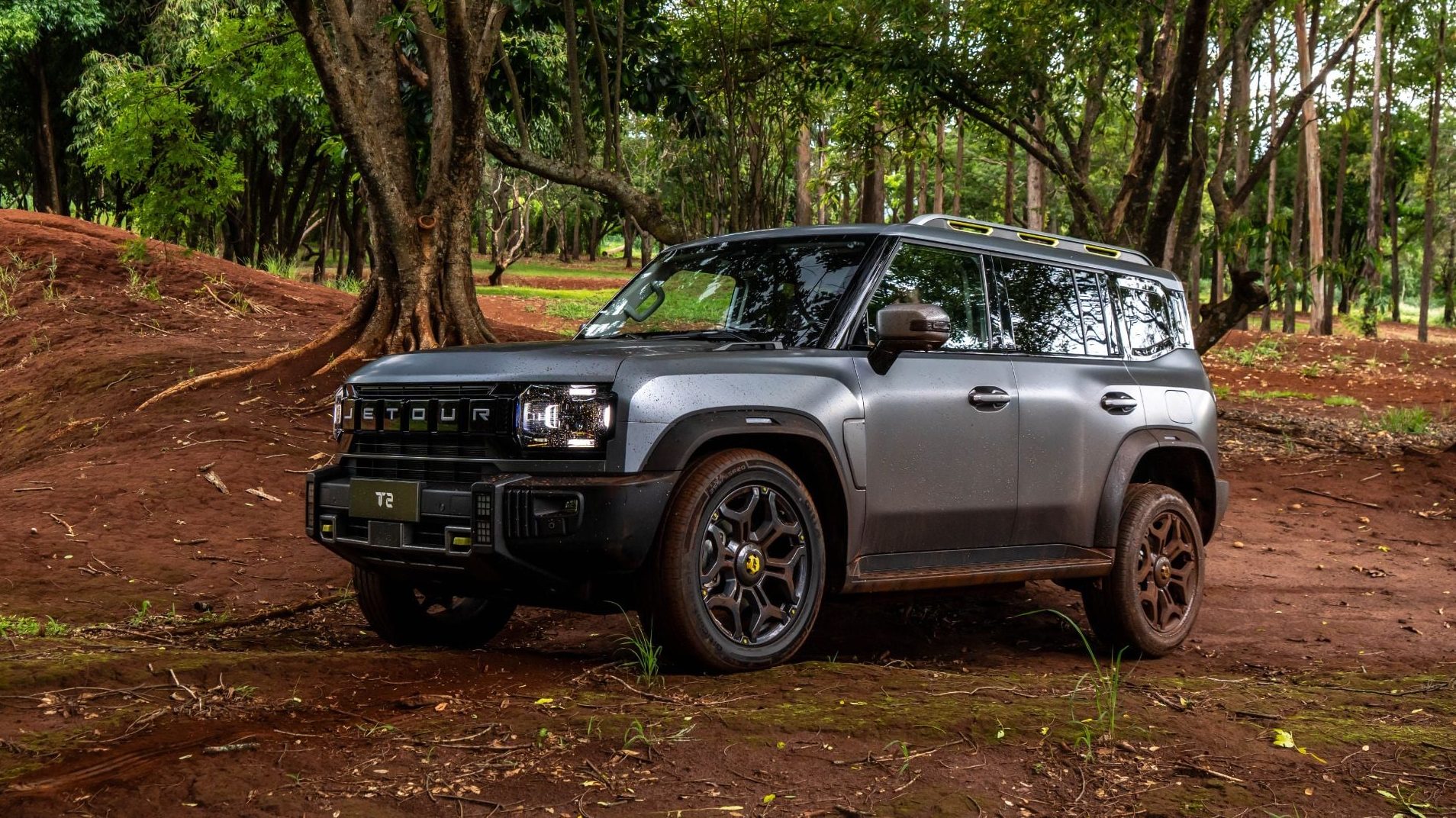
Jetour held its official brand launch in Brazil in March, introducing three hybrid SUVs: the T1, T2 and S06. The lineup targets a range of uses, from urban commuting and light off-road driving to outdoor activities.
The T1 features a 1.5TD hybrid powertrain, while the T2 pairs a 1.5TD hybrid system with a 3DHT transmission. The S06 uses a 1.5T engine with a DHT hybrid system.

When it entered Brazil, Jetour said it intended to establish a long-term presence in the market and gradually expand local operations. In August, company executives said Jetour was evaluating several options, including sharing underutilized production capacity at factories owned by automakers already operating in Brazil.
Using existing capacity at Jaguar Land Rover’s plant would allow Jetour to avoid the substantial capital expenditure required to build a factory from scratch. It could also significantly shorten the time needed to bring local production online.
For a brand that only launched in Brazil in March, tapping into an existing automotive facility could provide a faster, lower-cost route to local manufacturing.

Jetour has already gained an initial foothold in the Brazilian market. The brand sold 1,137 vehicles in October, bringing its total sales for the first 10 months of the year to 7,640.
However, it still trails other Chery Group brands in the country. Omoda & Jaecoo sold 5,856 vehicles in Brazil in October, while CAOA Chery delivered 5,754.
If the production agreement moves forward as planned, local manufacturing could help Jetour lower costs and shorten delivery times, giving the brand another way to gain ground in Brazil’s highly competitive automotive market.
Discover more from ChinaEVHome
Subscribe to get the latest posts sent to your email.