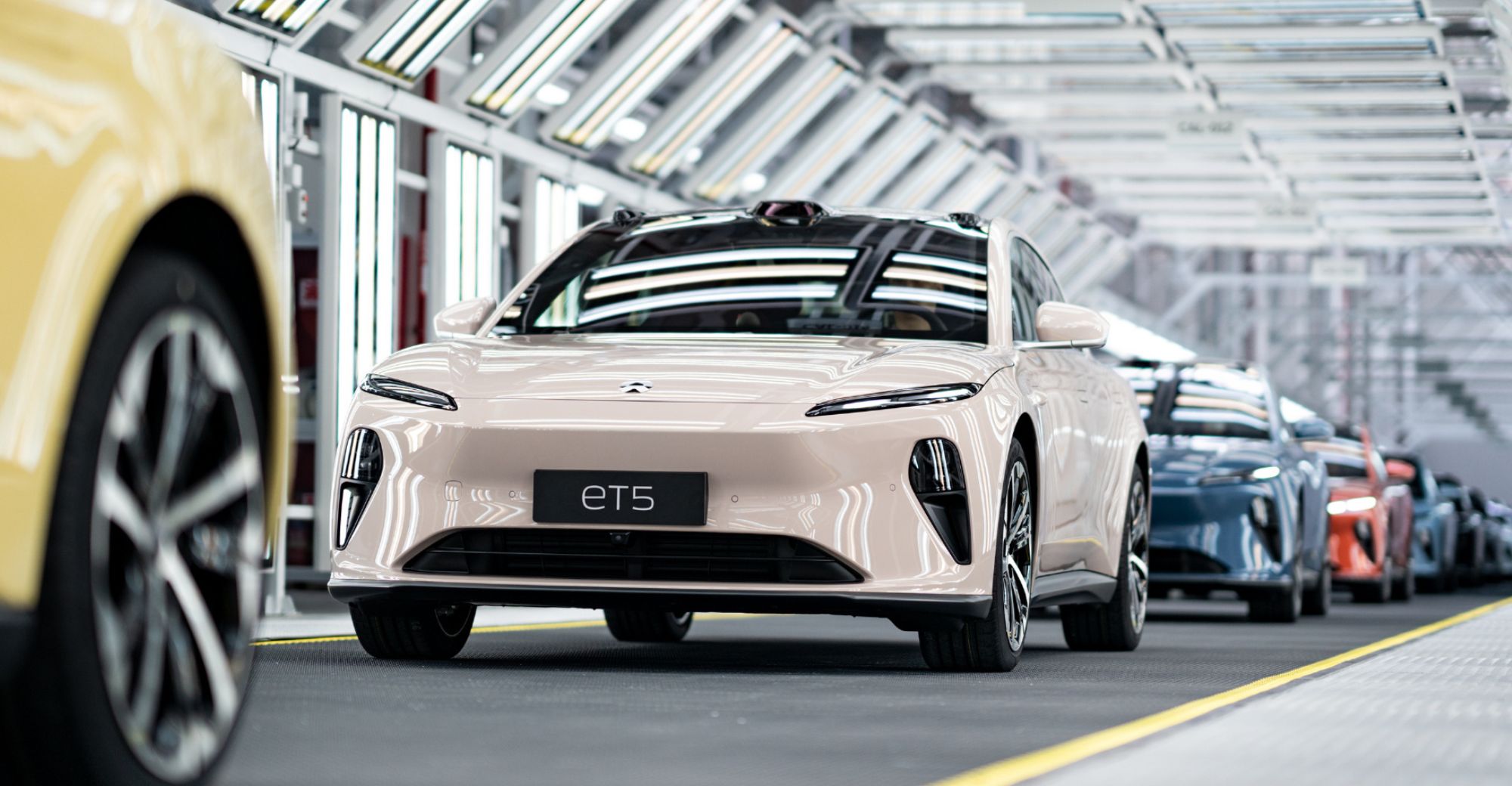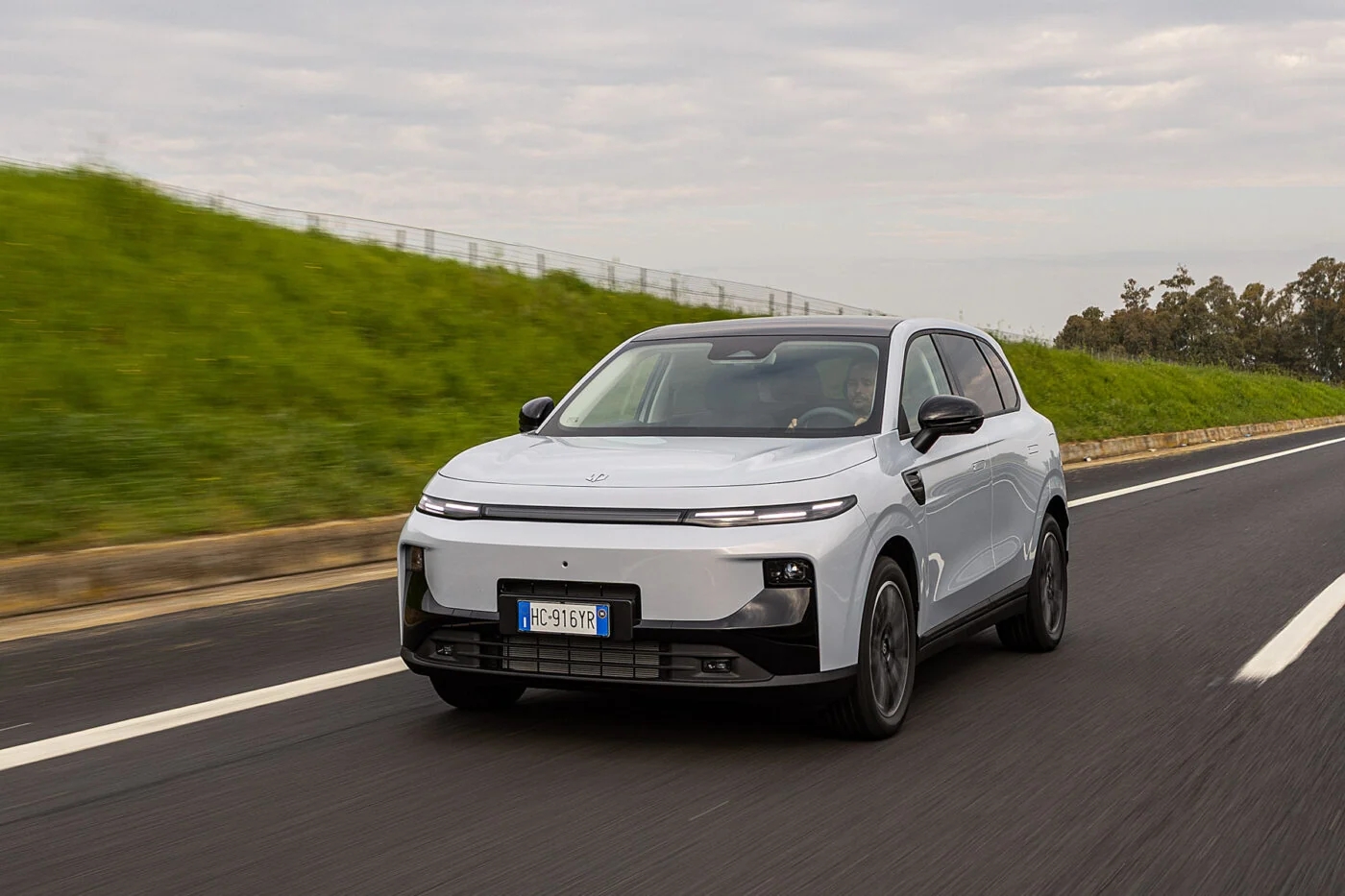
- China and the EU agreed in Beijing to curb exports of hybrid and plug-in hybrid vehicles, reflecting pressure to protect EU automakers and cool rapid Chinese market share gains in Europe.
- EU said exports of HEVs and PHEVs from China would be halved, while CPCA data show Chinese NEV exports hit 518,000 in August, up 154.7% year-on-year.
- The move targets rising Chinese PHEV competition in Europe but faces execution risks from WTO legal limits, timing of tariff-rate quotas, and potential supply‑chain export controls.
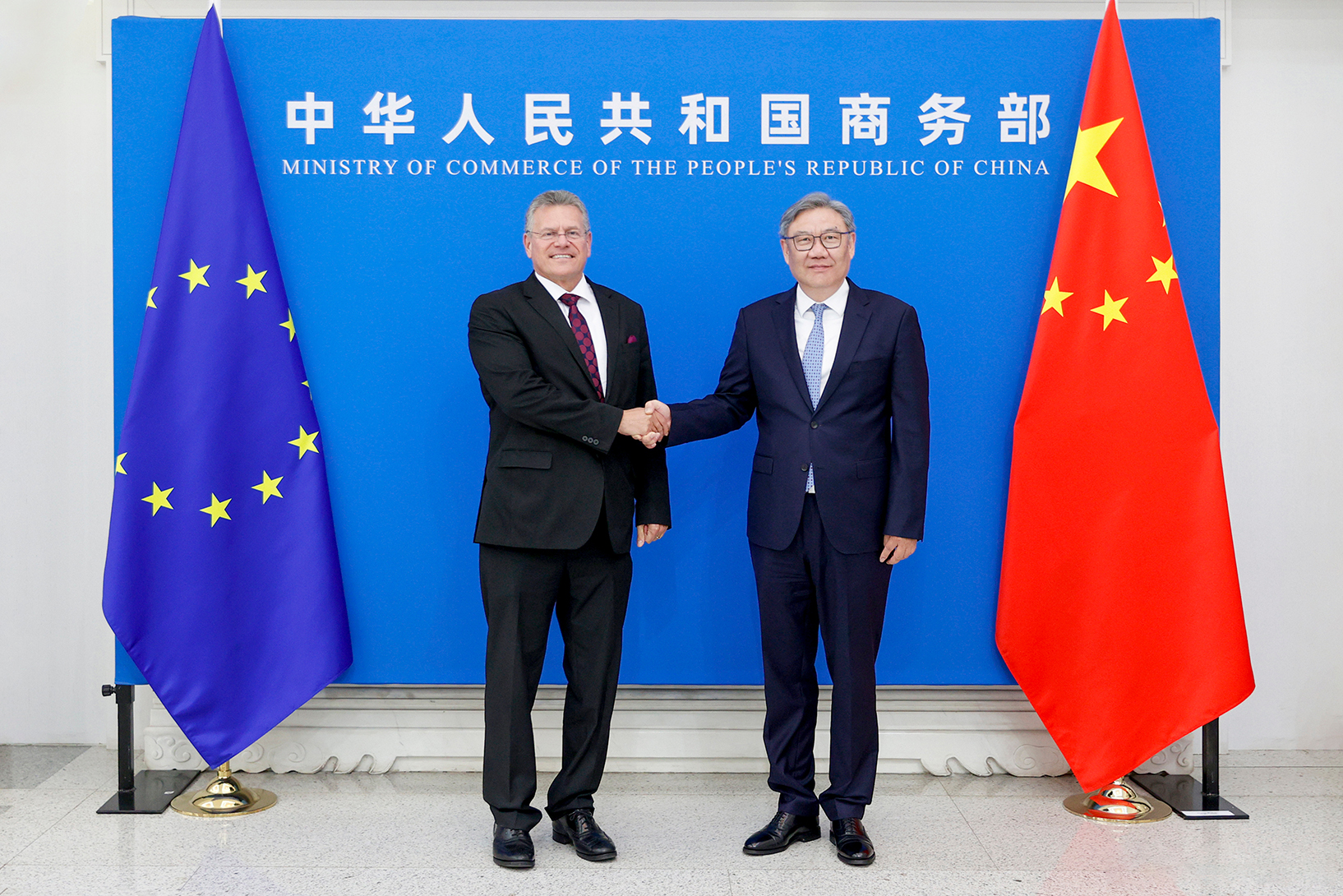
On October 9, China’s Ministry of Commerce said in a joint statement that China and the European Union had reached an understanding on hybrid vehicle trade in a manner consistent with World Trade Organization (WTO) rules.
The statement added that both sides would continue to advance procedures related to price undertakings by companies and the review process in the EU’s anti-subsidy case involving Chinese electric vehicles.
The consultations were held in Beijing on October 8–9, with China’s Commerce Minister Wang Wentao and European Commissioner for Trade and Economic Security Maroš Šefčovič participating.
Discussions over Chinese vehicle exports to Europe have now expanded beyond the earlier anti-subsidy dispute over battery-electric vehicles to include hybrid models.

Šefčovič said on X that the understanding included halving the volume of hybrid electric vehicles (HEVs) and plug-in hybrid electric vehicles (PHEVs) exported from China to the EU.
Before the talks, the EU had already been considering restrictions on Chinese hybrid vehicle imports.
The Financial Times reported on September 17 that Brussels had asked China to voluntarily limit hybrid vehicle exports to the bloc.
China’s Ministry of Commerce responded the following day that voluntary export restrictions would violate WTO rules.
It stressed that any solution must take into account the interests of both sides and comply with WTO rules and their respective domestic laws.
The EU had also prepared alternative measures ahead of the consultations.

Bloomberg reported on October 7 that the European Commission was preparing safeguard measures targeting Chinese hybrid vehicles, potentially using tariff-rate quotas to limit imports.
The negotiations come as Chinese plug-in hybrids gain ground rapidly in Europe.
Reuters reported that EU imports of plug-in hybrid vehicles rose 86% in the 12 months through September 2026, with more than half originating in China.
In 2025, Chinese models accounted for approximately 30% of the EU’s PHEV imports.
China’s export data also point to the growing role of new energy vehicles in overseas shipments.
According to CPCA, Chinese manufacturers exported 518,000 new energy passenger vehicles in August, up 154.7% year on year and accounting for 58.4% of total vehicle exports.

Plug-in hybrids represented 32.9% of NEV exports, compared with 31.7% in the same month last year.
Separately, regarding export controls affecting automotive supply chains, China said it was willing to continue using a “green channel” mechanism to accelerate export license approvals for rare earths and permanent-magnet materials destined for the EU.
The two sides also agreed to hold the third regular meeting under their dialogue mechanism in March 2027.
Until then, they will maintain close communication, including through a ministerial-level video conference scheduled for January.
Discover more from ChinaEVHome
Subscribe to get the latest posts sent to your email.