- AIVA is negotiating with CATL to join its Chocolate battery-swap network for the 2026 ME7 launch.
- Saidou (formerly Landian) gained nearly $1B in fresh capital and a shareholder mix that includes Seres and CATL.
- CATL’s 2K Chocolate swap stations and expanding No.26 batteries could cut AIVA’s upfront costs and speed market rollout.
Chinese media have reported that AIVA, the electric vehicle brand under Seres’ Saidou Technology, is exploring a battery-swap partnership with CATL. Its first production model, the AIVA ME7, may join CATL’s Chocolate battery-swap network.
AIVA officially launched in June, promoting the product philosophy “AI Defines Cars; AI Comes Before Cars.” The ME7 is planned to debut in 2026, with pre-orders expected to open in early 2027. The model will target both Chinese and overseas markets.

A person familiar with the matter said AIVA and CATL are discussing a battery-swap model, with specific plans still under development. Neither side has disclosed a final cooperation plan. The battery-swap configuration for the ME7 also remains unclear.
Saidou Technology was formerly known as Landian Technology. It serves as Seres’ automotive business platform. This year, Landian Technology completed a capital increase of about RMB 6.671B ($993M), followed by a name change and equity restructuring.
Chongqing state-owned capital-backed Shaci Zhiyuan currently holds about 34.5% of the company. Seres holds about 32.96%, while CATL holds about 9.89% through its investment platform.

The shareholder structure gives AIVA a certain industrial base for exploring battery swapping.
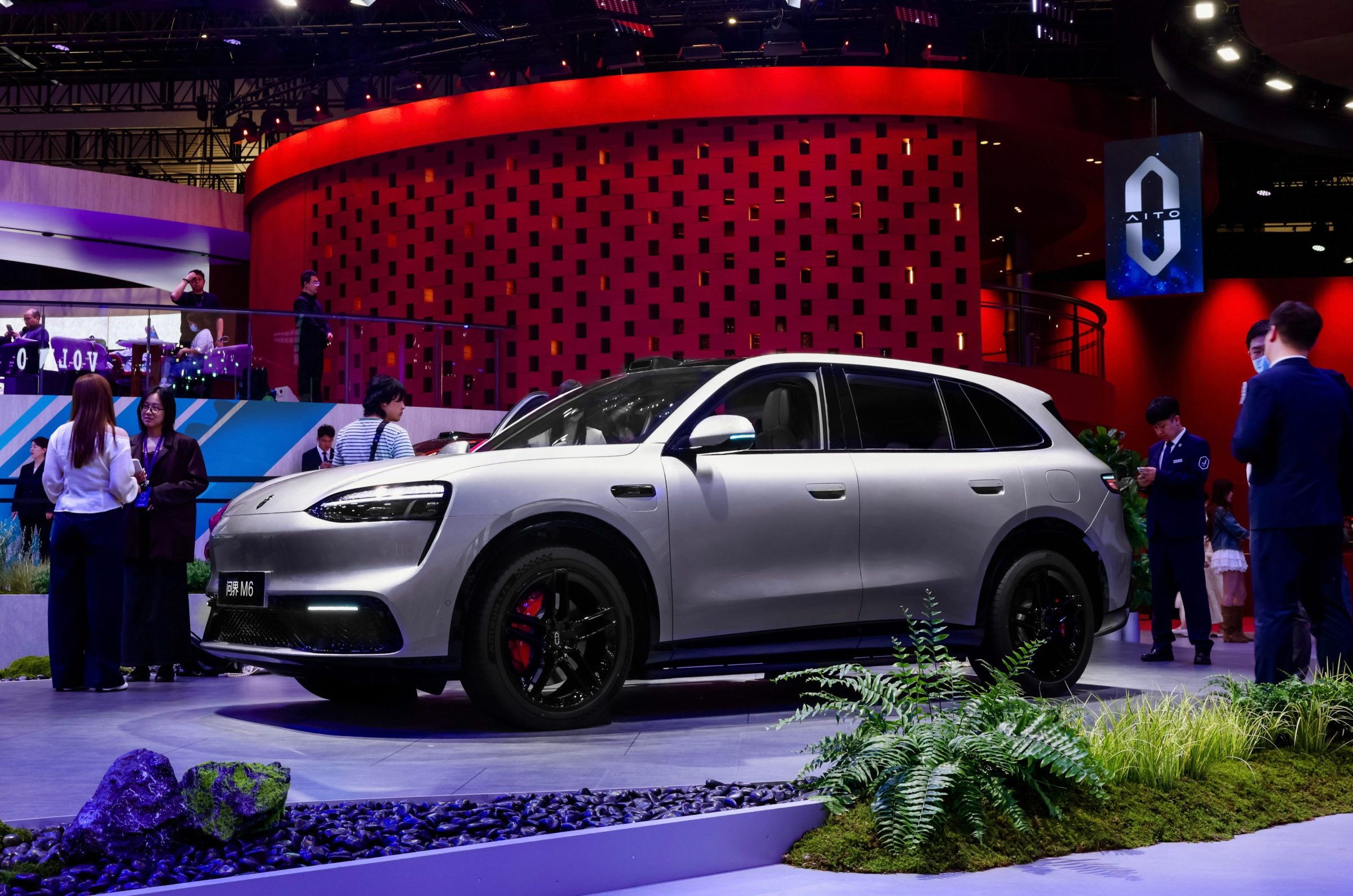
Seres is expected to provide vehicle manufacturing, supply chain, quality systems and engineering support. The ME7 is expected to be built at Seres’ Phoenix plant. CATL will provide battery technology, safety support, and charging and battery-swap infrastructure.
For a new EV brand, access to an established public battery-swap network can cut the capital needed to build its own energy replenishment system. It can also speed up early network coverage.
More importantly, battery swapping can separate battery costs from the vehicle purchase price.

For AIVA, which targets the mainstream market above RMB 200K ($29.7K), this could lower consumers’ upfront purchase costs while preserving the brand’s existing positioning. It also gives AIVA more room in pricing.
Beyond industrial resources from shareholders such as Seres and CATL, AIVA has also partnered with Volcano Engine and DeepRoute.ai. Volcano Engine provides capabilities including the Doubao large language model and intelligent cockpit technologies. DeepRoute.ai is responsible for advanced driver assistance solutions.
CATL is currently accelerating the expansion of its Chocolate battery-swap network.
As of June 30, 2026, CATL had built 2K Chocolate battery-swap stations across 31 Chinese provinces, covering 180 cities. The company plans to raise the nationwide total to more than 3K stations by the end of this year.

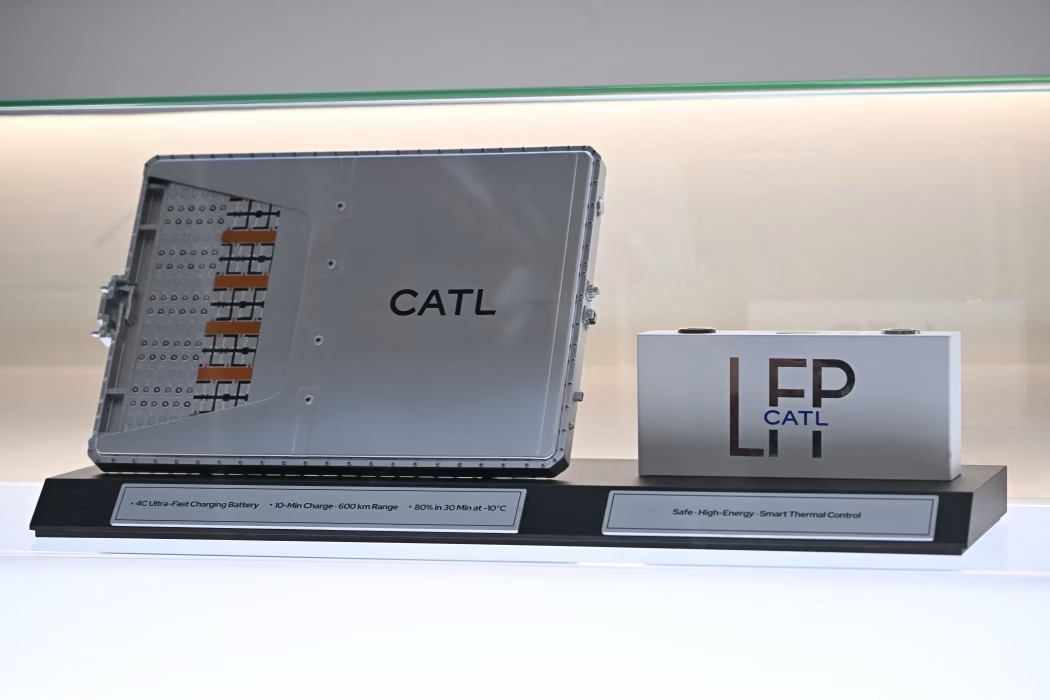
CATL previously launched two standardized swap batteries, No. 20 and No. 25. It later introduced the No. 26 battery for larger vehicles. The No. 26 battery uses an 800V high-voltage architecture. Its first version has a 75 kWh capacity. It expands compatibility from the previous A0-B segment to B-C segment vehicles.
CATL is also pushing its battery-swap system toward multi-brand access. This year, the company announced plans to build a “Super Swap Shared Network” with automakers including Changan, Chery, GAC, Seres, SAIC-GM-Wuling and BAIC.
Discover more from ChinaEVHome
Subscribe to get the latest posts sent to your email.