- Beijing Hyundai struck a localization deal with CATL to equip the China-built IONIQ M SUV with CATL’s Choco-SEB battery-swap system, reflecting pressure to localize and differentiate in China’s crowded EV market.
- The IONIQ M, a small all-electric SUV on Hyundai’s E-GMP platform, is due in China first half 2027; IONIQ V earlier sold 842 units in October with promotional prices RMB 99,900–131,900 (about $14,985–$19,785).
- Targeting budget EV buyers and rivals with swap-capable offerings from Hongqi, Changan and others, execution risks include scaling swap-station coverage, adoption of battery-as-service, and converting weak initial IONIQ V sales into volume.
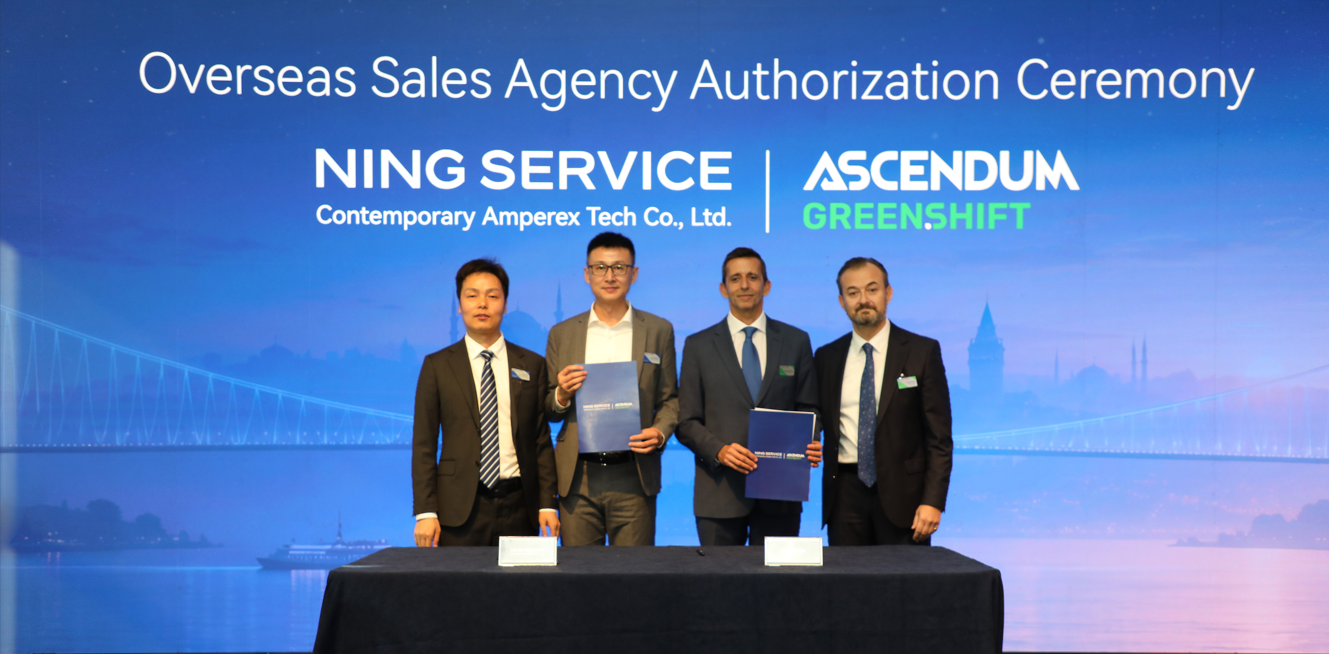
Beijing Hyundai, Hyundai’s China JV, sealed a strategic localization agreement with CATL on November 27 at Auto Guangzhou 2026.
The two companies plan to cooperate on battery-swapping infrastructure, joint technology development and coordinated global expansion.
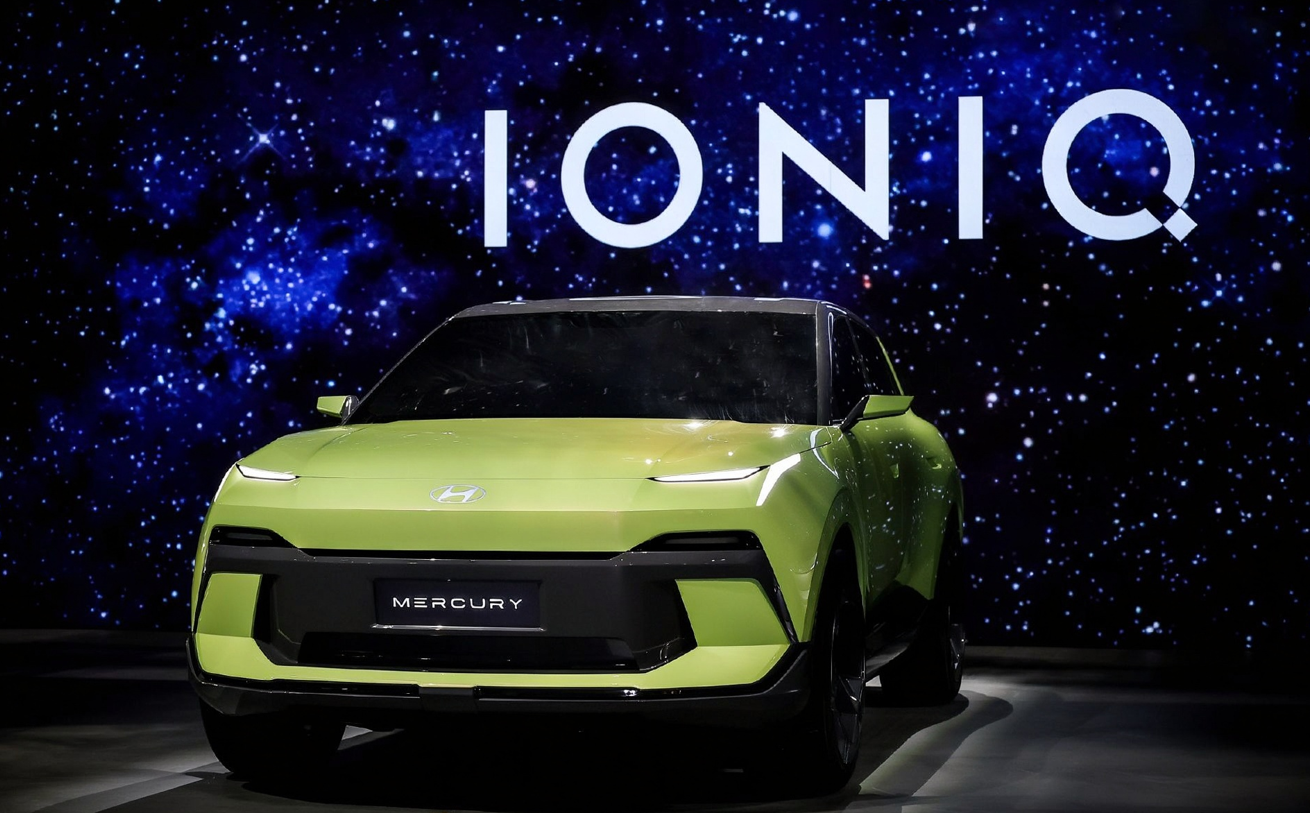
Under the agreement, Beijing Hyundai’s all-new IONIQ M electric SUV will be compatible with CATL’s Choco-SEB network, making it the first model from a joint-venture automaker to adopt the solution.

The IONIQ M is derived from the MERCURY Concept, which made its global debut at the auto show. The production version will be positioned as a small all-electric SUV.
Built on Hyundai’s E-GMP platform, the model’s design and product definition are being led by Hyundai’s China-based design team. It is scheduled to go on sale in China in the first half of 2027.
The localization strategy extends beyond design. The IONIQ M will feature driver assistance technology supplied by Momenta and a smart cockpit integrated with ByteDance’s Doubao AI model.
For Beijing Hyundai, battery swapping will add another point of differentiation to its electric vehicle lineup.
The IONIQ V, the first locally produced model under the IONIQ brand, went on sale in late September this year.

Its limited-time promotional prices ranged from RMB 99,900 to RMB 131,900 ($14,985–$19,785).
The model features a CATL battery, Qualcomm’s 8295P cockpit chip and a driver assistance system supplied by Momenta.
However, in October, its first full month on sale, the IONIQ V sold just 842 units, indicating that it has yet to gain significant traction in China’s highly competitive RMB 100,000 ($15,000) electric sedan segment.
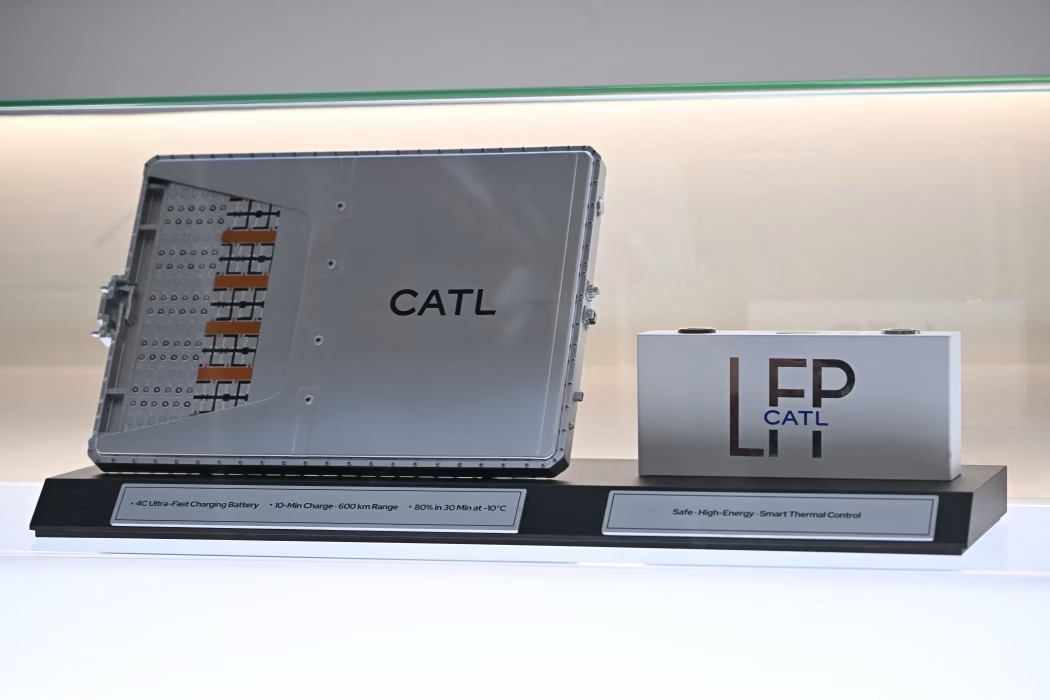
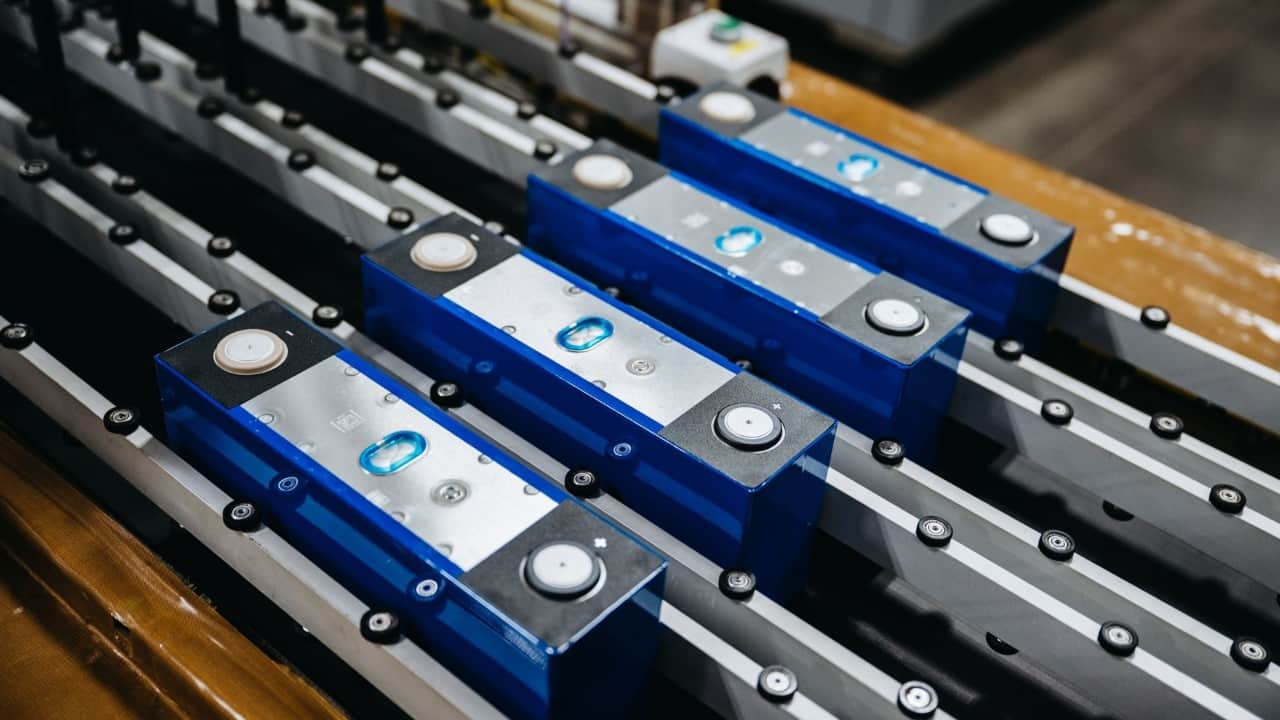
CATL’s Choco-SEB system supports battery-vehicle separation, allowing consumers to purchase the vehicle without the battery and rent the battery separately. This reduces the upfront cost of buying a car.
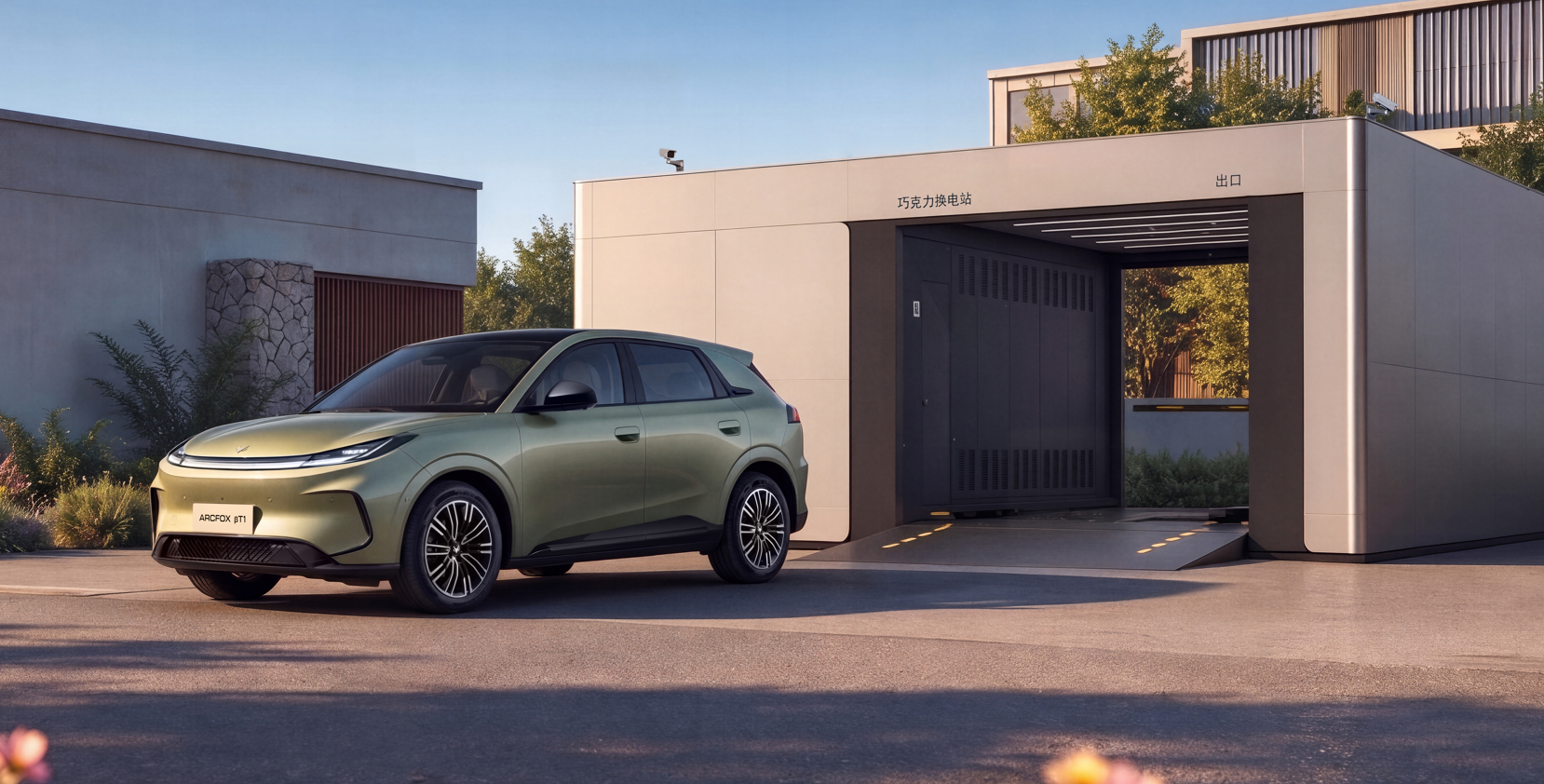
For CATL, Beijing Hyundai is the first joint-venture automaker to join its Chocolate battery-swapping ecosystem.
The company has previously established passenger vehicle battery-swapping partnerships with brands including FAW’s Hongqi, Changan, BAIC’s Arcfox, Chery’s iCAR and GAC’s Aion.

As of the end of September 2026, CATL had built 2,520 Chocolate battery-swap stations across 200 cities in 31 provincial-level regions.
It aims to increase the network to more than 3,000 stations by the end of this year.
The IONIQ M is only one part of Hyundai’s broader new energy vehicle roadmap in China.
Over the next three years, the IONIQ brand plans to launch six new energy models based on two platforms.
By 2030, the brand intends to expand its lineup to 12 models spanning sedans, SUVs and MPVs, with battery electric, extended-range electric and battery-swapping options.
Beijing Hyundai, meanwhile, plans to introduce 20 new models in China over the next five years.
It has set a target of reaching combined domestic sales and exports of 500,000 vehicles annually by 2030.
Discover more from ChinaEVHome
Subscribe to get the latest posts sent to your email.