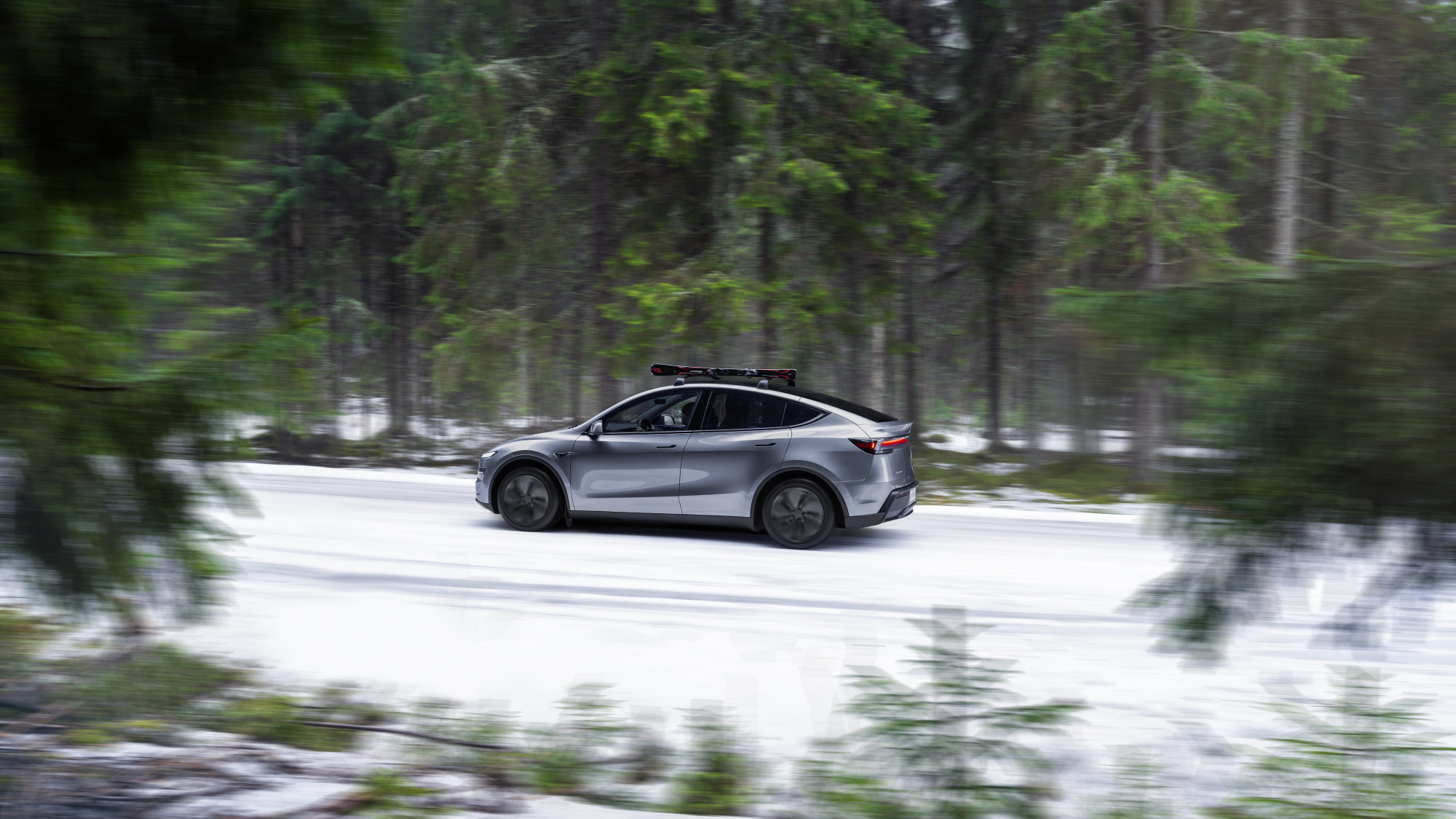
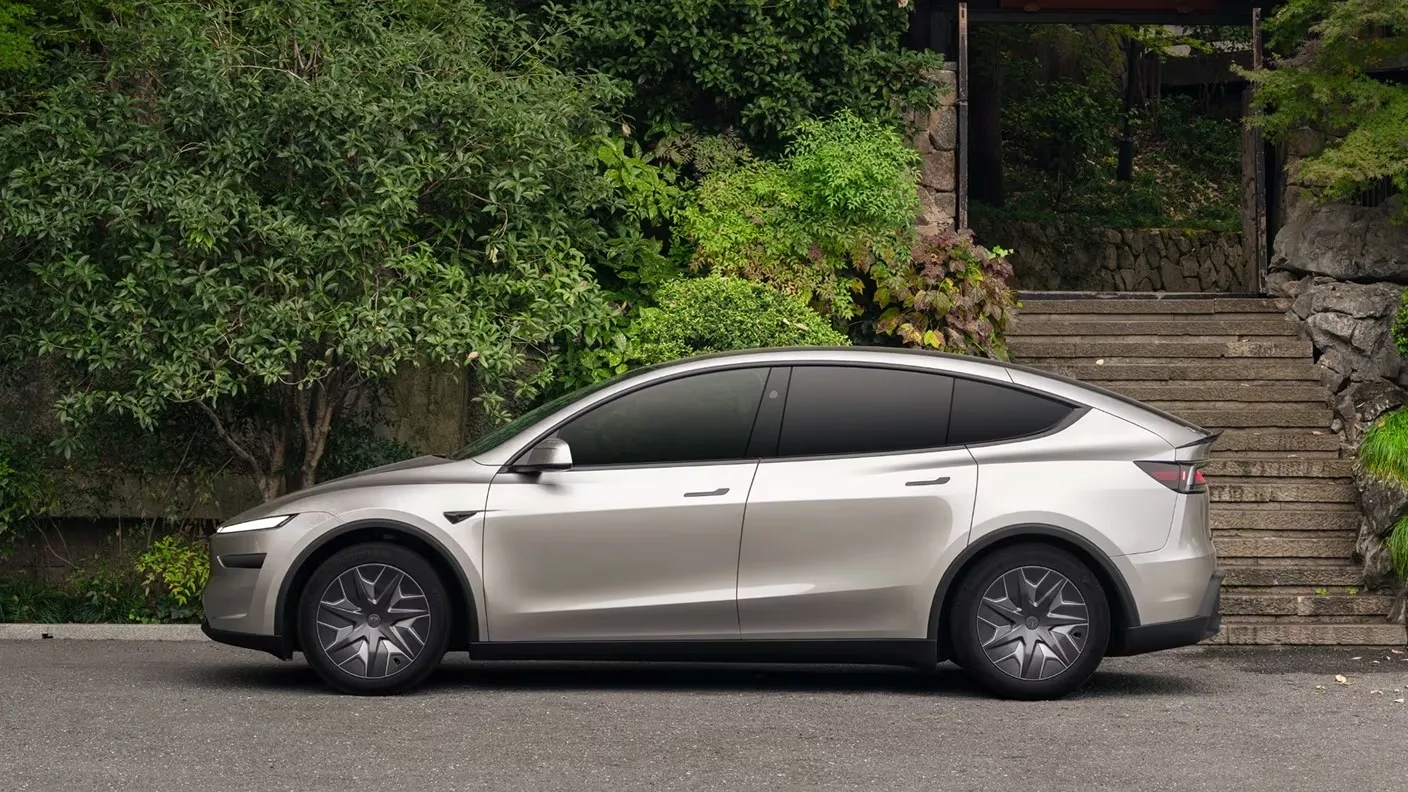
- Tesla is bringing the robotaxi Cybercab to Hong Kong on Sept. 9 and to Beijing and Shanghai Sept. 18 to showcase design and tech without offering sales or near‑term commercial robo‑hailing in China.
- EPA filings list a ~48 kWh lithium‑ion battery, front‑wheel drive, 163 kW peak motor, combined‑cycle range about 418 miles (673 km), height 1,407.2 mm, width 1,792.6 mm, legroom 1,102.4 mm, headroom 972.8 mm.
- Targets robotaxi and low‑cost urban mobility competition with claimed sub-$30,000 ceiling, but execution risks include limited US fleet scale (45 Cybercabs registered in Texas), regulatory approval, software validation, and scaling production.
Tesla’s Cybercab is set to make its first‑ever public appearance in China.
The automaker announced on X that the Cybercab will be showcased in Hong Kong, China on September 9, followed by displays in Beijing and Shanghai respectively on September 18.

This marks the first public showing of the robotaxi‑purpose‑built model in the country.
Tesla also made clear that the events are intended primarily to showcase the Cybercab’s product design and technology roadmap.
They do not involve a launch for sale in China and do not signal plans to begin commercial driverless ride-hailing operations in the country in the near term.
Ahead of its China premiere, the Cybercab has gone live for real‑world operations in the United States on Sept. 3 local US time.
The event differed significantly from Tesla’s usual large-scale product launches.

Attendance was strictly by invitation, security was relatively tight, and there was no livestream, resulting in limited overall exposure.
Designed specifically as a production Robotaxi, the Cybercab eliminates the steering wheel, accelerator and brake pedals, as well as conventional side mirrors, and relies entirely on Tesla’s FSD (Full Self-Driving) system for automated driving.
The vehicle features a two-door, two-seat layout with scissor/butterfly doors. Elon Musk previously said the Cybercab would be priced at no more than $30,000.
Tesla has now disclosed some of the production model’s specifications.
The Cybercab stands 1,407.2 mm tall and 1,792.6 mm wide, with 1,102.4 mm of legroom and 972.8 mm of headroom.
According to US Environmental Protection Agency (EPA) certification documents, the Cybercab is equipped with an approximately 48 kWh lithium-ion battery pack and front-wheel drive.

Its motor produces a peak 163 kW, while its combined-cycle range is about 418 miles (673 km).
For autonomous-driving hardware, the Cybercab uses eight high-definition cameras and relies on an end-to-end neural network for environmental perception and driving decisions.
The vehicle does not use lidar or rely on high-definition maps. Instead, it runs on the same AI 4 computing platform used in the current Model 3 and Model Y.
The Cybercab also adopts a steer-by-wire braking system that Tesla has not previously used in a production vehicle and does not require conventional brake fluid.
On the communications side, Musk said on X on the day of the event that the Cybercab will eventually integrate Starlink V5 directly.

He claimed the system would support 4K video streaming even in areas with poor network conditions or heavy traffic congestion.
The Cybercab also remains at an early stage in the US in terms of fleet size.
Texas state records showed that, as of Wednesday evening, Tesla had 420 autonomous vehicles registered in the state, including 45 Cybercabs.
Discover more from ChinaEVHome
Subscribe to get the latest posts sent to your email.