- Beijing Hyundai’s Chinese general manager resigns after under a year amid shareholder clashes over localization, sales targets and supply‑chain control tied to NEV transition pressures.
- Jan–Sep retail sales show heavy reliance on gasoline models: Elantra 28,782, Tucson 12,936, Custo 10,435, Sonata 6,662, EO EV only 645; shareholders injected RMB 8 billion end‑2024.
- Competitors are domestic NEV brands and joint‑venture peers targeting NEV buyers, with execution risks in governance, decision authority transfer, supplier realignment and scaling NEV volumes.
Beijing Hyundai General Manager Li Fenggang will officially leave the company on November 1, just short of a year after taking the position on November 10, 2025, Chinese media outlet reported.
Sources familiar with the matter said the departure stems from disagreements between Beijing Hyundai’s Chinese and South Korean shareholders over the company’s strategic direction. As the joint venture’s first Chinese general manager, Li found himself at the center of those tensions.

Li graduated from Tsinghua University with a degree in mechanical design, manufacturing and automation. He joined FAW-Volkswagen in 2003, starting in technical development before moving into Audi’s sales operations. He spent 22 years within the FAW group.
In November 2025, Li broke with Beijing Hyundai’s long-standing practice of appointing a South Korean executive to the top post, becoming the joint venture’s first Chinese general manager. His appointment came as traditional joint-venture automakers faced mounting pressure and China’s NEV market expanded rapidly.
Hyundai had introduced its “Intelligent Transformation 2030” plan to tackle intensifying competition and the shift toward new energy vehicles. Bringing in Li was intended to put someone with a deeper understanding of the Chinese market in charge of the company’s localization drive.

But the reforms encountered significant resistance. South Korean executives continued to dominate key positions in the management structure appointed by Hyundai. As a result, Li’s actual control over resource allocation and decision-making fell short of what his title suggested.
The two sides also clashed over major business priorities. Beijing Hyundai sold 94,697 vehicles in the first half of 2026, down 5.3% YoY. Under pressure to improve performance, the Chinese side pushed for more ambitious sales targets and deeper loss reduction. The South Korean side took a more conservative approach to sales targets, prioritizing profit protection.

Cost-cutting efforts exposed another fault line. Beijing Hyundai’s existing gasoline-powered models remain deeply tied to South Korean supply chains. The Chinese side’s aggressive cost-reduction targets therefore conflicted with Hyundai’s desire to protect its established supplier network.
The shareholders did not reach a new consensus until September, when they largely abandoned the sales targets set at the start of the year and agreed on an annual goal of around 160,000 vehicles.
Retail figures for January through September show that Beijing Hyundai remains heavily reliant on conventional gasoline-powered models, even as NEVs accounted for 67% of China’s new-car market.
The Elantra was the company’s main sales driver, with 28,782 retail sales. The Tucson followed with 12,936 deliveries, while the Custo and Sonata recorded 10,435 and 6,662, respectively.

Hyundai’s NEV lineup, by contrast, has yet to gain significant traction. The EO, its first all-electric SUV based on the global E-GMP platform, recorded just 645 deliveries.
Despite the management disagreements, both shareholders have continued investing in Beijing Hyundai’s transformation. At the end of 2024, the Chinese and South Korean shareholders injected a combined RMB 8 billion into the joint venture in proportion to their respective stakes. The funds were earmarked for localized manufacturing and NEV research and development.
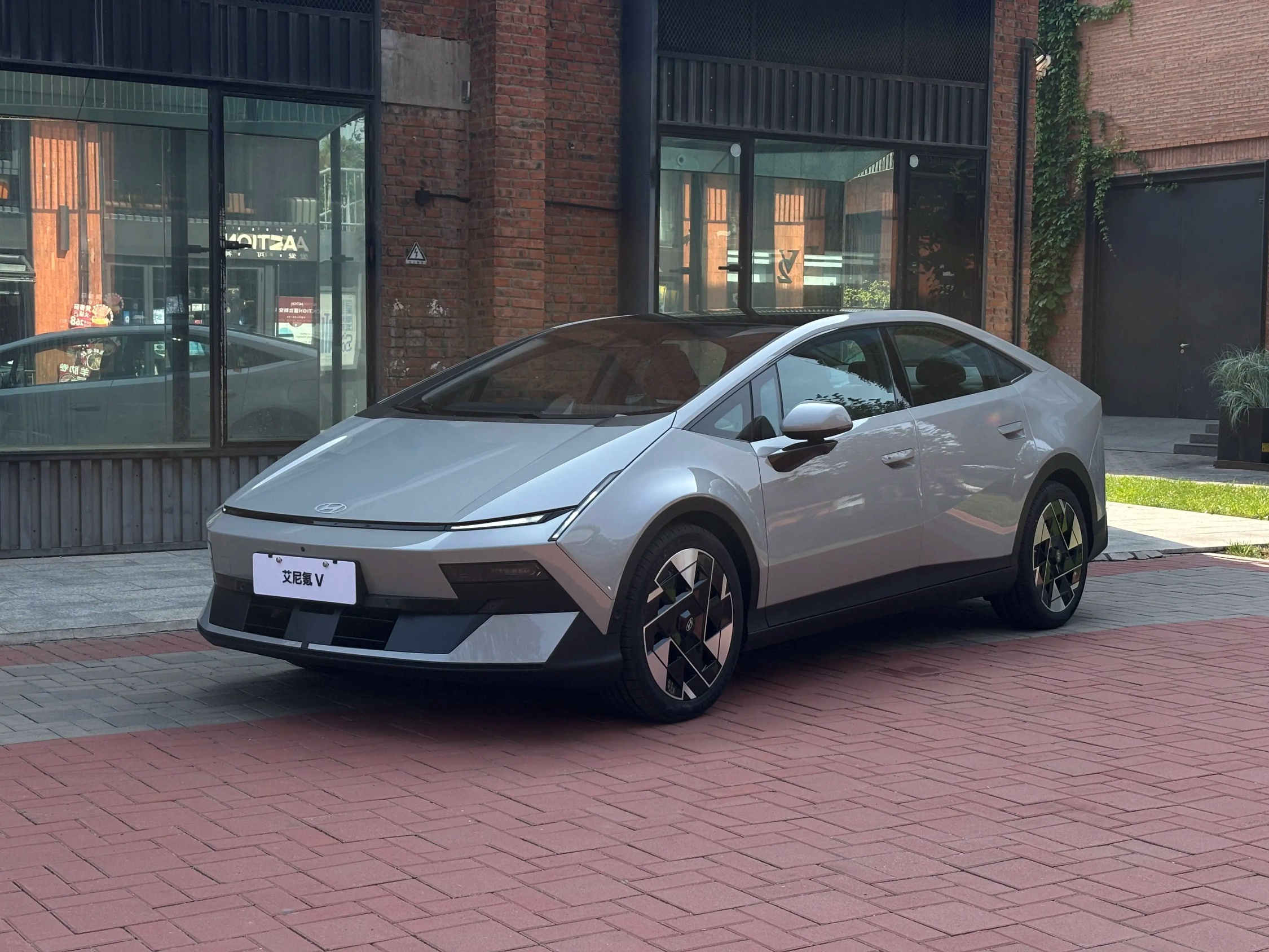
Beijing Hyundai is continuing to expand its NEV lineup. In April, Hyundai Motor introduced its premium all-electric IONIQ brand to China. The first model, the IONIQ V, went on sale in September. It features CATL batteries, driver-assistance technology from Momenta and Qualcomm’s Snapdragon 8295 cockpit chip.

Hyundai said a China-based R&D team of more than 1,500 people led the vehicle’s product definition, feature configuration and design. Beijing Hyundai plans to launch five NEV models between 2026 and 2027.
Products and technology can be localized, but decision-making authority is harder to transfer. Li’s departure has brought Beijing Hyundai’s central governance challenge into sharp focus.
The appointment of his successor and the shareholders’ ability to reach a new consensus on business targets will determine whether the “Intelligent Transformation 2030” plan can stay on track.
Discover more from ChinaEVHome
Subscribe to get the latest posts sent to your email.