- BYD’s October volumes surged to 483,125 passenger vehicles, driven by aggressive overseas expansion and model launches aimed at capturing share from legacy brands and rivals in higher segments.
- BYD reported 305,743 BEVs and 177,382 PHEVs sold in October, 169,564 units exported, year-to-date sales of 3,561,669 and cumulative overseas 1,507,395 units; Fangchengbao ATP exceeded RMB 222K (about $33,360).
- Targeting mainstream to luxury segments with new Fangchengbao Ti9, Denza N8 and Seal 07, BYD faces execution risks around ramping second‑gen Blade battery production, scaling premium distribution and maintaining margins.
BYD sold 483,125 passenger vehicles in October, up 10.6% YoY. Sales for the first 10 months of 2026 totaled 3,561,669 units.
Overseas markets continued to drive growth. BYD sold 169,564 passenger vehicles and pickups overseas in October, up 103% YoY. Cumulative overseas sales from January to October reached 1,507,395 units.

By powertrain, BYD sold 305,743 battery-electric vehicles (BEVs) and 177,382 plug-in hybrid electric vehicles (PHEVs) in October. For the first 10 months, BEV sales totaled 1,935,700 units, while PHEV sales reached 1,625,969 units.
Across BYD’s brand portfolio, the Dynasty series delivered 203,040 units in October, up 13.6% YoY. Deliveries for the first 10 months reached 1,426,355 units.
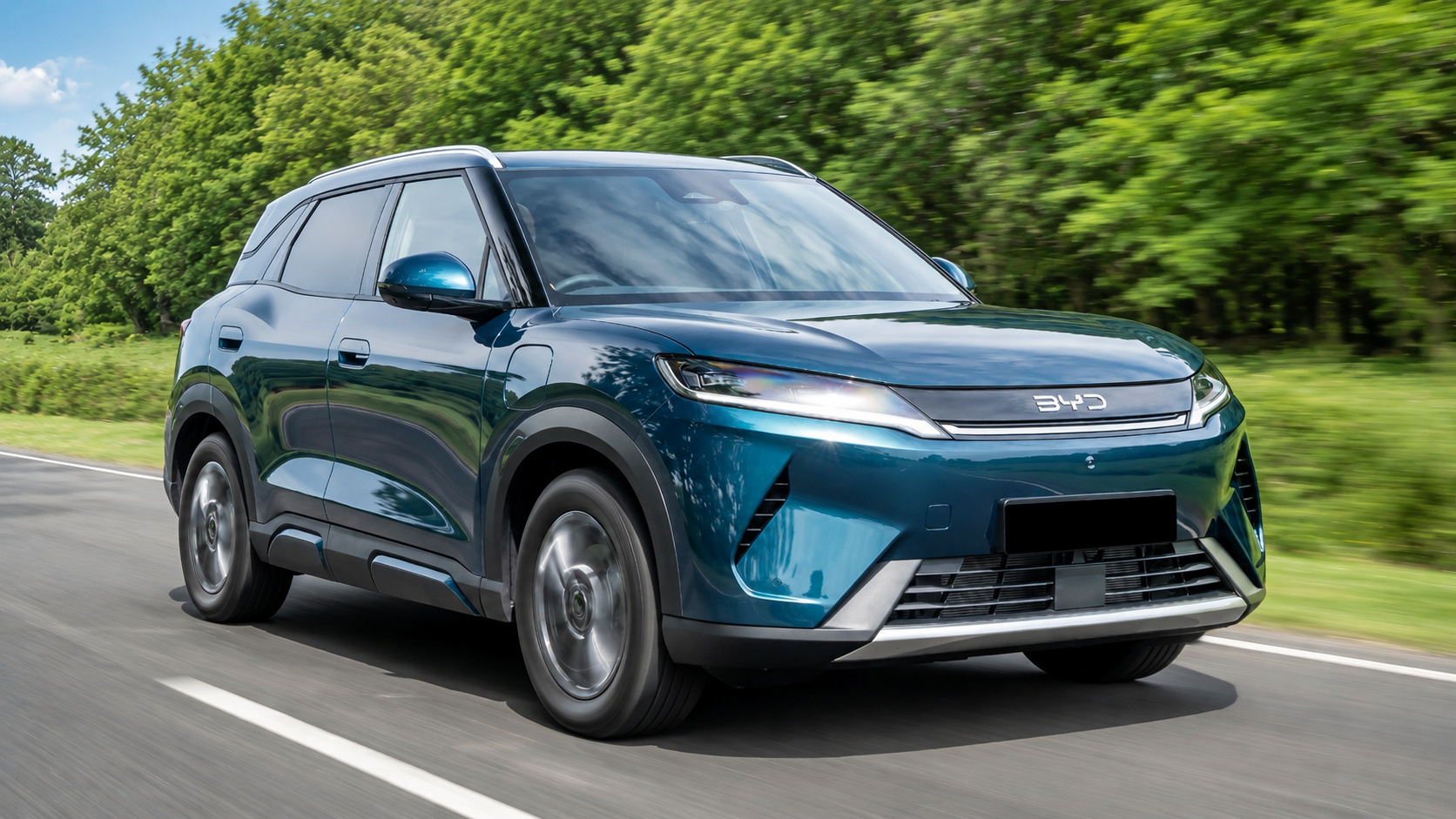
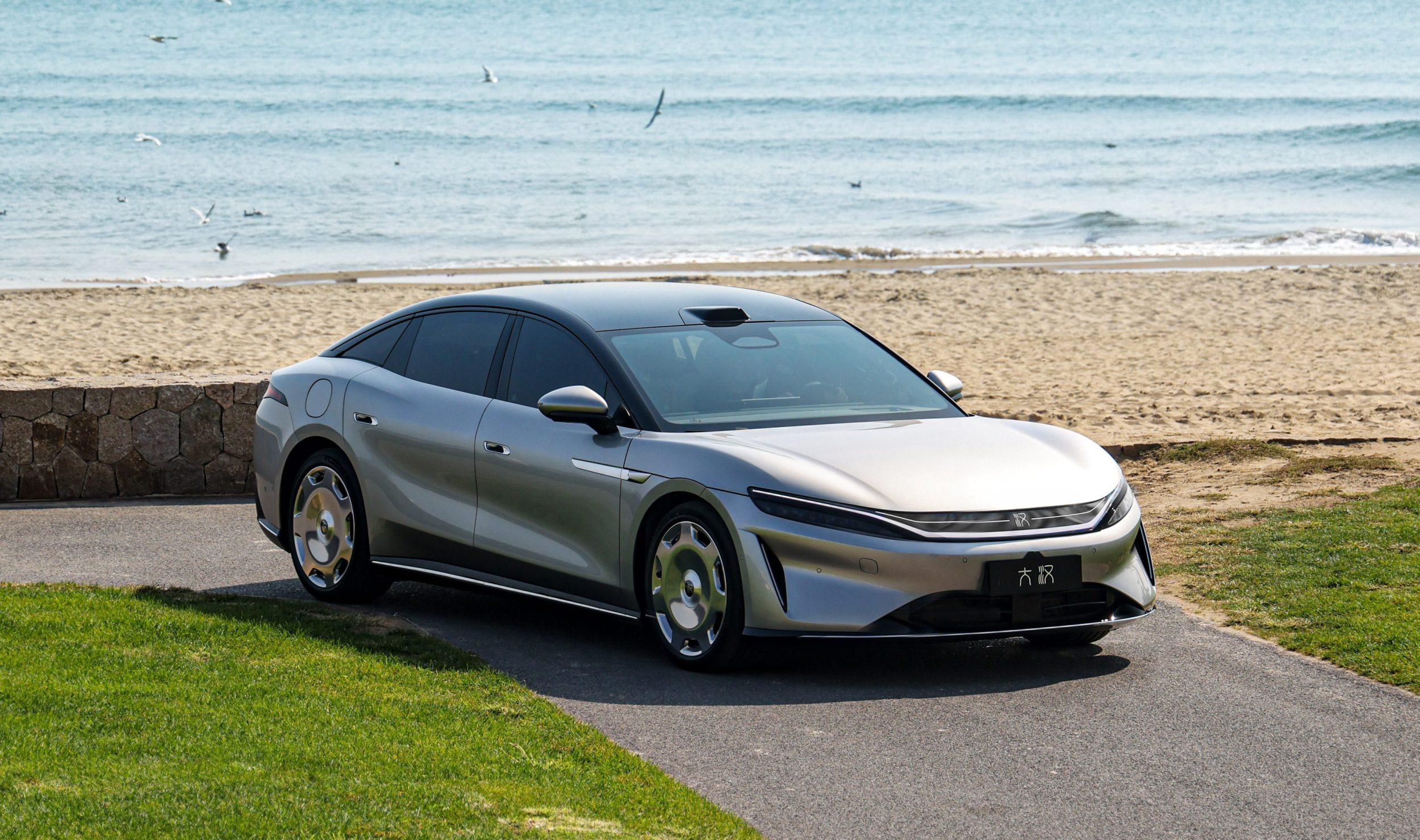
The Yuan family led the lineup with 99,456 units sold, up 103.4% YoY. Song family sales totaled 55,331 units, followed by the Qin family with 24,303 units and the Tang family with 16,664 units. The flagship Dynasty SUV, DaTang, sold 14,000 units. Han family sales reached 6,566 units, including 4,000 DaHan units in its first month on the market. Xia sales totaled 720 units.

The Ocean series delivered 210,909 units in October, bringing its year-to-date total to 1,588,183 units.
The SeaLion series led the lineup with 61,643 units sold, followed by the Dolphin series with 47,296 units and the Seal series with 46,834 units. Seagull sales reached 32,287 units, while Song PLUS and Destroyer 05 recorded 20,624 and 2,225 units, respectively.
Among BYD’s sub-brands, Fangchengbao has become a key contributor to its expansion into the mid- to high-end market. The brand sold 43,872 vehicles in October, bringing its cumulative sales for the first 10 months to 329,308 units. Its average transaction price exceeded RMB 222K ($33.36K).
The Ti7 accounted for 30,274 units. Since its launch in September 2025, cumulative sales of the model have surpassed 300K units. The Ti3 sold 4,016 units, while the Formula S, Bao5 and Bao8 recorded 4,567, 4,013 and 1,002 units, respectively. Cumulative sales of the Bao series have exceeded 200K units since its launch.

A Fangchengbao executive also revealed that the Ti9, the flagship SUV in the Ti series, will launch this month. The new model could help push the brand’s monthly sales above 50K units.
Denza sold 15,152 vehicles in October, bringing its year-to-date total to 135,088 units. The D9 accounted for 5,379 units, followed by the N8L with 5,037 units and the Z9 family with 4,032 units. The N9 delivered 704 units.
Yangwang, BYD’s ultra-luxury brand, sold 258 vehicles in October. The U8 accounted for 153 units, the U7 for 97 and the U9 for eight.

BYD’s sales continue to climb as production capacity for its second-generation Blade Battery ramps up. The automaker plans to launch several additional models this year, including the Fangchengbao Ti9 and Shark, Denza N8 and Seal 07, expanding its presence across mid- to high-end market segments.
Discover more from ChinaEVHome
Subscribe to get the latest posts sent to your email.